Berlin Signals a Window of Opportunity for Europe to Engage Russia in Dialogue

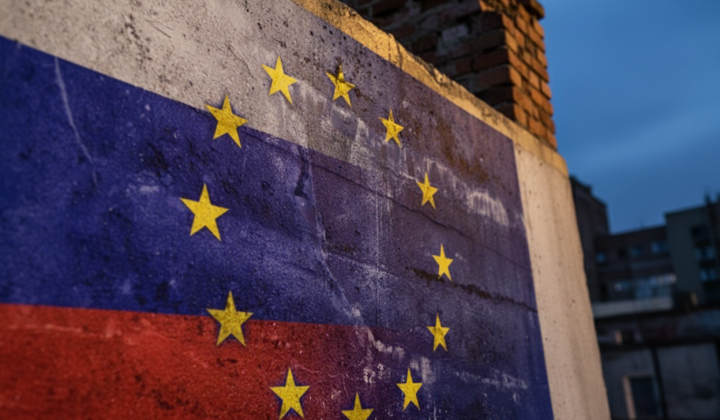
Europe-Russia Talks: A Path Forward?
According to Главком: A German official has suggested that conditions may be ripe for opening dialogue between Europe and Russia concerning the war in Ukraine. According to the official, establishing a reliable and effective negotiation framework that aligns with EU interests is a prerequisite. Berlin believes there is currently a 'window of opportunity' for European nations to initiate contact with Moscow. However, German authorities do not anticipate rapid progress; it could take several months before the situation begins to shift.
Negotiation Mechanics Under Debate
The primary challenge remains designing a concrete mechanism for negotiations. The E3 group-comprising Germany, France, and the United Kingdom-is expected to continue playing a pivotal role in this process. EU member states have yet to agree on a unified stance regarding the appointment of a special envoy for talks with Moscow. Some countries back this idea, especially as the United States takes a less active mediating role, while others oppose it.
Several names have been floated as potential candidates for a European negotiator:
- European Council President António Costa,
- Finnish President Alexander Stubb,
- Former European Central Bank President Mario Draghi,
- Former Finnish President Sauli Niinistö,
- Former European Commission President Jean-Claude Juncker.
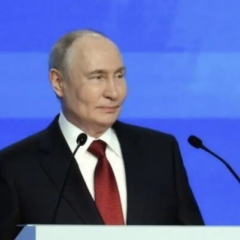
Close allies of Ukraine have voiced concerns that Russian President Vladimir Putin shows no genuine willingness to end the war. At the same time, creating a separate negotiation track could potentially weaken the EU's sanctions pressure on the Kremlin.
These remarks from the German official underscore a growing unease among European countries about the need to restart dialogue with Russia, despite the current obstacles.
Forging a common strategy among EU nations could prove critical for ensuring effective negotiations and preserving unity on foreign policy issues. It is also important to note that any attempts to reestablish contact with Moscow could significantly impact the course of the conflict in Ukraine and the broader political landscape in Europe.
As European nations consider the possibility of engaging in dialogue with Russia, the recent meeting in Cyprus highlights the ongoing discussions regarding direct talks with the Kremlin. This gathering reflects the broader sentiment among EU member states to explore diplomatic avenues, despite the complexities involved in establishing a unified approach. Understanding these developments is crucial as they may shape the future of Europe-Russia relations.

Read also