Poland's Sikorski: Europe's Massive Investment in Ukraine's Defense Warrants a Seat at Peace Talks

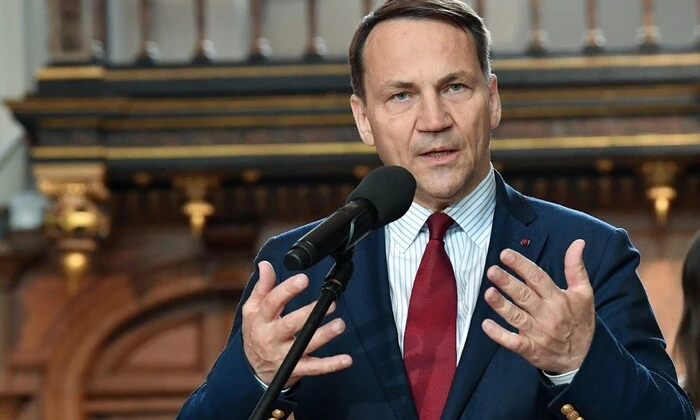
Polish Officials Outline Stance on Ukraine Conflict
According to Главком: Polish Foreign Minister Radosław Sikorski has asserted that Europe has earned the right to be involved in any negotiations to end the war in Ukraine, citing the enormous financial contributions made by European nations. He stated that Europe has already spent over 200 billion euros on Ukraine's defense and has pledged an additional 90 billion euros in further support.
Sikorski noted that the situation demonstrates Europe is paying for Ukraine's defense while the United States profits from this support. He also emphasized that Ukraine is not losing the war and is inflicting massive damage on Russia. These comments reflect Poland's position on participating in future negotiations, as the country actively analyzes the circumstances and possibilities for continuing its support for Ukraine. Poland's stance highlights a growing European desire for strategic autonomy in security matters.
Poland's Position on Trump's 'Peace Council'
In related developments, Polish Prime Minister Donald Tusk stated that Poland does not plan to join the 'Trump Peace Council'. He explained there are organizational doubts about the council's format and noted that its goals are primarily linked to the reconstruction of Gaza. Tusk stressed that Poland will remain open to analyzing the situation but currently has no intention of participating in this initiative.
The statements from Polish officials underscore Europe's increasing role in resolving the Ukraine conflict, particularly against the backdrop of the significant financial investments made by European countries. This indicates that Poland and other regional states aim to participate more actively in diplomatic processes that could lead to a peaceful settlement. Simultaneously, Poland's refusal to join the Trump Peace Council points to potential divergences in approaches to the peace process between European nations and the United States, which could influence future negotiations.

Read also