Analyst Argues Europe's Independent Nuclear Deterrent Makes U.S. Protection Demands Unnecessary

Europe's Nuclear Deterrent Capability
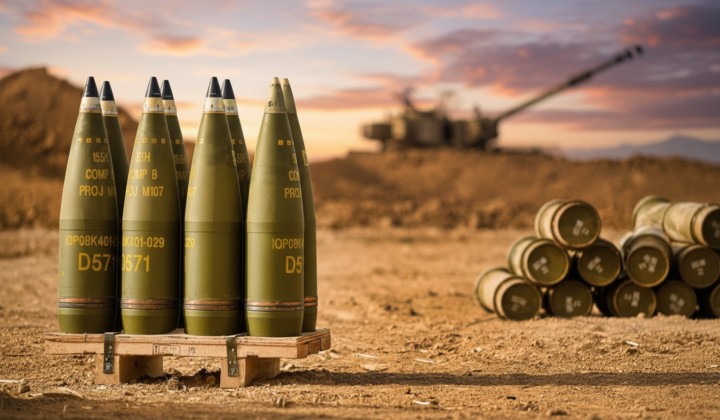
According to ХВИЛЯ: George Friedman, founder of Geopolitical Futures, has asserted that Europe already possesses its own credible nuclear deterrent and has the capacity to expand it. He stated that European nations' demands for American protection are, in fact, insulting to the United States. Friedman highlighted the significant nuclear arsenals of both the United Kingdom-developed jointly with the U.S. and deployed on its soil-and France, whose weapons are submarine-based, as clear evidence of Europe's ability to ensure its own security. This perspective emerges amid ongoing debates about burden-sharing within the NATO alliance.
Russian Military Strain and European Strategic Autonomy
Friedman also pointed to the degraded state of the Russian military after four years of war in Ukraine. He argued that if Russia had substantial additional forces available, it would have deployed them by now. The current Russian army is reportedly conscripting 50-year-old men and recruiting mercenaries from Africa, indicating severe strain and personnel shortages. This assessment of Russian weakness is a key factor in discussions about European defense self-reliance.
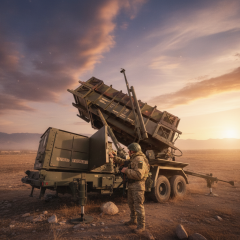
Furthermore, the German Bundestag has proposed the concept of a joint European nuclear umbrella, underscoring a growing push for greater strategic autonomy on the continent. These security issues are gaining urgency against the backdrop of heightened regional tensions.
George Friedman's comments reflect significant evolving trends in European security policy, particularly in the context of military conflicts and perceived threats from Russia. George Friedman
The idea of a shared European nuclear shield signals a desire among EU nations to bolster their own defensive capabilities and reduce reliance on the United States. Such a shift could potentially alter the continent's balance of power, as European countries seek greater independence in security matters during a period of global instability.

Read also