In 2026, Caribbean Beaches Brace for Unprecedented Sargassum Accumulation

Environmental Challenges and Opportunities Presented by Sargassum
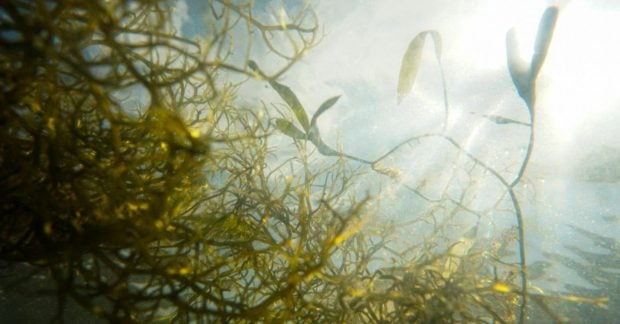
According to УНІАН — Туризм: Starting in 2011, South Florida and Caribbean coastlines have seen recurring vast piles of brown algae known as sargassum. This natural event began when strong winds transported part of the Sargasso Sea's algae into the tropical Atlantic, creating a new concentration zone called the Great Atlantic Sargassum Belt. By 2025, the biomass of this belt had exceeded 37.5 million tons, and forecasts indicate that the summer of 2026 could set a new record for sargassum mass. These massive seaweed surges have become a persistent seasonal crisis for Caribbean nations, harming tourism and coastal ecosystems.
Sargassum damages ports, fisheries, and ecosystems. As it decomposes, it releases hydrogen sulfide, ammonia, and methane, which can harm the environment. However, research indicates that the algae have entered a self-sustaining cycle, potentially altering future distribution. A mathematical model developed by researchers successfully reproduced all major sargassum outbreaks from 2011 to 2022 and predicted the blooms in 2023 and 2024.
Industrial Applications for Sargassum
Beyond environmental concerns, sargassum is being explored as a feedstock for biofuels, fertilizers, and construction materials. For instance, the National Autonomous University of Mexico has developed technology to produce building panels from sargassum. Mexican entrepreneur Omar Vázquez Sánchez created bricks containing about 40% of the algae. Additionally, researchers at a university in Barbados devised a method to produce biofuel from sargassum and rum industry wastewater.
Amid the rising biomass of sargassum, humanity faces both new challenges and opportunities. On one hand, it creates serious environmental and economic problems; on the other, it opens fresh prospects for industrial use of the algae. Importantly, on July 30, 2026, humanity reached Earth Overshoot Day, underscoring the need for greater attention to the environmental challenges we face.
The increasing volume of sargassum in the Atlantic signals global shifts in ecosystems, particularly the impact of climate conditions on the marine environment. This highlights the importance of studying and monitoring algae, as their growth could have far-reaching consequences for marine species and coastal economies. At the same time, innovative approaches to using sargassum could be a key step toward sustainable development and reducing the planet's ecological burden.

Read also