The Soviet Roots of the 'European Security Architecture' Concept and Its Role in U.S. Military Presence in Europe, Says Historian

The Origins of the Term 'European Security Architecture'
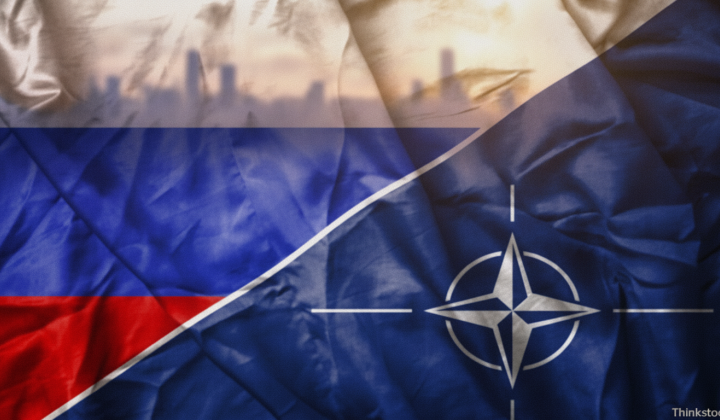
According to ХВИЛЯ: The phrase 'European security architecture' was originally coined by the Soviet Union with the strategic aim of pressuring the United States to withdraw its troops from Europe. First introduced by Vyacheslav Molotov in 1954, the term was later adopted by Andrei Gromyko in 1969. More recently, Russian President Vladimir Putin referenced this concept in his 2021 ultimatum, illustrating its continued geopolitical significance.
Modern Perspectives on the Term’s Use
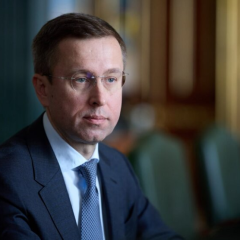
Polish historian Sławomir Dębski, former head of the Polish Institute of International Affairs, highlights that
“the term is deeply tied to the Soviet agenda and Russia’s longstanding aspiration to force American forces out of Europe.” – Sławomir Dębski
Dębski emphasizes that American diplomats prefer to use the phrase 'security of Europe' to clearly differentiate their approach, which includes active U.S. involvement in maintaining European stability.
He also points out that Russia’s recent revival of the 'European security architecture' rhetoric aligns with efforts by the Trump administration to persuade Putin to re-engage in negotiations aimed at resolving the Russia-Ukraine conflict. Trump’s special envoy, Steve Witkoff, proposed expanding talks beyond Ukraine to cover the entire European security framework, including the presence of U.S. military bases in Poland and American troops stationed across Europe.
This background sheds light on the critical role historical narratives play in shaping current international relations. Russia’s renewed emphasis on the term signals its intent to regain influence in Europe, while the U.S. remains committed to sustaining its military footprint on the continent. How this debate unfolds could significantly impact future diplomatic initiatives and the security landscape of the region.
As the geopolitical landscape evolves, the implications of Trump's adjustments to sanctions against Russia and military aid to Ukraine become increasingly significant. Understanding these shifts can provide deeper insights into the ongoing debates surrounding U.S. military presence in Europe and Russia's strategic maneuvers in the region.

Read also