Putin Tightens Security Amid Fear of Coup and General Assassinations, European Intel Reports

Putin’s Security Beefed Up
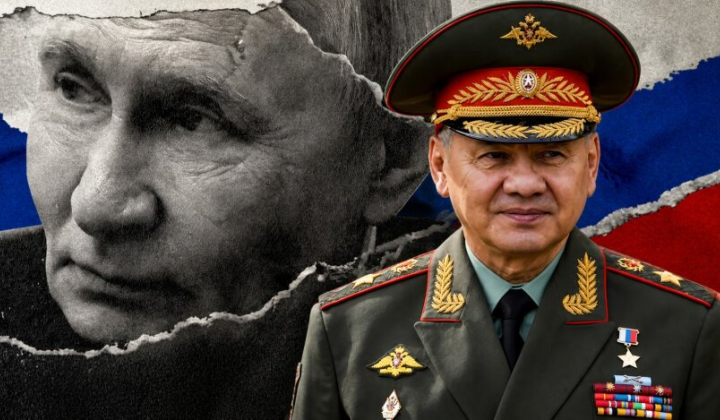
According to ХВИЛЯ: European intelligence agencies have detected a significant increase in security measures surrounding Vladimir Putin, following a string of high-profile killings of Russian military officials and growing concerns about a potential coup attempt. According to a document obtained by CNN, every possible step is being taken to mitigate threats, a claim confirmed by Kremlin spokesman Dmitry Peskov. The report details new restrictions on staff, a reduction in the number of locations Putin visits, and identifies former Defense Minister Sergei Shoigu-who was removed from his post-as a figure linked to coup risk.
Putin’s personal security detail has been expanded, and surveillance systems have been installed in the homes of close associates. Cooks, guards, and photographers working with the president are now banned from using public transportation, while visitors undergo two separate security checks. Inner-circle employees are only allowed to use phones without internet access. Fearing drone attacks, Putin has also cut back on the places he regularly visits. This year, he has not set foot on a single military installation, even though he visited them frequently as recently as 2025.
Shoigu’s Influence and Arrests
The Kremlin is attempting to mask Putin’s absence by releasing pre-recorded footage. Since the start of the full-scale invasion in 2022, the president has spent much of his time in bunkers, most often in the Krasnodar region near the Black Sea. The report also notes that Sergei Shoigu, who now heads the Security Council, continues to wield considerable influence over the top military brass. Shoigu is mentioned in the document as being associated with the risk of a coup.
The arrest of Ruslan Tsalikov, a former deputy and close ally of Shoigu, took place on March 5. This arrest is described as a breach of the unwritten agreements that protect elites from prosecution. Russia’s Investigative Committee stated that Tsalikov was detained on charges of embezzlement, money laundering, and bribery. The killing of Lieutenant General Fanil Sarvarov occurred on December 22, 2025, and is believed to have been carried out by Ukrainian agents.
Three days after Sarvarov’s murder, Putin summoned key figures from the security apparatus. Chief of the General Staff Valery Gerasimov criticized FSB head Alexander Bortnikov, who in turn complained about a lack of resources and personnel. Putin gave the participants one week to come up with solutions. The Federal Protective Service (FSO) has now been granted expanded authority, covering not only Gerasimov but also ten other high-ranking commanders.
Additionally, Moscow has scaled back the May 9, 2026, parade on Red Square-the fifth such event since the full-scale invasion began. This year’s parade will feature no heavy weaponry, armored vehicles, or missiles. Putin survived a coup attempt in June 2023, when Wagner chief Yevgeny Prigozhin tried to seize power. Western estimates currently put Russia’s losses in Ukraine at around 30,000 killed and wounded each month.
This situation underscores the growing internal threats to Russia’s leadership, which in turn could influence the Kremlin’s military strategy and policy. The tightening of Putin’s security reveals his anxiety about the stability of his own regime, while the arrests and assassinations of senior military officers signal deep fractures within the system. Given the ongoing conflict in Ukraine and mounting casualties, these developments could have serious implications for Russia’s future and its military operations.
As concerns over potential threats to his leadership intensify, Putin has increasingly retreated into bunkers, highlighting a dramatic shift in his public engagements and security protocols. This trend not only reflects the heightened state of alert within the Kremlin but also underscores the broader implications for Russia's political stability amidst these growing fears.

Read also