Ukraine's F-16s Were Left Defenseless: A Critical Missile Shortage Grounded Interception Capabilities

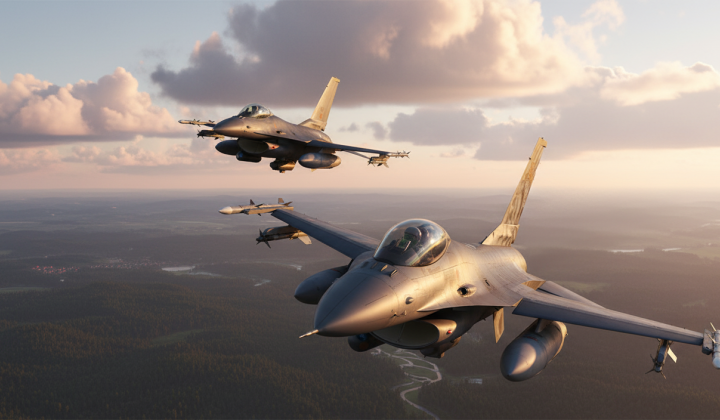
Ukrainian F-16s Face Critical Missile Shortage
According to ХВИЛЯ: For over three weeks in late 2024, Ukraine's fleet of F-16 fighter jets was rendered incapable of intercepting Russian targets due to a severe shortage of air-to-air missiles. This critical gap, which lasted from late November to mid-December 2024, left Ukrainian pilots without the munitions needed to shoot down incoming Russian missiles and drones. As one Reuters source starkly put it,
"there was nothing to hang on the aircraft,"
highlighting the gravity of the situation. This episode underscores the immense logistical challenges of sustaining a modern air force during a high-intensity war.
Widespread Supply Chain Failures
The F-16 squadron was left with only a minimal stock of AIM-9 Sidewinder missiles, specifically Lima and Mike variants, some of which were manufactured as far back as the 1970s and 1980s. Notably, this information about the supply failure had not been previously disclosed, raising questions about the readiness and resourcing of Ukraine's military forces.
The shortage was not confined to the AIM-9. A lack of AIM-120 missiles also forced a partial shutdown of Norwegian-supplied NASAMS air defense systems. Furthermore, a deficit emerged for RIM-7 missiles, which had been integrated into Soviet-era air defense systems since 2022. Since the summer of 2024, the PURL (Purchase for Ukraine) mechanism had delivered approximately 75% of missiles for Patriot systems and 90% of ammunition for other air defense platforms.
The situation began to improve in December 2024 when the supply gap was addressed. Germany and Canada have supplied Sidewinder missiles in recent months, with Canada's Department of National Defence confirming the transfer of AIM-9M-8 missiles. Additionally, Norway's Ministry of Defence provided a significant number of interceptors for the NASAMS systems this winter, which is expected to significantly enhance their operational capacity.
Therefore, despite the severe logistical difficulties encountered in late 2024, Ukraine's international partners took measures to alleviate the missile shortage and bolster the country's defensive capabilities.
Restoring a steady flow of missiles is critically important for maintaining the effectiveness of Ukraine's air defense network against ongoing Russian aerial assaults. The arrival of modern munitions will enable Ukrainian forces to more actively counter airborne threats and sustain their defensive posture. The continued support from allied nations remains a vital component of Ukraine's ability to defend its sovereignty and territorial integrity.

Read also