F1's 2026 Revolution: How Sweeping New Regulations Will Reshape the Championship

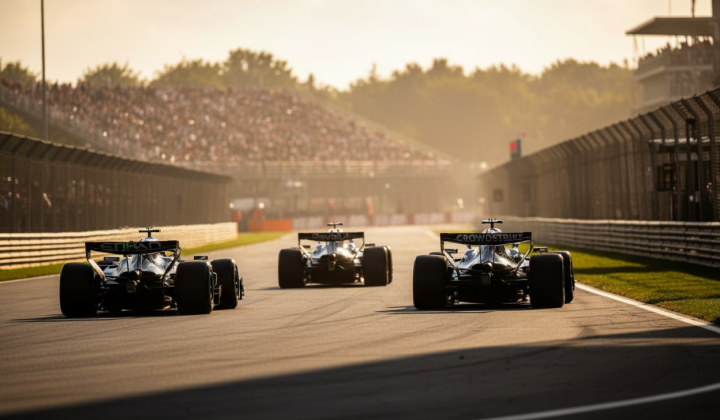
The 2026 Formula 1 Season
According to Главком: The 2026 Formula 1 world championship will commence with the Australian Grand Prix in Melbourne on March 8, 2026, at 06:00 Kyiv time. This season marks the most significant overhaul of the technical regulations in over a decade. The new ruleset introduces major changes to power units, aerodynamics, car dimensions, and overtaking systems. This represents a pivotal shift for the sport, moving it towards a more sustainable and technologically advanced future. The 2026 grid will feature only one rookie driver-18-year-old Arvid Lindblad, who will start his career with Racing Bulls. A record 24 Grands Prix are scheduled for the season.
Technical Overhaul
A cornerstone of the changes is the new power unit, which will deliver up to 400 kW (544 hp). The electrical component will now provide nearly half of the car's total power, with its output increased to 350 kW. The energy recovery systems have been simplified, with cars now equipped solely with the MGU-K unit. As part of the redesign, the cars will be narrower at 1900 mm and have a reduced minimum weight of 768 kg. The tires are also narrower, with fronts reduced by 25 mm and rears by 30 mm. A new 'Overtake Mode' has been introduced, and both front and rear wings will feature movable elements.
The new regulations present opportunities for teams to find competitive advantages. The Mercedes team, which has won seven drivers' titles and eight constructors' championships since 2014, has reportedly identified a 'grey area' in the rules concerning engine compression levels. This interpretation could yield a performance gain of 0.3 to 0.4 seconds per lap. Alongside these technological shifts, Formula 1 has set ambitious environmental targets, aiming for net-zero carbon emissions by 2030 with the help of a new synthetic fuel.
Commenting on the sweeping changes, reigning world champion Max Verstappen remarked: 'It's Formula E on steroids.'
This highlights the substantial transition towards new technologies and strategies in motorsport, which is becoming increasingly eco-conscious and technically sophisticated. The 2026 season promises to be filled with intriguing races and fresh challenges for teams and drivers alike.
The regulatory changes in Formula 1 mirror a global trend towards adopting greener technologies in sports. The introduction of new power units and lighter cars aims not only to enhance the on-track spectacle but also to reduce the sport's environmental footprint. Preparations for the 2026 season involve the active integration of innovations that could fundamentally alter team race strategies, making this upcoming chapter particularly fascinating for fans and experts.

Read also