Palantir CEO Highlights AI Legal Risks and Potential Lawsuits Against Model Developers

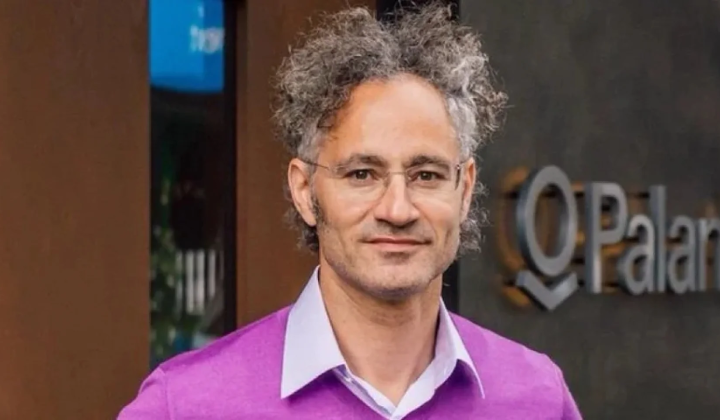
Alex Karp Raises Concerns Over AI-Related Legal Threats
According to НВ — Техно: On September 18, Palantir’s CEO, Alex Karp, voiced serious concerns about the legal challenges that could confront developers of advanced artificial intelligence models. He warned that companies like Anthropic and OpenAI might face lawsuits stemming from risks tied to AI technology and the handling of client data. Karp also suggested that these firms may seek government protection from liability, potentially accepting partial nationalization as a trade-off.
Karp emphasized that litigation risks largely revolve around the use of vast datasets, which may contain sensitive or confidential information. He highlighted ongoing disputes involving OpenAI, particularly accusations that the model Codex incorporated mathematical works without explicit consent. While OpenAI denies direct use of these materials, it has not ruled out indirect influence.
Accountability and Challenges in the AI Industry
Alex Karp remarked, 'The conversation about regulating AI developers essentially boils down to accountability for possible damages.'
He further proposed that one possible solution might involve the government acquiring around a 50% stake in these companies in exchange for shielding them from unlimited liability. Karp believes that government participation-either as shareholders or board members-could significantly affect company valuations.
Additionally, he stressed that AI firms must bear full responsibility for the risks their technologies pose. Karp warned that investors may be underestimating these risks, and cautioned that transferring liability to the government could have serious repercussions for the businesses themselves.
Recent developments include OpenAI postponing its planned initial public offering (IPO), now not expected to go public until 2026. Although Anthropic and OpenAI had earlier announced intentions to list on stock exchanges, current uncertainties could delay or alter these plans.
Karp’s statements reflect growing unease within the tech sector about the regulatory landscape and the broader implications of AI innovation. The controversy around OpenAI and possible legal actions could prompt industry players to rethink their risk management strategies. These dynamics are likely to influence investment trends and the long-term public market prospects for AI companies.
As the debate around AI accountability intensifies, recent events highlight the growing concerns within the industry. A notable incident involves a researcher from Anthropic leaving the company due to worries about losing control over self-improving AI systems. This situation underscores the complexities and potential risks associated with advanced AI development, echoing Karp's warnings about legal liabilities. For more insights on these pressing issues, read about the challenges faced by AI researchers.

Read also