Neanderthal genes still influence human growth and stature

Heritage from Primitive Humans
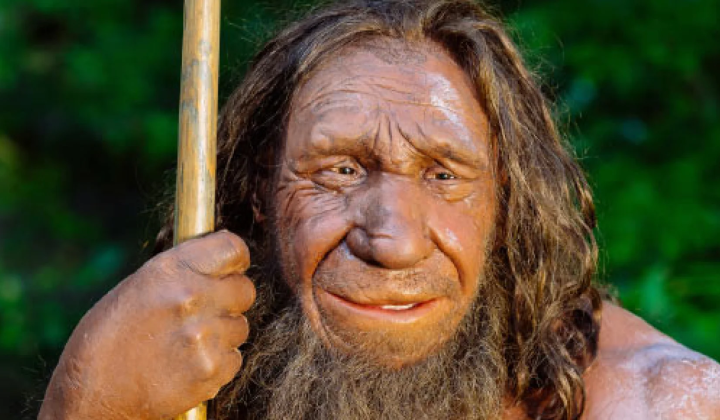
According to НВ — Техно: Scientists have discovered a variant of a Neanderthal gene that affects the growth and structure of the skeleton in modern humans.
August 10, 3:30 PM
Research from the Max Planck Institute for Evolutionary Anthropology, published in the journal Current Biology, revealed that a variant of the growth hormone receptor gene inherited from Neanderthals influences the growth and structure of the skeleton in modern humans. This variant reacts more actively to growth hormone and is associated with a taller and heavier body due to muscle mass, as well as specific features of jaw and tooth structure. The variant is most commonly found among residents of Southeast and East Asia, where it is detected in about one-fifth of the population.
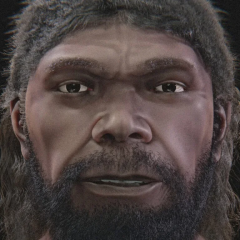
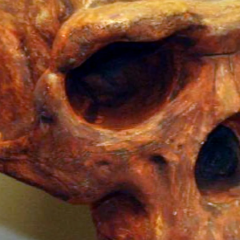
Neanderthals, who inhabited Europe and Western Asia, disappeared approximately 42,000 years ago. Archaic humans appeared in the paleontological record about 300,000 to 400,000 years ago. Modern humans of non-African ancestry carry about 2% Neanderthal DNA, resulting from interbreeding with the ancestors of modern non-African populations before the extinction of Neanderthals.
Research and Results
A research group led by Dr. Philipp Kanis and Dr. Hugo Zeberg analyzed medical and genetic data from over 1,000,000 individuals from several international biobanks. Scientists discovered a unique variant of the growth hormone receptor that has two amino acid changes. Laboratory tests showed that cells with the Neanderthal version of the receptor reacted more actively to growth hormone and multiplied faster.
Adult carriers of the Neanderthal gene variant were found to be slightly taller and heavier than others, with the additional mass comprising muscle rather than fat. At the same time, carriers of the variant exhibited:
- shorter lower jaw branch;
- increased tendency towards misaligned bites;
- shorter tooth roots.
These differences manifest during puberty. In Africa south of the Sahara, this gene variant is virtually absent, highlighting its geographical specificity.
Thus, the research emphasizes the importance of Neanderthal heritage in the genetic makeup of modern humans and its influence on the physical characteristics of populations.
This discovery offers new insights into understanding the evolutionary connections between modern humans and their ancestors.
The research raises questions about the role of Neanderthal heritage in shaping the physical characteristics of different populations, which may have implications for medicine and genetics. Studying such genetic variants may help improve the treatment of certain diseases related to hormonal dysfunctions and enhance the understanding of the development of human traits throughout history.

Read also