Understanding Tension Headaches: Causes, Symptoms, and Safe Relief Strategies

What Causes Tension Headaches and How to Recognize Them
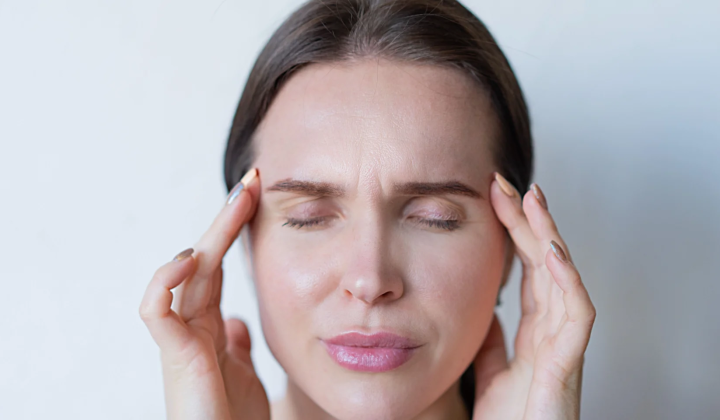
According to НВ — Техно: Tension headaches are the most common form of headache, often triggered by accumulated stress, physical strain, lack of sleep, and similar factors. Unlike migraines, tension headaches can last anywhere from 30 minutes up to a week. Relief methods typically include over-the-counter painkillers, massage, and relaxation techniques, but it’s important to avoid overusing medications. Severe or persistent symptoms warrant immediate medical attention.
A 2026 survey by the American Psychological Association found that 72% of adults consider stress a regular part of their lives. Additionally, research indicates that 60% of respondents experience disrupted sleep due to stress. Often referred to as muscle or stress headaches, tension headaches are identified by Harvard Medical School as the most prevalent headache type.
Recognizing Symptoms and Preventive Measures
Recent findings from the Mayo Clinic reveal that individuals prone to tension headaches have a heightened sensitivity to pain. Stress can lead to physical responses such as:
- tightness in the neck, shoulder, scalp, facial, and jaw muscles;
- teeth clenching;
- disturbed sleep patterns;
- skipping meals.
Tension headaches are more common among adults and older teenagers, particularly women, and often run in families.
Common symptoms include a pressing sensation around the forehead, temples, sides, or back of the head. The pain is usually mild to moderate, felt on both sides, and described as dull and steady without pulsating. Unlike migraines, tension headaches do not involve aura, nausea, or vomiting. Daily activities generally don’t worsen the pain. According to the Cleveland Clinic, attacks typically last 4-6 hours but can extend from half an hour to a week.
Tracking headache episodes in a diary can help identify triggers. Over-the-counter analgesics like aspirin, ibuprofen, or acetaminophen offer relief, but frequent use (more than 2-3 days per week) risks rebound headaches. If headaches become more frequent, change in character, or interfere with daily life, consulting a healthcare provider is advised.
Seek urgent medical care if you experience:
- a sudden, intense headache;
- high fever;
- neck stiffness;
- confusion;
- seizures;
- double vision;
- weakness, numbness, or speech difficulties, especially following head trauma.
Preventing tension headaches involves managing known triggers, ensuring sufficient rest after sleep loss, spending time outdoors, and practicing relaxation exercises like meditation, tai chi, and yoga. Techniques such as biofeedback and cognitive-behavioral therapy may reduce headache frequency.
Regular breaks during computer work, neck and shoulder stretches, and maintaining good posture are helpful habits. Staying physically active, eating well, hydrating adequately, getting quality sleep, and nurturing supportive relationships can significantly lower stress levels and reduce tension headache occurrences.
As one of the most widespread types of headaches, tension headaches highlight the critical role of stress management in today’s fast-paced world. Given that a majority of adults face this condition, adopting effective prevention and treatment strategies is essential. Identifying triggers and incorporating recommended relaxation methods can greatly improve the quality of life for those affected.

Read also