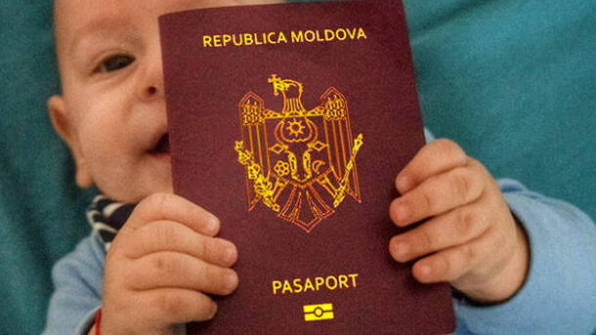
German Citizenship: How to Obtain, Conditions, Birth, for Ukrainians

Today, Germany remains the most popular among Ukrainians. Therefore, German citizenship remains relevant and highly desired. However, obtaining it is not as easy as one would like.
To obtain German citizenship for Ukrainians, it is worth starting from another legal status. Preparing all documents from the side of refugee status is also not simple. In general, obtaining German citizenship is quite a complex process and has always been so: not every foreigner can obtain German citizenship. Significant reasons are required for this. On the other hand, obtaining German citizenship by birth is already much more accessible and simpler, as is obtaining it by marriage.
Main Ways to Obtain Citizenship

German citizenship grants full status as a citizen of the Federal Republic of Germany and opens rights that differ from those of a foreigner with a residence permit. First of all, this is the possibility to live, work, and study in Germany without restrictions, regardless of the validity period of the residence permit. A citizen can participate in federal, state, and other elections if the established legal conditions are met for a specific type of voting. The German passport also confirms the right to free movement within the European Union. At the same time, EU citizenship is associated with the ability to live, work, and study in other EU states under conditions provided for by European legislation.
Citizenship also has practical significance for the family, as children and the husband or wife in some cases can be naturalized together with the applicant under special rules. German legislation allows retaining previous citizenship under German law if the law of another state does not impose its own restrictions. For Ukrainians, this is particularly important since the issue of dual citizenship needs to be assessed not only according to German but also Ukrainian rules. At the same time, obtaining a passport is not an automatic result of long-term residence. It is necessary to meet a complex of requirements regarding the duration of residence, language, integration, legal status, and financial support. In 2026, the general rule requires at least five years of legal residence for naturalization if other conditions are met.
German citizenship can be acquired based on various legal grounds, and a separate procedure applies to each of them. The most well-known option for foreigners is naturalization after long-term legal residence in the country. This path is most commonly considered by adult Ukrainians who have moved to Germany and plan to stay there long-term.
Another important basis is acquiring citizenship by descent, where one of the parents is already a German citizen. In such a situation, what matters is not the place of birth, but the citizenship status of the parents. Special rules apply for children born in Germany to foreign parents. Under certain conditions, they may obtain German citizenship at birth. There are also special provisions for adopted children, descendants of German citizens, and certain categories of individuals for whom the state provides for simplified acquisition of citizenship.
For spouses of German citizens, marriage itself does not mean automatic issuance of a passport. However, family status can affect the conditions for naturalization and allow the application of special rules. Therefore, before submitting an application, it is important to establish a specific legal basis, as document and timing requirements may vary. For most Ukrainians without German ancestry, the main practical route remains naturalization after the necessary period of legal residence.
German Citizenship by Birth: Who Has the Right
In Germany, the main principle of acquiring citizenship is the right of blood, that is, descent from a German citizen. If at the time of a child's birth at least one of the parents holds German citizenship, the child typically acquires German citizenship regardless of where they were born. This means that being born in Germany does not automatically make a child a citizen of the country.
At the same time, the law provides for an important exception for children of foreigners born on the territory of Germany. According to current rules, a child can obtain citizenship at birth if at least one of the parents has legally and ordinarily resided in Germany for at least five years and had permanent residence at the time of the child's birth. Such documents may include, among others, a permanent residence permit or a right to permanent residence in the EU.
Thus, for a Ukrainian family, not just the fact of being in the country is important, but the specific status and duration of legal residence of one of the parents. If the conditions are met, the child can acquire German citizenship along with the citizenship of the parents according to the rules of dual citizenship. To confirm the basis, parents need to have documents that verify birth, identity, and residence status.
Particular issues may arise if paternity is established later, one of the parents lacks documents, or the child was born outside of Germany. Therefore, in complex family situations, it is better to check the issue with the competent citizenship authority. For Ukrainians who have children in Germany, it is important not to confuse the child's right to residence with the automatic right to citizenship. Only the presence of a legally established basis determines whether citizenship arises at birth.
Naturalization: Conditions and Duration of Residence
Naturalization is the main way for a foreigner who does not have a right to citizenship by birth to obtain German citizenship. As of 2026, the general minimum period of legal residence is five years. Previously, after the 2024 reform, there was an opportunity for a shortened period of up to three years for special integration achievements, but this possibility was canceled on October 30, 2025. Therefore, in 2026, it is no longer possible to rely on three-year naturalization.
Five years is the basic requirement, but this period alone does not guarantee a positive decision. The applicant must have the appropriate residence status, which may lead to permanent residence rights. For example, an ordinary residence permit that does not provide for the prospect of permanent residence may be insufficient.
It is also important to confirm knowledge of the German language at the legally established level. An additional element is knowledge of Germany's legal and social system, which is usually confirmed by passing the relevant test. It is necessary to demonstrate loyalty to the constitutional order and the absence of circumstances that contradict the requirements of citizenship legislation.
Another important condition is the ability to support oneself and family members without certain types of social assistance, although the law does provide for certain exceptions and special situations. The applicant's identity, documents, and accuracy of the submitted information are also checked. Ultimately, naturalization is not just a formality but a comprehensive verification of a person's ties to Germany and their compliance with legal requirements.
Specific Features of Citizenship Acquisition for Ukrainians
For Ukrainian citizens, the general rules of naturalization apply just as they do for other foreigners, unless there is a special legal basis. At the same time, many Ukrainians are in Germany based on temporary protection, so the question of future naturalization requires particularly careful assessment of their residence status.
The mere fact of being under temporary protection does not mean automatic acquisition of citizenship. For naturalization, it is important that at the time of application and prospectively the applicant meets the requirements regarding the permitted type of residence. Ukrainians planning to stay in Germany permanently should monitor the transition to a status that meets the conditions for future naturalization.
Knowledge of the German language is also of great importance, as it is necessary not only for citizenship but also for full professional and social integration. Confirming income may also become one of the key elements of the case. If a person works officially, has a stable income, and pays taxes and social contributions, this facilitates confirming their economic independence.
At the same time, family circumstances, raising children, incapacity, or other legally provided situations may influence the evaluation of the requirement regarding means of subsistence. For Ukrainians, the issue of dual citizenship is also important. German law allows retaining previous citizenship, but the consequences for a specific individual need to be assessed considering Ukrainian legislation.
One should not submit incomplete or inaccurate information regarding documents, family status, residence, or income, as the accuracy of information is a fundamental condition of the procedure. The best strategy is to prepare documents in advance, confirm language level, and check whether the current residence permit meets the requirements for naturalization.
Documents and Application Procedure
The procedure for obtaining citizenship begins with identifying the competent authority based on the place of residence. In different federal states and municipalities, the organization for receiving documents may vary, so it is better to clarify the specific list directly with the citizenship authority.
Typically, the applicant needs to confirm their identity and citizenship, so important documents include a foreign passport, birth certificate, and other civil status documents. Documents confirming legal residence in Germany for the required period are also needed. The residence right is confirmed separately, and if necessary, its permanent nature or prospect of permanent residence.
Documents regarding the applicant's income and financial status are attached to the case and, depending on the situation, that of their family. Knowledge of the German language is confirmed with an acceptable document, and knowledge of the social and legal system is verified by the test results or another established basis. If the applicant is married or has children, corresponding documents regarding family status are submitted.
Foreign documents may require official translation and, depending on the document's origin, additional certification. After submitting the application, the authority checks the documents, legality of residence, integration, financial circumstances, and other legal conditions. If necessary, the authority may ask for additional documents or explanations.
The general sequence looks like this:
- Verification of compliance with naturalization conditions.
- Preparation of documents and confirmations.
- Submission of the application to the competent authority.
- Verification of identity, residence, income, language, and other requirements.
- Provision of additional documents upon the authority's request.
- Making a decision.
- Receiving the naturalization document and further processing of German documents.
After a positive decision, the applicant receives a naturalization document, and based on it, German documents certifying identity and citizenship are issued.
Grounds for Refusal of Citizenship
Refusal of citizenship is possible if the applicant does not fulfill at least one of the mandatory legal conditions. The most common reason is insufficient legal residence time in Germany. An improper residence permit that does not provide the necessary prospect of permanent residence can also be an issue.
Another reason is insufficient knowledge of the German language if the applicant does not have a legal exemption. A negative decision can also occur due to the absence of the necessary confirmation of knowledge about the legal and social order of the country. Significant attention is paid to financial independence; thus, the inability to support oneself and one's family without certain social benefits may become an obstacle, although the law provides for exceptions for certain categories.
The applicant's adherence to constitutional order and the absence of serious circumstances incompatible with naturalization are also checked. Particularly risky is the submission of false documents or deliberately misleading information. In 2026, the law provides for serious consequences for individuals who obtained citizenship through deception: after the final cancellation of such naturalization, a ten-year prohibition on re-naturalization may apply.
Problems may also arise from discrepancies in documents, such as inconsistencies in names, dates of birth, or residence information. Therefore, before submitting an application, it is advisable to check all documents and, if necessary, obtain advice from the competent authority. If the requirements have not yet been met, it is preferable to prepare the case in advance rather than submit an incomplete package and create additional delays.
In general, Germany remains a favorable option for many, including Ukrainians. However, this path will not be simple, and it is essential to understand this from the outset.

Read also