U.S. Citizenship - How to Obtain It, Main Paths and Requirements for Immigrants

The United States remains one of the most attractive countries for immigration due to its high standard of living, economic opportunities, and stable political system. Obtaining U.S. citizenship is the ultimate goal for many immigrants, as this status provides a full range of rights and obligations, including the right to vote, visa-free access to many countries, and eligibility for federal assistance.
The naturalization process is complex and multi-stage, requiring compliance with numerous requirements and careful preparation. As of 2026, the main rules for obtaining citizenship remain stable, although specific procedures may be refined. Understanding key pathways, residency requirements, language, and civics tests is critically important for anyone planning to become a full U.S. citizen (the answer to the question of how to obtain U.S. citizenship or how to obtain citizenship in the U.S. through a simplified system).
What is U.S. Citizenship and What Rights Does it Grant
U.S. citizenship is a legal status that defines a person's permanent connection to the state, involving mutual rights and obligations. Unlike the status of permanent resident, a U.S. citizen cannot be deported, has the right to vote in federal elections, hold public office (including serving on juries), obtain a U.S. passport, which provides visa-free or simplified visa access to over 180 countries worldwide.
In answering the question of how one can obtain U.S. citizenship, it is worth noting that citizens have advantages when sponsoring relatives for immigration (for parents, married and unmarried children, siblings), gain access to federal social assistance programs, and are entitled to consular protection abroad. Naturalization also eliminates the need to renew documents (unlike a green card, which must be renewed every 10 years). U.S. citizenship is lifelong, although in certain cases (for example, fraud during acquisition) it can be revoked.
Main Ways to Obtain U.S. Citizenship
There are several legal pathways to obtaining U.S. citizenship:
- The first method is naturalization, i.e., going through the established procedure for persons who initially received permanent residence (green card). This is the most common pathway for most immigrants.
- The second method is obtaining citizenship by birth in the territory of the U.S. (the so-called birthright citizenship). An exception is made for children of diplomats who do not automatically obtain citizenship.
- The third method is obtaining citizenship through parents (jus sanguinis): a child born abroad to a U.S. citizen may acquire citizenship at birth or in early childhood, provided that one or both parents have the necessary residency period in the U.S.
- The fourth method is automatic citizenship for children entering the U.S. with parents who have become citizens through naturalization. Additionally, certain categories of people (such as military personnel who served in the U.S. armed forces) may obtain citizenship through an expedited procedure without standard residency requirements.
These are the most legal ways to stay in this country.
Obtaining Citizenship Through Naturalization: General Conditions
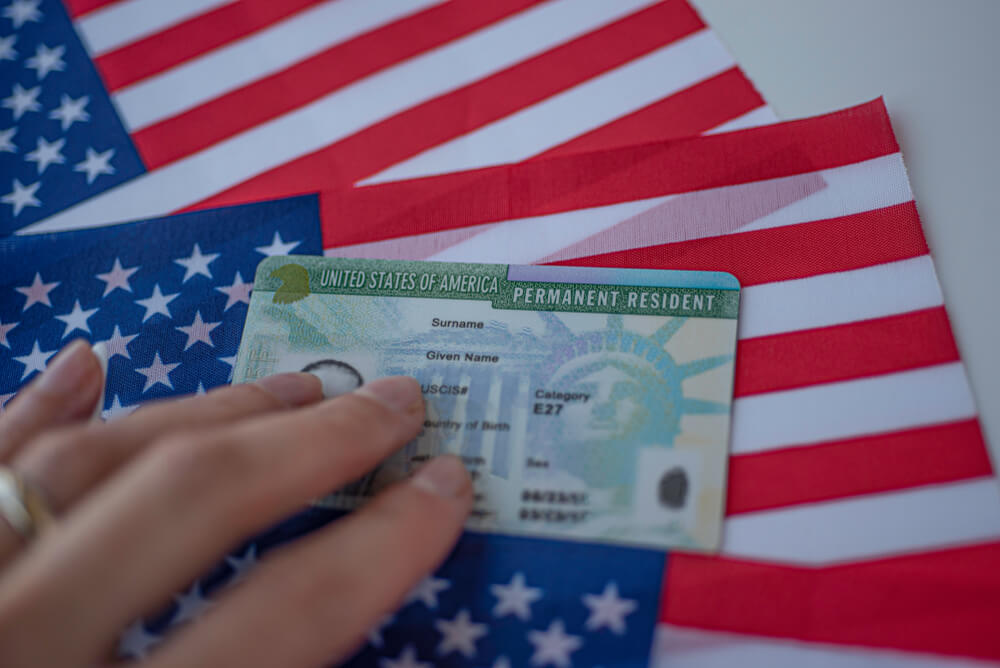
Naturalization is the primary mechanism for obtaining U.S. citizenship for foreigners who do not have a right to it at birth. To apply for naturalization (Form N-400), the applicant must meet a number of general requirements. Firstly, be at least 18 years old. Secondly, be a lawful permanent resident (green card holder) from the moment of obtaining residency.
Thirdly, reside continuously in the U.S. for not less than five years (for most categories) or three years if the applicant is married to a U.S. citizen and has lived together for that entire time. Furthermore, the applicant must have been physically present in the U.S. for at least 30 months of these five years (or 18 months for those married to citizens). An important requirement is 'good moral character': absence of certain types of convictions, violations of immigration law (such as lying when obtaining a visa or green card), failure to pay taxes. Finally, the applicant must demonstrate basic knowledge of the English language (reading, writing, speaking) and U.S. history/government. Individuals over 50 years old who have lived in the U.S. for 20 years or those over 55 (15 years of residence) are exempt from the exam.
Residency and Status Requirements Before Applying for Citizenship
Before applying for naturalization, the applicant must carefully check compliance with the requirements regarding continuous residency and physical presence. Continuous residency means that the applicant has not left the U.S. for prolonged periods. As a rule, trips abroad lasting up to 6 months are not considered interruptions in residency. However, if a person has been outside the U.S. for more than 6 months but less than 1 year, it is considered that continuity of residency is broken, and the applicant must prove that they did not intend to leave the U.S. (for example, maintained employment, home, family).
Trips lasting more than 1 year completely annul accumulated time of residency. Furthermore, to obtain citizenship, the applicant must have been physically present in the territory of the U.S. for at least 30 months of the last 5 years (or 18 months of the last 3 years for those married to citizens). This time is counted cumulatively over the entire period. It is also important that the applicant resides in the state or county where they apply for no less than 3 months. Before applying for naturalization, it is recommended to make copies of all pages of the passport confirming entry/exit dates, as well as to compile evidence of tax payments and absence of debts.
How to Obtain U.S. Citizenship Through Marriage, Employment, or Other Grounds

Although the main path to citizenship lies through naturalization after 5 years of residency, some categories of immigrants are entitled to an expedited procedure. Firstly, these are individuals married to U.S. citizens. They can apply for naturalization after 3 years of obtaining a green card (instead of 5), provided that during this time they lived in marriage with the citizen and were present in the U.S. It is important that the marriage is bona fide (not fictitious). Additionally, the U.S. citizen must have been a citizen for the entire period. Secondly, military personnel of the U.S. armed forces. Individuals who have served in the army, navy, marine corps, or coast guard during armed conflicts can apply for naturalization immediately without any residency requirements.
Those who served in peacetime can apply after 1 year of service. The procedure for military personnel is simplified. Thirdly, obtaining citizenship through employment is not a separate pathway. A person first obtains a work visa, then a green card through an employer (categories EB-1, EB-2, EB-3), and after 5 years of receiving the green card, applies for naturalization on general grounds. Certain categories (e.g., those who were granted asylum or refugee status) can apply for a green card 1 year after entry, and for naturalization - 4 years after receiving resident status.
The Citizenship Application Procedure
The naturalization process involves several stages and generally takes 6-12 months. Here’s what it entails:
- The first step is submitting Form N-401 (Application for Naturalization) to the U.S. Citizenship and Immigration Services (USCIS) along with a package of documents (copy of green card, photographs, proof of marriage/divorce, military service, etc.) and paying the fee.
- The second step is biometrics (fingerprinting) to check for criminal history.
- The third step is an exam on English language and U.S. history/government. The exam is conducted orally or in writing. Age exemptions may apply.
- The fourth step is an interview with a USCIS officer, during which the data in the application, claimed exits, marital status, and taxes are checked.
- The fifth step is if the application is approved, the applicant receives a notice of the oath ceremony appointment. During the ceremony, they take the oath of allegiance to the U.S., after which they receive a Certificate of Naturalization. From this moment on, they become a U.S. citizen.
Afterward, they can apply for a foreign passport. It is important that when taking the oath, the applicant renounces any allegiance to foreign states; however, this does not automatically lead to the loss of Ukrainian citizenship (the issue of dual citizenship is regulated by the legislation of the country of origin).
Citizenship Test: What it Includes and How to Prepare
The citizenship test is one of the most important stages of naturalization as it assesses the applicant's ability to integrate into American society. It consists of two parts: the English language test and the U.S. history and government test. The English language test evaluates three skills: reading, writing, and speaking. During the interview, the USCIS officer asks simple questions about everyday life, family, and work to assess the ability to understand and respond in English.
To check reading, the applicant is asked to read one or two sentences aloud. For writing, they must write a dictation. The U.S. history and government test contains 100 questions, of which the officer asks up to 10 during the interview. To pass, it is necessary to answer correctly to 6 questions. The topics cover: American history (the war of independence, the civil war, prominent presidents), principles of American democracy (the Constitution, Bill of Rights, three branches of government), symbols and holidays (flag, anthem, Independence Day), geography, and economics.
To prepare for the exam, it is recommended to use official USCIS materials, which include the brochure '100 Questions and Answers', audio recordings of correct reading and pronunciation, as well as free mobile applications. Many immigration centers and libraries offer free naturalization preparation courses. Practicing with a friend or family member while simulating the interview can be beneficial. It is important not just to memorize answers but to understand the content since the officer may rephrase the questions. Individuals with certain developmental disabilities or elderly individuals may request waivers from the exam by providing appropriate medical documentation.
Oath of Citizenship and Finalization of the Process
If the naturalization application is approved, the applicant receives a notification of the scheduled date and place for the oath ceremony. This is the final and most solemn stage. On the appointed day, the applicant must appear at the designated USCIS office or the specially designated hall. They return their green card (permanent residence) since, from the moment of taking the oath, the permanent resident status is no longer valid.
During the ceremony, all present take an oath of allegiance to the United States of America. The text of the oath includes a renunciation of any allegiance to foreign nations, an obligation to defend the Constitution of the U.S., serve in the armed forces, or perform civilian work as required by the government. After taking the oath, the USCIS officer congratulates the new citizens and hands them the Certificate of Naturalization. This document is the primary proof of citizenship.
New citizens can immediately apply for a U.S. passport at any post office or passport center. They also register to vote. Children of new citizens who are under 18 years old and are permanent residents automatically receive citizenship along with their parents. The oath ceremony is public, and relatives and friends can be invited. Photography and videography are generally permitted.
Common Mistakes and Reasons for Citizenship Denial
Despite detailed instructions, many applicants make mistakes that lead to delays or denial of citizenship. The most common reason for denial is violating the continuous residency requirements. Long trips abroad without a Re-entry Permit or frequent short trips that collectively exceed the allowed 30 months often result in denial.
The second reason is providing false information in the application or during the interview. This may involve concealing arrests, convictions (even if they have been expunged), marriages, employment. The third reason is failure to pay taxes. Debts to the IRS, failing to file tax returns from previous years indicate a disregard for the law. The fourth reason is insufficient proficiency in the English language or unsatisfactory knowledge of U.S. history and government.
The fifth reason is committing crimes, particularly those involving violence, fraud, drugs, as well as violations of immigration law (e.g., sham marriage, lying when obtaining a visa). The sixth reason is the absence of 'good moral character'. This concept also includes systematic drinking, gambling, failure to pay alimony. The seventh mistake is incorrectly filling out Form N-400 or lacking necessary documents (e.g., evidence of marriage, divorce, military service). The eighth mistake is missing the interview or the oath ceremony without valid cause.
The ninth is the inability to prove the fact of living with a citizen-spouse for three years. The tenth is having entry prohibitions that have not been lifted. In case of denial, the applicant receives a written explanation of the reasons. They have the right to appeal the decision administratively (file an appeal) or reapply after eliminating the grounds for denial. Using the services of an immigration lawyer significantly increases the chances of approval.

Read also