Iran's Ultimatum Threatens Trump's Victory Declaration

Trump's Iran Win Claim Hits a Wall of Iranian Conditions
According to ХВИЛЯ: Washington's immediate focus has shifted away from a comprehensive nuclear agreement and onto the Strait of Hormuz. According to U.S. officials, Donald Trump privately signaled he was willing to end the conflict without a nuclear pact, and he was poised to call the campaign a victory if the strait fully reopened. That plan ran into trouble on Saturday, when Tehran handed Washington a set of ultimatums: billions in compensation, removal of all American troops from the region, and an end to the naval blockade. The White House has maintained since April that Iran must not be allowed to obtain a nuclear weapon.
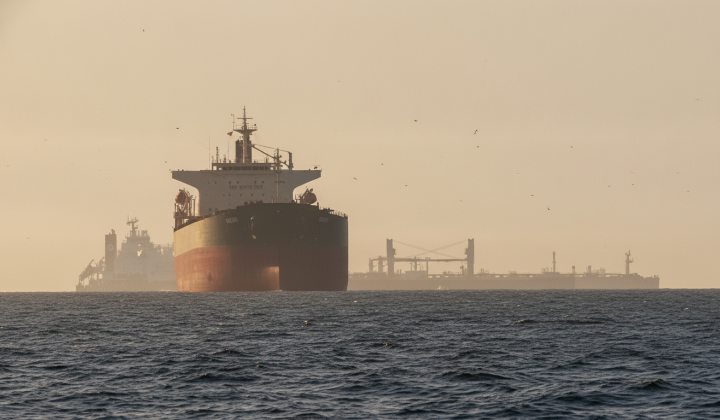
The stakes are visible at American pumps. With less than three months before the U.S. midterm elections, the average price of a gallon of gasoline is $4.02, up sharply from $3.16 a year earlier. In recent weeks, the administration has concentrated on the strait, a chokepoint Iran can effectively shut down using missile and drone attacks. The result has been slower commercial shipping and volatile world oil markets.
Tehran's Non-Negotiables
Trump has said he was prepared to launch the biggest military operation since World War II, but allied governments refused to back it. On Friday, he wrote on social media that victory was already secured even without a nuclear deal, referencing a piece headlined "Donald Trump won the Iranian war." Vice President JD Vance echoed that line, saying the United States would keep squeezing Iran. "And if not - that's fine too, we'll just continue to apply as much pressure as we can," he said.
Iran's official list of demands includes:
- an end to the war;
- lifting of the naval blockade;
- withdrawal of troops;
- removal of all sanctions;
- release of frozen assets;
- war reparations;
- cessation of threats;
- an end to military operations against Iranian-aligned groups.
The demands were laid out by Mohammad Bagher Zolghadr, secretary of Iran's Supreme National Security Council, through the state news agency IRNA. Privately, Trump has said he believes Tehran will not be able to revive its nuclear program on his watch because three key facilities were destroyed last year. White House officials maintain that all U.S. military objectives against Iran have already been met. Trump added:
"We already got the nuclear material, because it's so deep underground. Nobody can reach it except us."
These hard-line conditions make it much harder for the president to craft a face-saving exit. "The Iranians are convinced Trump wants out and is focused on reopening the strait, so they're playing tough," said Mona Yacoubian, an expert on the issue. This dynamic underscores how fragile U.S.-Iranian diplomacy remains, with regional security and global energy supplies hanging in the balance. The administration is trying to keep control without ordering new military action, and the direction of the standoff could reshape the political climate in both countries, move global oil prices, and determine regional security. For American readers, the jump in gasoline prices is a reminder that the confrontation could echo far beyond the Persian Gulf.

Read also