Swiss Citizenship — How to Obtain It and What Requirements Apply to Foreigners

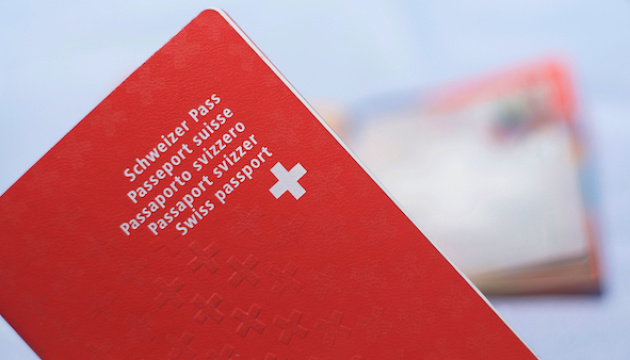
Another country that deserves special attention is Switzerland. Obtaining Swiss citizenship is not so easy, but this status has many advantages. That's why it's worth learning about all the pitfalls and nuances of acquiring Swiss citizenship.
Requirements for Obtaining Swiss Citizenship
Switzerland is considered one of the most attractive countries to live in due to its exceptionally high standard of living, stable economy, developed social system, and neutral political status, which provides safety and peace for its residents. The process of obtaining Swiss citizenship is lengthy and demanding, as this country belongs to those states where naturalization requires not only long-term residence but also deep integration into local society, which includes knowledge of the language, customs, and active participation in community life.
Swiss legislation provides for several levels of legalization, starting from a temporary residence permit to a permanent status, which is a prerequisite for applying for citizenship, and each of these stages has its own requirements and deadlines. A feature of this procedure is that the decision to provide citizenship is made not only at the federal level but also at the level of cantons and even municipalities, making the process decentralized and dependent on local regulations. For Ukrainians, the Swiss passport remains a desirable but difficult to achieve document, as the requirements for candidates are among the strictest in Europe, and the number of rejections remains significant.
Understanding all stages of the procedure is key to success, so it is worth studying not only federal but also local regulations, which may differ significantly in different regions. Knowledge of one of Switzerland's official languages is a mandatory requirement, as it is impossible to take exams and undergo interviews with local authorities without it.
To obtain Swiss citizenship, an applicant must fulfill three main groups of conditions, which include residence in the country for a specified period, proper integration into society, and adherence to law and order, each of these criteria being assessed separately. The standard residence period is ten years, during which time spent in Switzerland with different types of residence permits, including student and work visas, counts toward the actual waiting time.
Importantly, years of residence with various statuses are summed up, so a person who arrived in the country as a student and later received a work permit can reach the required ten-year term sooner. Cantons have the right to establish their own additional requirements, including the length of residence in a specific canton, which often ranges from two to five years, making the procedure different in various regions. Knowledge of one of Switzerland's official languages – German, French, Italian, or Romansh – at the B1 level is mandatory for all applicants, and this level allows for fluent communication in everyday situations and understanding of basic social and political processes. Additionally, it is necessary to pass an examination in history and social studies, which assesses knowledge of Swiss traditions, political system, geography, and basic legal norms, indicating the applicant's awareness of the country. The applicant must not have a criminal record, cannot be under investigation, and must respect Swiss laws, as confirmed through police certificates and other official documents. Financial capability is an important factor, as a person receiving social assistance may be deemed insufficiently integrated, which will be grounds for rejection. Having no debts to the state is mandatory, so all financial matters should be settled before applying. All these conditions are thoroughly checked, and the process takes a significant amount of time, so preparation should be thorough and cover all aspects of the applicant's life in Switzerland.
Residence and Integration Requirements
Residence in Switzerland for the required period is only a formal requirement, as much more important for obtaining citizenship is the confirmation of real integration into society, which is assessed through active participation in local community life, possessing language skills at a sufficient level, and being independent of social assistance. Integration means not just residing but consciously engaging in the social, cultural, and economic life of the country, which is expressed in work, paying taxes, participating in local events, and respecting Swiss values. Special attention is given to whether the applicant has stable employment, pays taxes, and whether their children are integrated into the school system, which indicates their ability to adapt and be a useful member of society.
Another important criterion is participation in cultural or community events, such as local holidays, charity events, or activities of public organizations, demonstrating a desire to be part of the community. The applicant must not have legal issues and must not disturb neighbors, so a positive reference from local authorities is of great importance and often becomes a determining factor in making a decision. Municipalities may conduct interviews with candidates, during which knowledge of local customs is assessed, awareness of the region's history is checked, and it is determined whether the applicant plans to stay in Switzerland long-term. Thus, integration is a key factor that determines success in naturalization, and its confirmation requires the applicant to take an active stance and be prepared for dialogue with local authorities.
Naturalization Procedure in Switzerland
The naturalization process in Switzerland consists of three levels: federal, cantonal, and municipal, and the applicant must receive approval at each of these levels, making the procedure complex and multi-stage. The procedure begins with submitting an application to the municipality where the applicant resides, where an initial document check is conducted and the level of the applicant's integration into the local community is assessed. After this, the case is forwarded to the canton, where more detailed questions are addressed, including language knowledge, history, and geography of the canton, as well as the applicant's financial status and behavior in society. Finally, the decision is approved at the federal level, where compliance with all national requirements is checked, and if all stages are successfully completed, the applicant receives Swiss citizenship. At each of these stages, careful checks are conducted, and cantons and municipalities have the right to deny even with a positive decision at a higher level, emphasizing the decentralized nature of the procedure.
Interviews are a mandatory part of the procedure, conducted by local authorities, and are often the most responsible stage, as they assess the real level of integration and motivation of the applicant. The applicant may also attend public hearings where community members have the opportunity to express their opinions regarding the candidacy, making the process open and democratic. The application review period can take up to two years, depending on the workload of the authorities, the complexity of the case, and the number of applicants, so it is advisable to be prepared for a long wait.
Documents and Application Rules

To apply for Swiss citizenship, a significant package of documents must be collected, which includes a foreign passport, a certificate of residence registration, a certificate of no criminal record, obtained both in Switzerland and in the country of origin, as well as documents on income and tax payments. All these papers confirm the applicant's financial capability, good character, and legality of residence in the country, which is critically important for a positive decision. It is necessary to provide certificates of language knowledge, confirming proficiency in one of Switzerland's official languages, and also a certificate of passing the exam in history and social studies, demonstrating the applicant's awareness of the country. All documents must be translated into one of Switzerland's official languages, and the translation must be notarized, which ensures their legal force.
Passport-sized photographs and a completed detailed questionnaire containing information about the applicant's life path, marital status, education, professional activity, and reasons for moving to Switzerland are also required. Any inaccuracies in the documents can cause delays or even denials, so it's advisable to double-check all data and consult specialists for advice. The complete package of documents is submitted to the municipality, where a government fee is paid, the amount of which depends on the canton and can range from 500 to 2000 francs, which is an additional financial burden. The procedure is complex, requires patience and responsibility, so it is crucial to prepare thoroughly for each stage to avoid errors.
Review Times and Passport Receipt
The processing of an application for Swiss citizenship is a multi-stage process and can take from a few months to two years, depending on the canton, the complexity of the case, and the workload of the relevant authorities. The first stage involves submitting the application to the municipality where the applicant resides, where initial document checks and integration level assessments are performed, which usually takes from two to four months. After this, the case is sent to the cantonal office, which has the right to conduct additional checks, including interviews and requests to different agencies, potentially taking another three to six months. Finally, a final decision is made at the federal level, which can take up to six months, as it checks compliance with all national requirements.
It is important to note that review times can vary significantly depending on the canton, as each region has its own procedures and the number of staff dealing with naturalization. In larger cantons, such as Zurich or Bern, the process may take longer due to the large number of applicants, while in smaller regions it may be quicker. After a positive decision, the applicant receives a certificate of citizenship acquisition, which serves as a basis for obtaining a Swiss passport and ID. Issuing the passport takes from two to four weeks, and this process is standardized and does not depend on the canton, as documents are produced centrally.

In some cases, the applicant may receive a temporary identity document while waiting for the passport, which allows them to confirm their citizenship status until they receive the main document. Delays at any stage may arise due to an incomplete document package or the need for further clarifications, so it is advisable to submit all papers fully and respond promptly to requests from the authorities.
Reasons for Citizenship Denial
The most common reason for denial of Swiss citizenship is insufficient integration into society, manifested in poor language skills, lack of employment or stable income, and not participating in community life in the canton or municipality. Cantonal and municipal authorities carefully assess whether the applicant is truly part of the local community, whether they have regular social contacts, and whether they participate in local events, so a passive stance may become grounds for a negative decision. Another common reason for refusal is a criminal record or administrative offenses, even if they occurred many years ago, as Swiss law requires impeccable reputation from citizenship applicants. Financial instability, including tax debts, overdue utility bills, or receiving social assistance for a prolonged period, may also pose an obstacle, as it indicates insufficient capability to support oneself. Inaccurate information provided in the application or during the interview is considered an attempt to deceive, which is a serious violation and almost always leads to a denial.

Additionally, the behavior of family members of the applicant may also play a negative role, as authorities often evaluate the integration of the entire family, rather than just the applicant themselves. If the applicant does not have a strong connection to Switzerland, for instance, plans to leave the country after obtaining the passport, this may also be a reason for denial, as citizenship is granted to those with long-term living plans. A denial decision can be challenged in administrative or judicial order, but this process is complicated, lengthy, and requires legal support, so it is better to ensure compliance with all requirements in advance. In case of denial, the applicant can reapply no earlier than two years later, and it is advisable to demonstrate improvement in the areas that led to the negative decision. Awareness of typical reasons for denial helps applicants prepare adequately, avoid common mistakes, and significantly increase their chances of successfully obtaining a Swiss passport.
Overall, Switzerland remains a country whose citizenship is more than just prestigious. It can open many doors for Ukrainians.

Read also