Croatia for Ukrainians: Entry Rules, Documents and Conditions of Stay

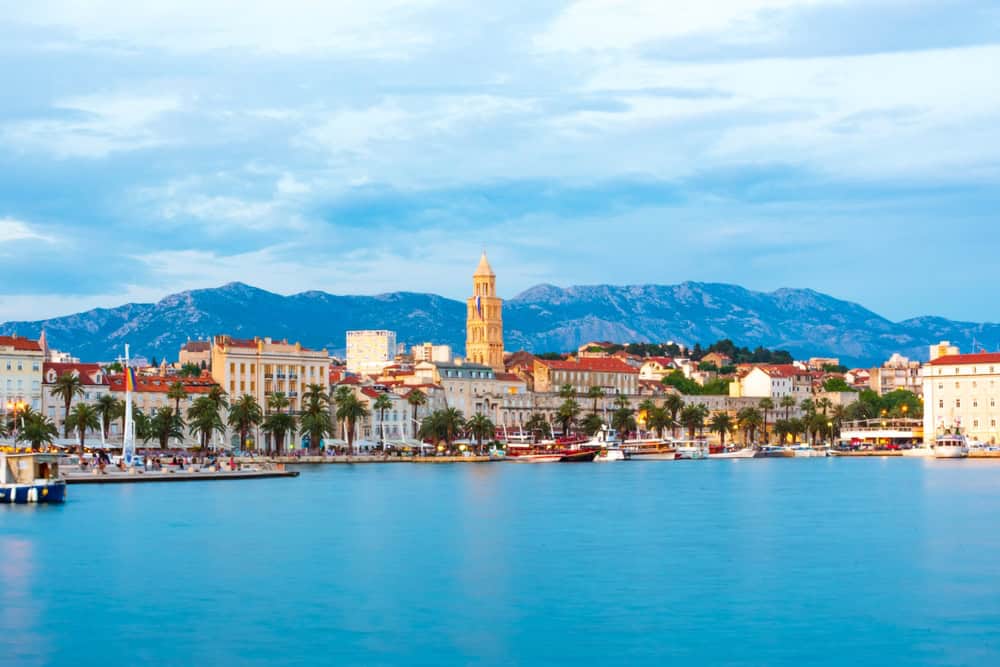
Croatia has always been on the list of interesting countries for migration, which is not surprising. This country has fairly good conditions for studying, employment, and living in general.
What Ukrainians need to know before traveling to Croatia
Croatia remains one of the significant tourist destinations in the Adriatic and at the same time a country of the European Union, where Ukrainians can come for both a short vacation and a longer stay under certain conditions. The country combines its coastline, islands, historical cities, national parks, developed tourist infrastructure, and convenient transport links with other European states. For Ukrainians, the destination has an additional practical feature: Croatia is part of the Schengen zone, and the visa-free regime applies to Ukrainian citizens with biometric passports for short trips within the general rule of 90 days in any 180-day period.
In 2026, a trip to Croatia can have various purposes. Some Ukrainians go to the sea for a few days or weeks, others plan a road trip through several European countries, while for some families, Croatia is a place for long-term residence on the basis of temporary protection. Because of this, it is essential to distinguish between a regular short-term visit and a stay under a special status before traveling. This affects the documents, rules for accounting stay periods, the ability to work, access to medical assistance, education, and social services.
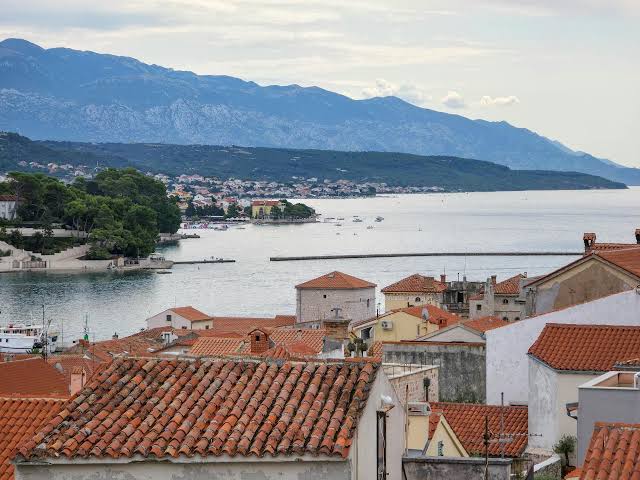
Another important practical change is that since January 1, 2023, Croatia has switched to the euro and is also part of the Schengen zone. Therefore, transactions during travel are conducted in euros, and when planning a route, one must take into account the rules of the Schengen zone and not the former rules for crossing the Croatian border.
For a short tourist trip, a Ukrainian citizen primarily needs a valid foreign passport. Under the visa-free regime, Ukrainian citizens with biometric passports can make short trips to Schengen zone countries without a visa. The overall limit is no more than 90 days in any 180-day period. It’s important to note that not only the days spent in Croatia count but also the total number of days spent in the Schengen zone if the trip includes other countries in this area.
Before departure, it is advisable to check the validity of the passport as the document must meet the requirements for crossing the external borders of the Schengen zone. It is also worth having proof of the purpose of the trip and practical documents that may be needed during control or accommodation: housing reservations, information about the return route, proof of funds, insurance policy, and contact details of the place of residence. The specific list of documents may depend on the circumstances of the trip and the method of crossing the border.
For children, a separate document proving their identity and allowing them to cross the border is required. If a child travels without both parents, it is advisable to check the rules for leaving Ukraine in advance and the documents that may be needed to confirm the legal grounds for accompaniment. Practically, it is recommended to have copies of essential documents on a phone and separate electronic contacts for insurance, accommodation, and transportation.
For a regular tourist stay, it’s important not to confuse visa-free travel with the right to long-term residency or employment. The visa-free regime is designed for short trips and does not itself grant the right to stay in the country indefinitely or work on general terms. If the stay exceeds the permitted short-term duration, one must have a corresponding legal basis for residence.
During the stay, one must also adhere to the rules of residence registration for foreigners. If accommodation is organized through a hotel, apartments, or another official accommodation means, the relevant formalities are usually handled by the party providing the accommodation. In the case of private accommodation, the notification procedure may differ, so it is better to clarify this issue directly at the place of residence.
Separately, it is worth considering customs rules. The transportation of cash, medicines, products, alcohol, tobacco, and other goods across the border is regulated by separate norms. For traveling by car, it is necessary to have documents for the vehicle and check the requirements of transit countries, as the route from Ukraine to Croatia usually passes through the territory of other states.
In 2026, short-term travelers also need to consider the new entry and exit registration system EES. It applies to citizens of third countries making short trips across external borders of countries using the system. EES registers border crossing data and biometric data in cases provided for by the system rules. Starting April 10, 2026, the system operates fully, so the procedure for crossing the external border may differ from the usual control with a stamp in the passport.
Separately, the European Union is preparing to launch ETIAS for citizens of visa-free countries. As of early October 2026, official information indicates that the system will be launched in the last quarter of the year, but the specific launch date will be announced separately. ETIAS is not a classic visa; it represents a prior travel authorization for specific categories of visa-free travelers. Therefore, before traveling at the end of 2026, it is advisable to check whether the system has begun accepting applications and whether transitional rules apply to the specific trip.
How to get to Croatia from Ukraine
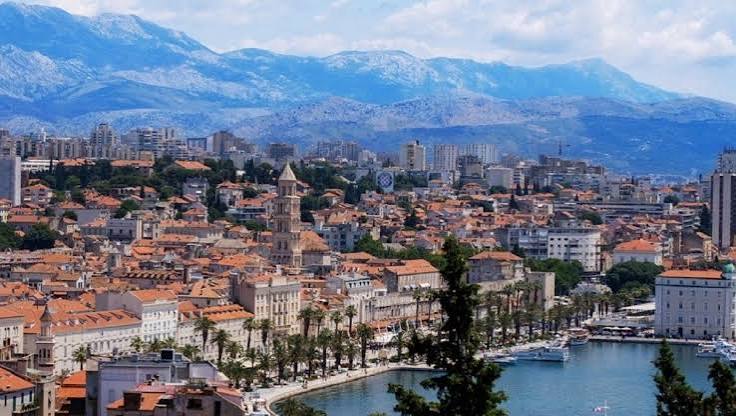
The most common option for traveling from Ukraine to Croatia remains by bus. International carriers form routes from Ukrainian cities to Zagreb, Rijeka, Split, Zadar, and other localities, and also offer trips with transfers. The bus is convenient because one does not need to drive a car and plan expenses for fuel, road tolls, and parking. At the same time, travel times can be significant, especially during high-demand periods or at border crossings.
When traveling by bus, it is advisable to check not only the departure time but also the final stop in advance. A large tourist city may have several transport hubs, and the bus station may sometimes not be located directly in the center. If the trip includes a transfer, it is essential to leave extra time for delays of the first flight.
A car is a convenient solution for a family trip or a route with several stops. It allows you to set the pace of travel yourself, transport more luggage, and visit places that are harder to reach by public transport. However, a road trip requires careful planning. You need to check the driver's documents, vehicle registration documents, insurance, road usage rules in the countries on the route, and conditions for toll roads and parking.
During a trip in a personal car, it is advisable to determine overnight stop locations in advance, especially if the route is planned for several days. In the summer season, demand for accommodation near the coast significantly increases, so a spontaneous stop may turn out to be more expensive or require finding accommodation far from the shore. For families with children, it is also important to consider the time for rest on the road and the possibility of stopping at service areas.
Flying is the fastest way to reach Croatia, but for most Ukrainian travelers, flying from airports in neighboring European countries is relevant as air links with Ukraine remain limited. Therefore, the route may consist of ground travel to Poland, Romania, Hungary, Slovakia, or another country where there is a flight to Zagreb, Split, Dubrovnik, or Zadar. This option often shortens the main part of the trip but requires coordinating two or more transport segments.
Rail transport can also be used as part of a combined route. Practically, this means taking a train or other land transport from Ukraine to a European city, after which the journey continues by train, bus, or plane. For a long journey, a combined option can be more convenient than one long bus ride.
When choosing a travel method, it is important to assess not only the ticket price. The total cost consists of the road to the boarding point, luggage, food, possible overnight stays, transfers, and local transport upon arrival. That is why a cheaper individual ticket does not always mean a cheaper overall trip.
Best Cities and Resorts in Croatia for Ukrainians
Zagreb is the capital of Croatia and one of the most convenient cities for a first acquaintance with the country. There is no typical seaside resort landscape here; however, the city is interesting for its architecture, museums, parks, restaurants, shopping districts, and transport accessibility. Zagreb can also serve as a convenient base for further travels around the country. For Ukrainians interested not only in beach vacations but also in urban life, studying, or longer stays, the capital has separate practical significance.
Split is located on the Adriatic Sea and combines a resort atmosphere with a rich historical heritage. The central attraction is the Palace of Diocletian, around which a significant part of the old city has formed. Split is convenient for combining urban leisure with the sea and as a starting point for trips to the islands.
Dubrovnik is known for its Old Town, defensive walls, and panoramas of the Adriatic. The city attracts tourists with its historical architecture, beaches, sea excursions, and picturesque views. However, during the high season, Dubrovnik is one of the destinations with high tourist loads, so accommodation and dining in the central part can be more expensive than in less popular cities.
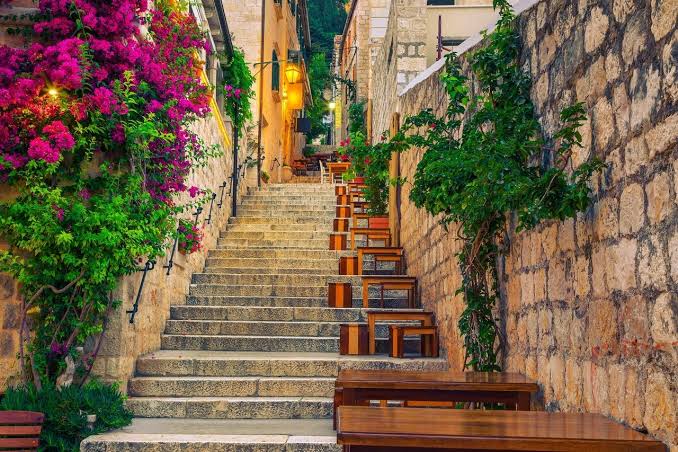
Zadar is interesting for its combination of a historical center, seaside, and modern urban facilities. Notable attractions include the Sea Organ and "Greetings to the Sun." The city can be convenient for those who want to combine beach leisure with walks in the old center and trips to natural attractions in Northern Dalmatia.
Rijeka is an important port city in the north Adriatic. It differs from typical resorts in southern Dalmatia with a more urban character. Rijeka can be interesting as a base for exploring Kvarner Bay, the islands of Krk, Cres, and other adjacent territories.
Among other popular destinations, it is worth mentioning Pula, Šibenik, Trogir, Makarska, Opatija, Rovinj, and Poreč. Istria is particularly interesting for its architecture, small coastal towns, and gastronomy. Makarska is known for its beaches and proximity to the Biokovo mountain range. Opatija has a long resort history and is suitable for a quieter stay by the sea.
The choice of a city largely depends on the purpose of the trip:
- For a first acquaintance with the country, it is convenient to combine Zagreb and one of the coastal regions;
- For a beach holiday, one should consider Dalmatia, Istria, or Kvarner;
- For historical landmarks, especially interesting are Dubrovnik, Split, Trogir, Zadar, and Šibenik;
- For a family trip, the important criteria are shallow water entry, shade, proximity of accommodation to the sea, and availability of shops;
- For a road trip, it is convenient to choose places from which day trips can be made.
However, choosing a place for living will not be so simple: you will have to choose the best options for yourself.
How much does a vacation in Croatia cost
The costs of a vacation in Croatia depend on the season, city, type of accommodation, duration of the trip, and the number of paid activities. The highest prices are usually observed in summer, especially in July and August, when demand for seaside resorts is highest. In May, June, September, and partially in October, you can plan a vacation with less budget burden, although specific prices depend on the chosen city and format of accommodation.
Since the official currency of Croatia is the euro, it is convenient to plan the main expenses right away in euros. Apartments with a kitchen often allow for reduced food expenses, especially for a family or a group. A hotel with breakfast may be more expensive per night but partially compensates for expenses on morning meals.
The budget for the trip usually includes the following categories:
- Transport to and from Croatia;
- Accommodation;
- Food;
- Local transport or car rental;
- Toll roads, parking, and ferries, if needed;
- Insurance;
- Visiting museums, parks, excursions, and other facilities;
- Reserve for unforeseen expenses.
In restaurants, prices depend on the city and the location of the establishment. In central tourist areas and directly by the waterfront, the bill is often higher than in establishments outside the main tourist flows. For a more economical trip, you can combine restaurants, cafes, bakeries, and self-catering in apartments.
Transport costs also need separate calculation. In large cities, you can use public transport, and on islands and remote resorts, additional expenses may arise due to ferries or intercity buses. For a road trip, the cost of fuel should be added to the road tolls and parking fees. In popular coastal cities, parking in the season can be a substantial part of the daily budget.
Entertainment also does not necessarily have to be expensive. Walks through historical centers, city beaches, observation decks, and nature trails can require little expense. On the other hand, sea excursions, boat rentals, diving, organized tours, and visiting certain tourist attractions increase the overall cost of the trip.
When booking accommodation, it is important to look not just at the price per night but also at additional payments. These may include cleaning fees, tourist taxes, parking, platform commission, or specific conditions regarding the number of guests. Before payment, it is advisable to check the final amount, address, and cancellation conditions.
What to see in Croatia
Croatia has a significant number of natural and historical landmarks, so a vacation can be built not only around the beach. One of the most famous natural sites is Plitvice Lakes – a system of lakes, waterfalls, and forest areas that is part of a national park. When visiting, it is essential to consider the season, time for the route, and physical preparation, as a walk may take a significant part of the day.
Krka National Park is known for its river, waterfalls, and natural landscapes. It is convenient for combining with a trip to Šibenik and other cities in Dalmatia. In the summer season, popular natural locations can be very busy, so it's advisable to plan the time of visits in advance.
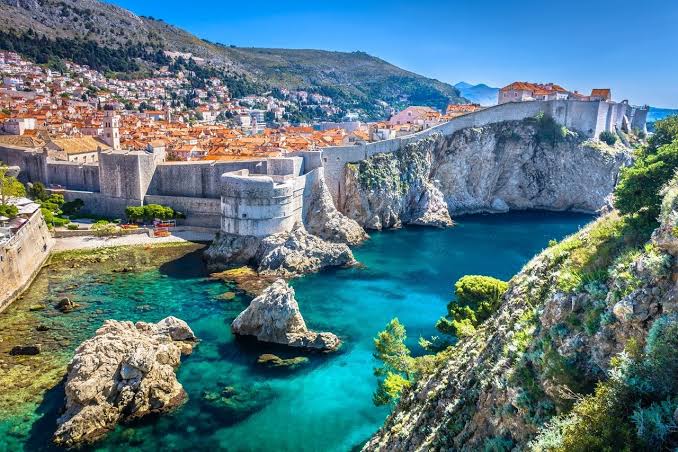
Along the islands and coastline of Croatia, there are many beaches with different types of coverage. On a significant part of the coastline, gravel, rocks, or concrete platforms prevail, although sandy and fine gravel areas also exist. For children and individuals who have difficulty walking on stones, it is useful to check the beach characteristics even before booking accommodation.
Dubrovnik is worth visiting not just for the sea. The Old Town, city walls, forts, squares, and narrow streets form a separate historical route. Split allows you to see the Palace of Diocletian, old quarters, and the Riva waterfront. In Zadar, popular attractions include the Sea Organ and the "Greetings to the Sun" structure, while Pula has a Roman amphitheater.
Trogir is interesting for its historical center, which has preserved medieval and Renaissance architecture. Šibenik is known for St. James Cathedral and the old part of the city. In Rovinj, pay attention to the historical center and characteristic architecture of Istria. Opatija is known for its seaside promenades and historical villas.
A separate destination is the Biokovo Nature Park near Makarska. Mountain trails offer wide panoramas of the Adriatic Sea, but for this visiting, it is essential to consider weather conditions, temperature, and the difficulty of the route. Mountain activities on a hot day require particular attention to water, headwear, and timing of the hike.
The Croatian coast is also suitable for sea excursions. Popular options include trips to islands, short cruises, snorkeling, and other water activities. The cost of such services varies depending on the port, duration, and program. Before booking an excursion, it is advisable to clarify what is included in the price: transfer, meals, equipment, tickets to natural attractions, or additional fees.
Vacation in Croatia with children
Croatia is suitable for family vacations; however, when choosing a specific resort, it is important to consider not just the beauty of the coastline. For family with small children, practical criteria include safe water entry, absence of numerous stairs on the way to the beach, shade, nearby shops, pharmacies, medical services, and convenient accommodation.
For family trips, resorts in Istria, Kvarner, and some cities in Dalmatia can be convenient. Istria offers many equipped tourist areas, family hotels, and campsites. In the Kvarner region, popular locations include Crikvenica, Novi Vinodolski, Opatija, and the islands. On the Dalmatian coast, there are also many options, but specific beaches might be rocky or located below road level.
When booking accommodation, families should pay attention to the availability of air conditioning, kitchen or kitchen areas, refrigerator, washing machine, and the possibility of setting up a baby crib. In summer, air conditioning is of particular importance as the temperature in coastal regions can be high, and accommodation without proper ventilation may not be comfortable for small children.
At the beach, it is essential to bring water shoes, especially if the shore is rocky. For children, helpful items may include a tent or other means of sun protection, drinking water, and light clothing with UV protection. Prolonged exposure to the sun in the middle of the day should be limited.
In addition to the beach, family activities can include aquariums, zoos, small museums, nature parks, boat trips, and short trips to historical cities. For small children, long excursion routes in the heat can be challenging, so it is better to alternate the itinerary with rest by the sea.
If the family travels by car, it’s important to plan stops in advance. A long journey with a child requires regular breaks, and during summer heat, sufficient water supply and monitoring the temperature in the cabin are necessary. For infants and small children, using appropriate child restraint systems is essential.
Temporary protection in Croatia for Ukrainians
For Ukrainians who are not just traveling but are forced to stay in Croatia due to the war, a temporary protection mechanism is in place. This is a separate legal status that should not be confused with standard visa-free stays. It allows for legal residence in the country and access to specific rights defined by the state.
In 2026, it is important to consider the current validity of the Croatian regime. In September 2026, the Croatian government decided to extend temporary protection for displaced persons from Ukraine until March 4, 2028, in accordance with new decisions at the European Union level. At the same time, it is necessary to check practical rules for registration, documents, and the procedure for confirming status depending on whether the status has already been obtained or if the person is applying for the first time.
The right to temporary protection primarily applies to citizens of Ukraine and certain categories of their family members and other individuals who meet established conditions. The main criterion in the basic category is residence in Ukraine on February 24, 2022, and forced displacement due to the war. For some categories, legislation includes additional conditions.
A person who has received temporary protection has the right to legal residence in Croatia, access to healthcare, education for children, social support within established rules, information about rights and obligations, work, and family reunification. There is also a document confirming the status of a foreigner under temporary protection.
Registration for the status occurs through the competent bodies of the Ministry of Internal Affairs of Croatia. For those who are just arriving, it is important not to confuse short-term accommodation in a reception center with the procedure for obtaining temporary protection. Acceptance and registration of a person after arrival do not imply automatic issuance of all documents for long-term residence.
After obtaining the status, it is essential to comply with administrative obligations. In particular, if there is a change of residence address, it must be reported to the competent authorities in a timely manner. Loss or theft of the identification document also requires timely reporting. The document on temporary protection is advisable to keep together with the passport and have access to its copy.
For employment, a person under temporary protection has special rights to work in Croatia. This distinguishes the status from standard visa-free residence. At the same time, specific issues of employment contracts, payment, taxes, social insurance, and registration by the employer are regulated by Croatian legislation.
Families with children can access the education system. School-age children have the opportunity to study, and issues of enrollment and organization of education are resolved according to local rules and the specific situation of the family. For preschoolers, conditions may depend on the availability of places in the respective institution and local procedures.
Temporary protection does not mean automatic acquisition of citizenship or permanent residence. It is a special mechanism created to protect displaced persons for a defined period. If a person plans to remain in Croatia after the completion of such a regime, the issue of another residence status should be resolved separately according to the grounds established by law.
Useful information for Ukrainians in Croatia
The official language of Croatia is Croatian. In tourist cities, employees of hotels, restaurants, car rental, and other services often communicate in English, and in certain regions, one can hear Italian or German. The Ukrainian language is not a widely spoken official language, but due to the significant number of Ukrainians in the country, Ukrainian-speaking communities and services aimed at displaced persons can be found.
Financial transactions are conducted in euros. Bank cards are widely used in shops, hotels, restaurants, and transport services, but having a small amount of cash can still be useful. This is especially true for small retail outlets, markets, private services, or situations when the terminal is temporarily not working.
Mobile communication in Croatia is developed in cities and tourist areas. During trips to the islands, mountainous areas, or remote nature routes, coverage may be weaker. If a road trip is planned, it is useful to preload offline maps and save the addresses of accommodations, parking lots, train stations, and medical facilities.
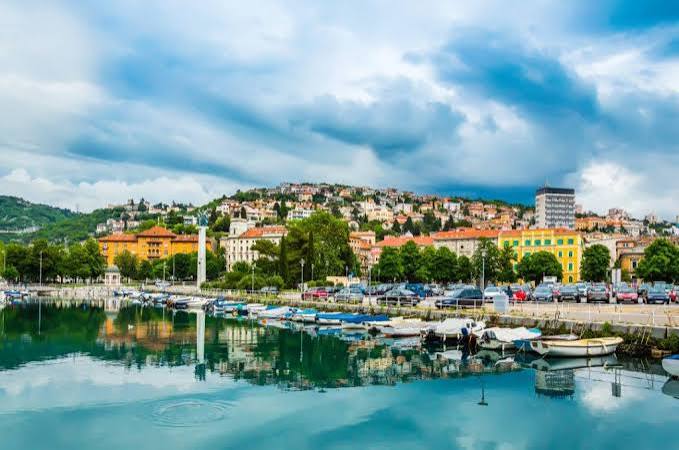
The Croatian transport system includes bus services, urban transport, ferry routes, and railways. Between large cities, buses are often a practical means of transport. Ferries and fast passenger vessels are crucial for the islands. In summer, demand for popular destinations is high, so tickets for ferries and intercity journeys should be purchased in advance.
Drivers need to consider the specifics of Croatian roads. There are toll sections on the highways, and parking is a pressing issue in tourist cities. In many old city centers, car traffic is restricted or access to them is complicated. Therefore, accommodation with parking can be much more practical than apartments without parking spaces in historical centers.
Medical issues should be thought out before the trip. For a tourist trip, it is advisable to have medical insurance that covers the stay abroad and complies with the specific conditions of the trip. People with a permanent need for medications should bring a sufficient supply of permitted medicines and, if necessary, have documents or prescriptions explaining their purpose.
In everyday life, it is essential to remember about seasonality. In July and August, the coast is very busy, accommodation becomes more expensive, and there can be queues on roads and ferry routes. In spring and fall, temperatures are often more comfortable for excursions and walks, and in some areas, accommodation prices are lower. For beach vacations, water temperature and weather in the off-season can be less stable, so the format of the trip should be chosen according to the purpose.
Ukrainians who are in Croatia under temporary protection should keep documents regarding their status, medical documents, employment contracts, housing documents, and other important papers. In case of a change of address or family circumstances, it is necessary to inform the competent authorities in a timely manner if such a requirement is established for the specific status.
Conclusion
Croatia in 2026 remains a destination that combines opportunities for a short tourist trip and a separate legal mechanism for Ukrainians displaced due to war. For tourists, the key issues are a valid foreign passport, adherence to visa-free stay rules within the Schengen zone, and planning the route, accommodation, transport, and budget. For those considering Croatia as a place for a long stay, the status of temporary protection and related rights and obligations are important.
The country’s variety allows one to combine beach vacations with cultural routes, natural parks, island trips, and city exploration. Zagreb, Split, Dubrovnik, Zadar, Rijeka, Pula, Šibenik, Trogir, and other destinations have different characteristics, so the choice of location depends on the duration of the trip, budget, family composition, and purpose of the stay. Proper preparation of documents and route can help avoid most practical difficulties and make the trip organized, irrespective of its format.
Despite some nuances, Croatia remains a good option for many, including Ukrainians.

Read also