Financing Opportunities Amid War: Assessing Business Investment Readiness in Ivano-Frankivsk

Panel Discussion on Business Investment Readiness
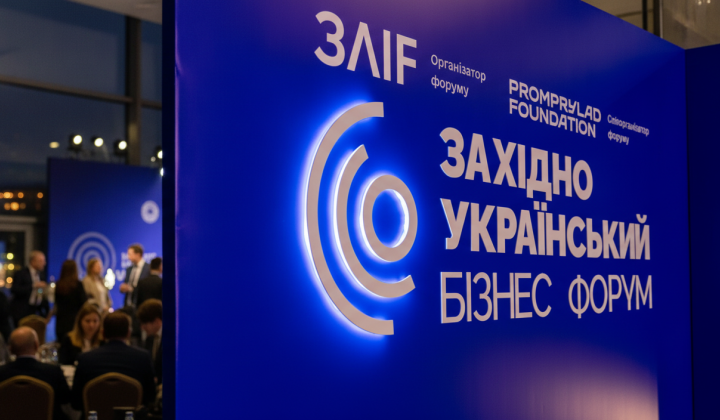
According to Рубрика — Суспільство: On October 9, Ivano-Frankivsk hosted a panel titled “Business Investment Readiness: Financing Opportunities” as part of the Western Ukrainian Business Forum. The event was organized by the Ivano-Frankivsk Business Association and the Promprylad Fund. Participants tackled pressing challenges related to accessing business financing during wartime, explored the role of international funds and development institutions, and examined strategies to enhance the investment preparedness of Ukrainian companies.
Representatives from the National Bank of Ukraine (NBU), Swedfund, Norfund, and UMAEF took part in the discussion. Sergey Nikolaychuk, First Deputy Head of NBU, explained that banks primarily provide loans for operational expenses and working capital, while project financing remains limited to a few lenders. The ongoing war complicates funding efforts as foreign investors tend to postpone commitments until hostilities end. Meanwhile, Olena Smirnova, Director of Swedfund Ukraine, emphasized that international funds can offer long-term loans with grace periods and invest in equity and quasi-equity instruments.
Standards for Investment Readiness
Anastasia Andriievska, Investment Manager at Norfund Ukraine, highlighted that Norfund typically invests between $5 million and $15 million, with company or project valuations needing to exceed $20 million. UMAEF focuses on small and medium enterprises generating revenues of at least $10 million, providing investments ranging from $2 million to $5 million through its u.capital program. Both Norfund and Swedfund prioritize projects that create jobs, contribute tax revenues, and possess export potential.
Key criteria for investment readiness discussed during the forum included:
- a clear plan for fund utilization;
- a solid financial model;
- a defined growth strategy;
- transparent ownership structure.
Yaroslav Honcharenko, Investment Associate at UMAEF, pointed out that UMAEF assesses supply chains, key customers, export activities, and asset location to evaluate wartime risks. He also addressed a common misconception about development institutions requiring perfect corporate governance and exhaustive ESG documentation before engagement:
“It’s often assumed that institutions only come in when everything is flawless, with corporate governance and ESG paperwork fully in place. That’s not the case. We look for partners willing to communicate openly and improve their standards and management.”
Audit expert Oleksandr Pochkun stressed the importance of early preparation for investment:
“With over 30 years in auditing, I’ve learned that Ukrainian businesses tend to start getting ready for investments only after seeing the money. But by then, it’s too late to prepare.”
Concluding the discussion, participants highlighted NBU’s plans to promote syndicated lending in cooperation with the European Bank for Reconstruction and Development, ease regulations on project financing, and align standards closer to those of the EU. The NBU’s credit development strategy for 2024 is already about 60% implemented over two years. Forum attendees noted that over the past 2–3 years, small and medium enterprises have accounted for more than 60% of bank corporate portfolios, with investment loans increasing by 48% in the last year alone.
The forum’s dialogue underscores the crucial need for Ukrainian businesses to adapt to evolving financial conditions amid war. Expert insights reveal that strengthening investment readiness is essential for Ukraine’s economic recovery and growth, particularly given the rising support from international financial institutions. While NBU’s initiatives to enhance credit access represent a vital step forward, success will depend on businesses actively raising their governance and operational standards. This discussion highlighted the importance of close collaboration between government bodies and the private sector to ensure sustainable economic progress in Ukraine.
As discussions around investment readiness continue to gain momentum, it's important to recognize the role of state support in fostering business resilience. Recently, state guarantees facilitated numerous loans aimed at bolstering businesses, highlighting the ongoing efforts to provide financial stability amidst the challenges posed by the current conflict.

Read also