Iran Agrees to Eliminate Uranium Stockpiles in New Deal with US

Negotiations on Iran's Nuclear Program
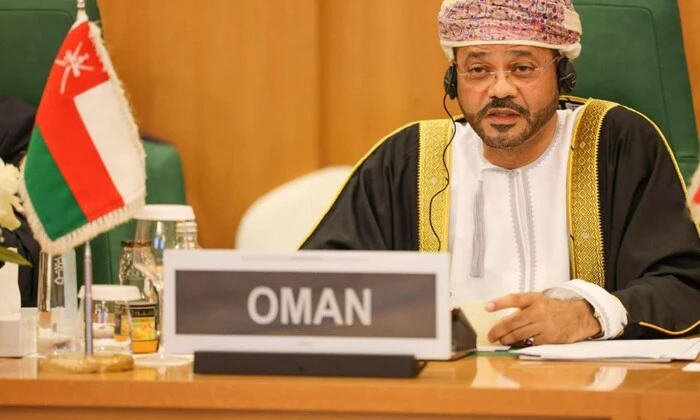
According to Главком: In a significant diplomatic development, Iran has agreed to halt the accumulation of enriched uranium and eliminate its existing stockpiles, contingent upon the signing of a new agreement with the United States. The plan, negotiated in Geneva with Omani Foreign Minister Badr Al-Busaidi acting as mediator, involves downblending enriched uranium to its lowest level and converting it into fuel-an irreversible process. The deal would also mandate full verification by the International Atomic Energy Agency (IAEA), with UN inspectors granted unimpeded access to all Iranian nuclear facilities. US representatives may join the inspections at certain stages. This potential agreement represents a critical effort to prevent nuclear proliferation in a volatile region.
The latest round of talks in Geneva concluded without a final agreement, though parties consented to continue negotiations following internal consultations. The US had insisted on reducing Iran's uranium enrichment capabilities and transferring its stockpiles abroad. Iran, however, rejected US demands, stating that a complete winding down of its nuclear program, the elimination of facilities, and the imposition of permanent restrictions were unacceptable.
Badr Al-Busaidi noted that 'Tehran is prepared to make significantly greater concessions than those outlined in the 2015 nuclear deal.'
Regional Tensions
Simultaneously, Donald Trump expressed dissatisfaction with the negotiation process, remarking that 'Tehran is not delivering the results the US wants.' The Omani Foreign Minister met with US Vice President JD Vance, while the commander of US Central Command, Brad Cooper, briefed Trump on military options against Iran. Several Republicans and some figures within the Trump administration advocate for Israel to initiate strikes against Iran.
The situation surrounding Iran's nuclear program remains complex and requires careful analysis by the international community. A lack of progress in US-Iran talks risks escalating regional tensions, a prospect already causing concern among many nations. The subsequent steps taken by the involved parties, including potential military action, could significantly impact stability in the Middle East and global security.

Read also