Iran Imposes Billion-Dollar Transit Fees on Ships Passing Through the Strait of Hormuz

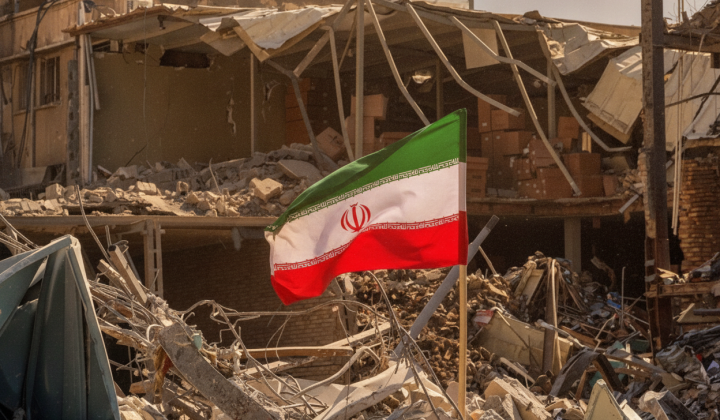
Iran’s Growing Grip on the Strait of Hormuz
According to Главком: Iran has tightened its control over the Strait of Hormuz, charging ships billions of dollars in transit fees. By positioning itself as the primary overseer of this critical international waterway-a key artery for global energy trade-Tehran has secured a lucrative revenue stream. Over the past three months, Iranian authorities have levied up to $2 million per vessel for passage, which translates to roughly $1 per barrel of oil. These actions have sparked concern in international trade circles, as insurance premiums for voyages through the region have surged to $7.5 million per trip due to heightened threats.
Military Operations and International Reactions
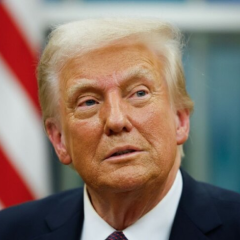
The situation is further complicated by the United States’ failure to reopen the strait through military force. A U.S. military operation in May was halted by President Donald Trump just 36 hours after it began, following Iran’s use of low-cost drones and missiles. In response, Tehran established the Persian Gulf Strait Authority and announced a blockade of the Strait of Hormuz. These measures underscore Iran’s growing military and political influence in the region.
Recognizing the risks tied to Iran’s stranglehold on the strait, Gulf states are exploring the construction of alternative pipelines to ensure uninterrupted energy supplies. Meanwhile, China has capitalized on the situation by ramping up exports of renewable energy technology-its shipments of solar panels and electric vehicles doubled in March. Additionally, Beijing has restricted exports of rare earth minerals, prompting the Trump administration to ease limits on the supply of advanced computer chips.
Iran’s critical role in controlling the Strait of Hormuz has also drawn attention from other nations. Indonesian President Prabowo Subianto recently noted that a significant portion of East Asian trade passes through Indonesian waters, hinting at the potential for his country to assert control over its own maritime routes. This reflects a global trend of states tightening their grip on strategic waterways-similar to Denmark’s practice of collecting tolls in its straits for 400 years until 1857.
Evangelos Marinakis, a participant in international trade, remarked: 'I would rather pay a toll than face constant risks.'
This sentiment captures the realities of modern maritime commerce, where risks and insurance costs are becoming increasingly significant. As control over the Strait of Hormuz remains a focal point of international politics and economics, nations continue seeking ways to reduce their dependence on this vital waterway.
Iran’s tightening grip on the Strait of Hormuz signals mounting regional tensions that could reshape global energy markets. Given the strait’s strategic importance, international players-particularly Gulf states-are actively pursuing supply diversification and reduced reliance on Iranian terms. This may drive increased investment in new infrastructure projects, ultimately influencing global trade and energy trends.
The ongoing developments in the Strait of Hormuz highlight Iran's significant influence in the region. As the U.S. acknowledges Iran's control over this vital waterway, the implications for global energy security and international relations become increasingly complex. This situation not only affects shipping costs but also forces neighboring countries to reconsider their energy strategies amidst rising tensions.

Read also