Iran's Strait of Hormuz Threat Poses Global Famine and Economic Risk

Control of a Critical Waterway
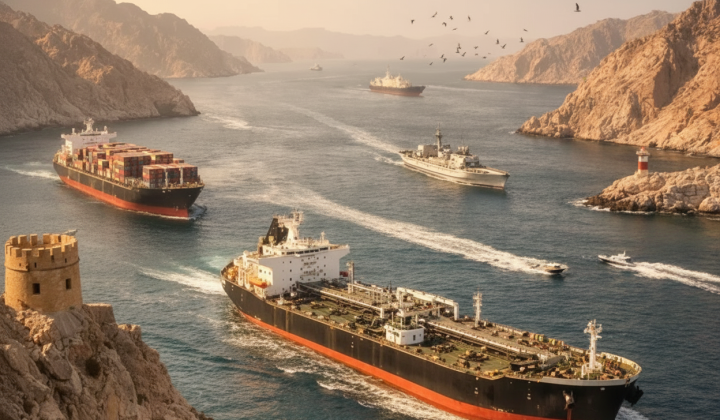
According to ХВИЛЯ: Iran maintains its grip on the Strait of Hormuz, leveraging this strategic chokepoint to exert pressure on the global economy. This narrow passage is vital for the worldwide transport of oil and key agricultural components. Analysts warn that any move to block the strait could trigger severe disruptions to international markets.
Middle East expert Mohammad Farajallah highlighted that a previous closure served as a stark warning to the international community.
The shutting of the Strait of Hormuz naturally became a signal to the whole world that Iran could indeed threaten the global economy. If it is mined further, the situation will deteriorate.
- Mohammad Farajallah
Risks to Worldwide Food Security
Political analyst Yuriy Romanenko underscores the gravity of the threat. Experts in agricultural policy forecast dire consequences if the strait remains blocked.
I reviewed analysis from agri-policy experts. They predicted that if the Strait of Hormuz is not unblocked by summer, and a huge portion of ammonia for fertilizer production is not delivered, crop yields worldwide will drop, and we can expect famine.
- Yuriy Romanenko
In response to these dangers, Arab states are reportedly discussing the possibility of constructing a canal through Oman to bypass the Strait of Hormuz entirely. This project could provide an alternative route for shipping oil and fertilizer raw materials. Meanwhile, China, a traditional partner of Iran, may also influence the outcome of this geopolitical standoff. The strait's location makes it a focal point of tension, as roughly a third of the world's seaborne oil passes through it.
Consequently, control over the Strait of Hormuz remains a pivotal element in the region's strategic power plays, with the potential to drastically impact global economic stability and food security. The situation demands sustained international attention, as a closure would have severe economic repercussions far beyond the Middle East. Resolving this crisis will require coordinated global action to ensure the steady flow of both energy resources and the supplies needed to produce food.
The ongoing geopolitical tensions surrounding the Strait of Hormuz are not only a matter of immediate concern but also reflect broader strategic implications for regional players. As Iran seeks to solidify its influence in this critical maritime passage, it raises questions about potential shifts in control and the introduction of new transit fees. For a deeper understanding of how these developments could reshape the dynamics in the region, explore the insights on Iran's strategic advantages following the recent US ceasefire in our related article.

Read also