Iran's New Leadership and a Crackdown on Suspected Spies

Iran Announces Major Spy Ring Arrests
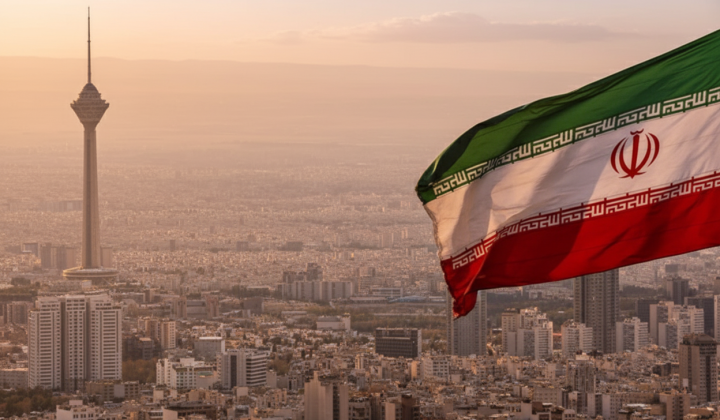
According to Главком: Iran's Ministry of Intelligence has detained dozens of individuals accused of espionage for hostile foreign states. According to official statements from Tehran, 30 people described as internal mercenaries and operational agents have been arrested in recent days. This wave of detentions intensified following the February 28 airstrikes that killed the nation's Supreme Leader, Ayatollah Ali Khamenei, along with the country's top military command.
Among those detained is a foreign national who allegedly acted as an intermediary between Western intelligence agencies and two Gulf states. Separately, Iran's police chief, Ahmadreza Radan, reported the arrest of an additional 81 people for leaking confidential information to hostile media outlets. These developments occur during a period of significant political transition, creating a climate of heightened internal security measures.
A New Supreme Leader Takes Power
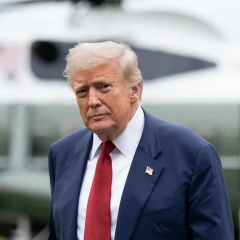
Following the death of his father, Iran's Assembly of Experts has formally elected Mojtaba Khamenei as the country's new Supreme Leader. U.S. President Donald Trump confirmed the death of the former leader, stating it resulted from a joint U.S.-Israeli high-tech operation. Trump emphasized that
"this is not only an act of justice for the Iranian people but also retribution for the numerous American and other citizens who have suffered at the hands of the Tehran regime and its security forces."
The events signal a sharp escalation in Iran's domestic political situation. The arrests of those accused of spying may represent an effort by the new leadership to consolidate control and preempt potential threats from both internal and external opponents. The selection of Mojtaba Khamenei suggests a continuation of his father's policies, albeit amid fresh challenges from domestic and foreign policy pressures. The international response, particularly from the United States, underscores that regional tensions remain high and could have far-reaching global implications.

Read also