Iran Recloses Strait of Hormuz Amid Stalled Nuclear Talks with U.S.

U.S.-Iran Negotiations at an Impasse
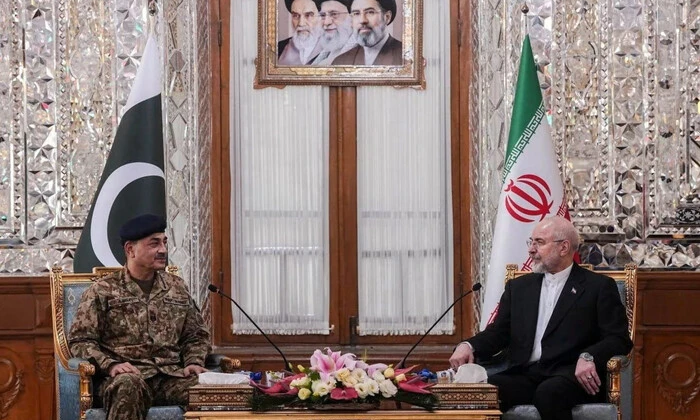
According to Главком: Talks between Iran and the United States aimed at resolving their conflict remain unfinished. Mohammad Bagher Ghalibaf, the Speaker of Iran's Parliament and the chief negotiator, has stated that while some progress has been made on certain issues, a final agreement should not be expected imminently. Iran officially announced the renewed closure of the Strait of Hormuz on April 18, justifying the decision by citing breaches of trust by the United States, which continues its naval blockade of Iranian ports.
Core Issues Under Discussion
A central Iranian demand is the implementation of a special toll for vessels seeking safe passage through the Strait of Hormuz, with ships paying the fee receiving priority movement. The negotiations are being mediated by Pakistan. The issue of uranium enrichment remains a key point of contention, as Iran has refused to transfer its uranium stockpiles to the U.S. or to halt its enrichment activities indefinitely.
U.S. President Donald Trump claimed that Iran had agreed to everything during the talks, including shipping its enriched uranium to the United States.
However, Iranian officials assert they have no plans to relinquish their stockpiles of enriched uranium, highlighting the complexity of the situation and the need for continued diplomatic efforts. The Strait of Hormuz is a critical global chokepoint for oil shipments, making its closure a significant threat to energy markets.
The situation surrounding the talks remains tense, given the strategic importance of the Strait of Hormuz to the world energy market. Closing this vital waterway could have serious repercussions for global trade and regional security. The mediation by Pakistan underscores a desire to find a compromise, though the deep disagreements over uranium enrichment continue to complicate the path to a stable peace. The outcome of these negotiations will impact not only the future of Iran's nuclear program but also the broader political stability of the Middle East region.
As tensions escalate, the stalling of negotiations raises concerns about the fragile ceasefire between the two nations. The ongoing diplomatic deadlock highlights the complexities of the situation, making it crucial to understand the implications of these developments. For a deeper insight into the potential risks associated with the current standoff, read more about how the impasse could jeopardize peace efforts.

Read also