Iran's Naval Swarm Strategy: How Thousands of Small Boats Extort Millions for Safe Passage

Iran's Maritime Tactics
According to ХВИЛЯ: Analyst Vitaliy Kulik, speaking on political scientist Yuriy Romanenko's broadcast, detailed Iran's naval strategy, which involves deploying thousands of small boats to harass shipping in the Strait of Hormuz. This asymmetric warfare tactic aims to halt vessels and inflict economic damage, not to sink them. Western allies, including the traditional naval forces of the United States and Europe, struggle to counter this approach effectively.
Iran actively utilizes tens of thousands of motorboats, often armed with machine guns, to execute its maritime strategies. Kulik noted that these small, easily concealed craft have ample coastal infrastructure for concealment. He emphasized the impossibility of destroying every boat in the Strait of Hormuz or the adjacent Persian Gulf, conditions that allow Iran to sustain its naval activity. This tactic exploits a significant vulnerability in conventional naval defense, which is designed for larger, more traditional threats.
Implications for Global Shipping
Kulik further stressed that Iran's intent is not to sink ships but to damage them enough to force a stop.
'A strike on the engine room, the ship goes in for repairs. That's it. So the issue here is not to sink the ships. Just to inflict maximum damage so the ship is out of action,' the analyst stated.
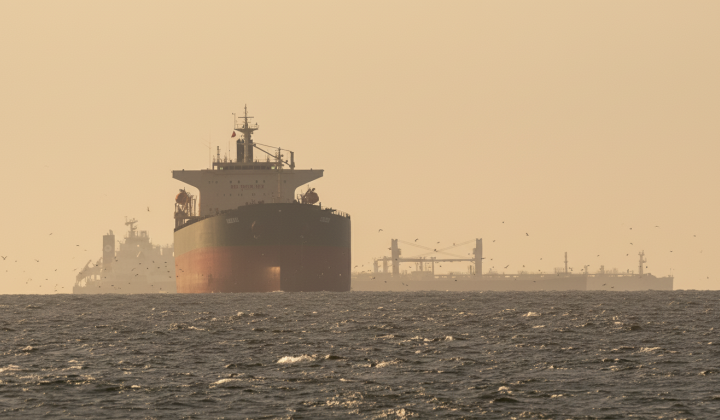
Notably, a practice of unofficial payments for safe transit through the Strait of Hormuz has emerged, which can amount to $2 million per tanker passage. These tankers may sail under a Malaysian flag but are often ultimately owned by British interests.
Consequently, the situation in the Strait of Hormuz presents novel challenges for international shipping as Iran continues to employ asymmetric methods to achieve its goals. The Strait is a critical global chokepoint, through which about one-fifth of the world's oil passes, making any disruption there a matter of urgent international concern.
Iran's strategy could have serious repercussions for the global economy. Should the conflict escalate, oil-importing nations could face rising energy prices and threats to their trade routes. Simultaneously, Western states may be compelled to reassess their military strategies in the region to adequately counter these new, unconventional threats.
The situation in the Strait of Hormuz continues to escalate, with Iran's naval tactics prompting serious concerns for global shipping. In a related development, reports indicate that Iran has also threatened to set vessels ablaze, further complicating maritime traffic in this vital oil route. For a deeper understanding of the implications of these threats and their impact on international trade, read more about the potential disruptions in the region here.

Read also