Iranian Missile Strikes Target Cyprus and Sharjah, Killing Top Military Officials

Iran's Coordinated Assault on March 1, 2026
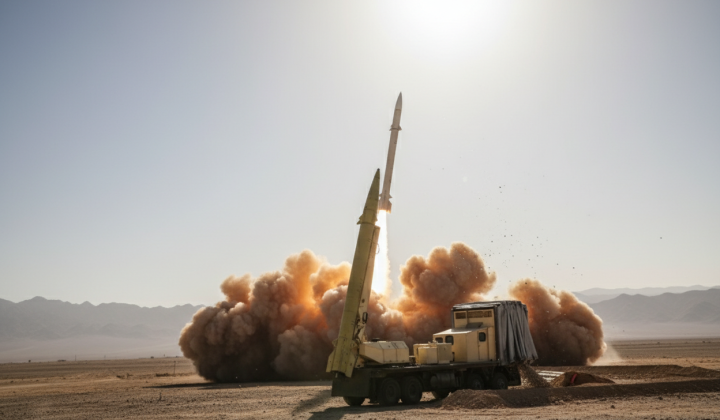
According to Главком: On Sunday, March 1, 2026, Iran launched a large-scale barrage of missile and drone strikes against multiple targets. These attacks hit British military bases in Cyprus, the Palau-flagged oil tanker Skylight, and a shopping mall in Sharjah, and also resulted in the deaths of key Iranian military leaders. This escalation has triggered significant alarm within the international community, marking a dangerous expansion of regional hostilities.
Missiles were fired at British military installations in Cyprus, which housed approximately 300 personnel. According to John Healey, some service members were within a few hundred yards of the impact sites. However, he stated:
"We are almost certain they were not aimed at our bases."
This ambiguity has raised serious questions about the intended targets and the potential for catastrophic miscalculation.
Regional Fallout from the Attacks
Beyond the military targets, Iranian kamikaze drones struck the oil tanker Skylight. This maritime attack followed a series of drone raids on the Omani port of Duqm. Separately, the emirate of Sharjah was also targeted, with one drone hitting a shopping mall building, causing structural collapse and a major fire.
As a consequence of these strikes, Iran's state news agency IRNA confirmed the deaths of pivotal figures from the country's defense and security establishment. The casualties included senior leaders from the army, the Ministry of Defense, and the Islamic Revolutionary Guard Corps. The Iranian government declared a 40-day period of mourning following the death of Khamenei, underscoring the profound impact of these events on the regime's leadership structure.
While the Cypriot government denied reports that the missiles posed a direct threat to the country, the incidents have already provoked widespread international condemnation and concern. The situation remains volatile, with potential to severely destabilize the region.
These coordinated attacks highlight the rapidly escalating tensions and the heightened risk of a broader military conflict. The loss of Iran's top military commanders could significantly alter the nation's internal political dynamics and its foreign relations, particularly with states already at odds with Tehran. The international community, including European nations and the United States, may now be compelled to reassess their strategic approach toward Iran in light of this dangerous new phase.

Read also