Iran's Regime Holds Firm Despite U.S. and Israeli Strikes: The Aftermath of Khamenei's Death

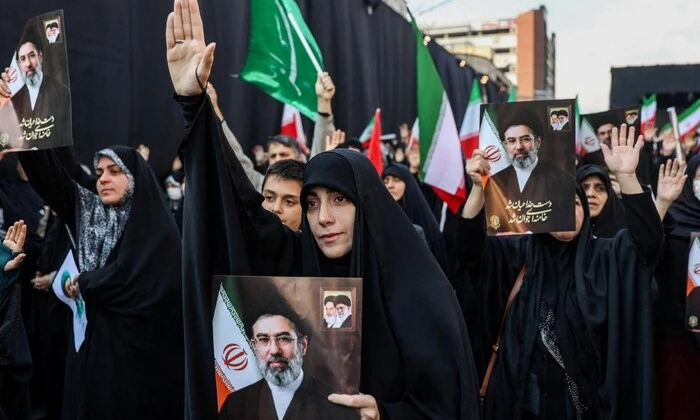
The Situation in Iran Following Bombardments
According to Главком: According to U.S. intelligence assessments, the Iranian regime is not in imminent danger of collapsing, despite nearly two weeks of bombardments by the United States and Israel. The conflict's first day, February 28, proved tragic when Supreme Leader Ayatollah Ali Khamenei was killed in the attacks. In the wake of his death, Iran's Assembly of Experts declared his son, Mojtaba Khamenei, as the country's new Supreme Leader. This development occurs against a backdrop of long-standing regional tensions and a history of proxy conflicts.
Military Actions and Their Consequences
Since the war's outset, U.S. and Israeli forces have struck a series of Iranian targets. These have included air defense systems, nuclear facilities, and members of the senior leadership. Beyond Ali Khamenei, the strikes have killed dozens of high-ranking officials and some of the top commanders of the Islamic Revolutionary Guard Corps. The cost of just the first six days of the American operation against Iran amounted to at least $11.3 billion.
While the United States has declared victory in the war with Iran, American forces will continue their operation to bring it to a conclusion, noted Donald Trump. This situation highlights the volatile dynamics in the region and underscores the significant role U.S. and Israeli military activity plays in shaping Iranian political developments.
These events mark a serious escalation of conflict in the Middle East with potential consequences for regional stability. The assassination of Ali Khamenei could lead to shifts in Iranian policy, yet the appointment of his son as Supreme Leader may signal a continuation of the existing course. Given the enormous costs of the military operations, the situation raises further questions about the strategic objectives of the U.S. and Israel in the region and their impact on international relations.

Read also