Israel Shifts to Defensive Stance After Five Soldiers Killed

Escalation and Response Between Israel and Hezbollah
According to Главком: Following the deaths of five Israeli soldiers from Hezbollah attacks on Friday and Saturday, Israeli leadership has decided to adopt a defensive posture in the security zone of southern Lebanon. In retaliation, Israel struck 300 targets, eliminating around 100 militants. This shift marks a notable change in strategy for the region, where cross-border hostilities have been a persistent challenge.
Although combat operations have since decreased, Iran has announced the closure of the Strait of Hormuz. However, U.S. military officials confirm that shipping in the area continues unaffected. Donald Trump has urged Tehran to rein in its affiliated forces in Lebanon. Israel's Defense Minister, Israel Katz, stated there are no restrictions on neutralizing threats, while Chief of Staff Eyal Zamir emphasized the need to dismantle Hezbollah's underground military stronghold near the Ali al-Taher ridge and the village of Tebnit-areas recently added to Israel's updated control zone map.
Demands and Next Steps
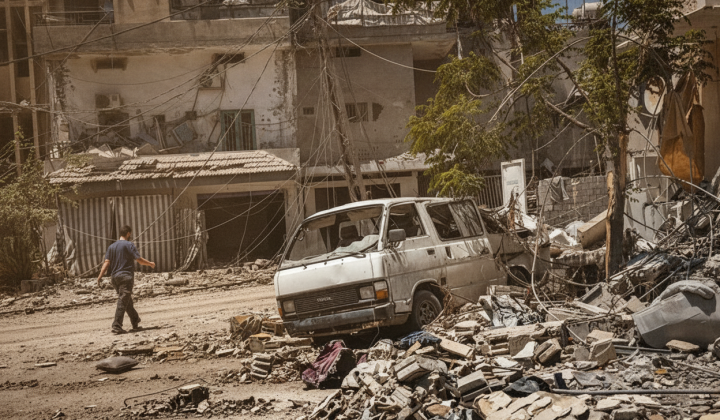
Hezbollah has reaffirmed its commitment to the ceasefire. Lebanese authorities are demanding a full withdrawal of Israeli troops, while Lebanon's Health Ministry reports civilian casualties and destruction in the city of Nabatieh. Israeli Prime Minister Benjamin Netanyahu is expected to continue military operations against Hezbollah, despite the ceasefire agreement brokered by the United States and Qatar.
Both sides have agreed to return to a ceasefire framework on June 19, according to Axios correspondent Barak Ravid. U.S. intelligence assesses that Netanyahu faces domestic pressure due to attacks on northern Israel. The situation remains tense, and future actions could have significant implications for regional stability.
The ongoing conflict between Israel and Hezbollah highlights the fragility of regional security, where military engagements can rapidly escalate. International involvement, particularly from the United States, underscores efforts to maintain stability, though achieving lasting peace remains uncertain. How both parties respond to emerging challenges will be critical in shaping events in Lebanon and the broader Middle East.
As the situation evolves, the recent decision to reinforce the ceasefire agreement between the two factions highlights the delicate balance in the region. For a deeper understanding of the ongoing dynamics and the implications of this truce, read more about the restoration of peace efforts between Israel and Hezbollah.

Read also