EU's Kaja Kallas Criticizes Lack of US Consultation on Iran Conflict

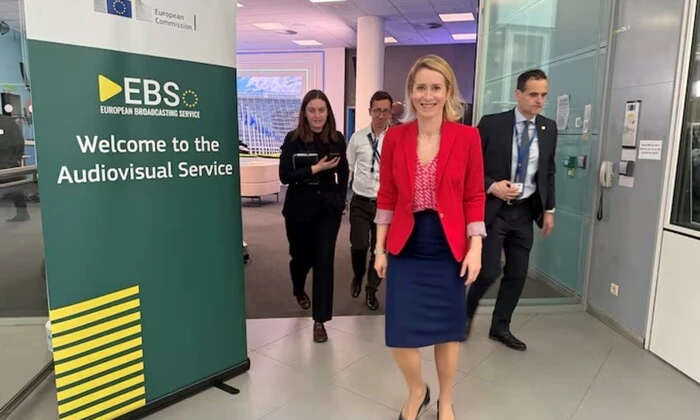
EU Position on the War Against Iran
According to Главком: Kaja Kallas, the European Union's High Representative for Foreign Affairs and Security Policy, has outlined the bloc's stance concerning the conflict with Iran, US policy, and maritime security in the Strait of Hormuz. The EU has expressed concern over the lack of prior consultation with Brussels before the onset of hostilities. Many European politicians attempted to persuade the United States and Israel against initiating a war with Iran, but these efforts ultimately proved unsuccessful.
Kallas noted that since Donald Trump's return to the White House, the European Union has had to account more for the unpredictability of US foreign policy. She emphasized that
"While we are America's allies, we have not fully understood their recent actions,"
adding that
"We are also prepared to invest effort in our transatlantic partnership, which is facing serious challenges. But it takes two to tango."
This reflects a broader European anxiety about unilateral moves by major powers that can destabilize global security.
Naval Operation in the Strait of Hormuz
EU member states are currently unwilling to alter the mandate of the naval mission in the Strait of Hormuz due to risks to personnel. Kallas stated,
"As I said yesterday, member states currently have no desire to change this operation's mandate, especially as the Red Sea remains a critical area. Therefore, no one is prepared to expose their personnel to danger in the Strait of Hormuz."
She also underscored the necessity of finding diplomatic avenues to keep the strait open to avoid crises in food, fertilizer, and energy supplies.
"We must find diplomatic paths to keep the strait open and prevent a food crisis, a fertilizer crisis, and a crisis in the energy sector,"
Kallas remarked.
EU countries are not interested in concluding new energy agreements with Russia and have no desire to resume energy cooperation talks with Moscow. These factors indicate that the European Union is maintaining a cautious position amid global geopolitical shifts and rising regional tensions.
The statements by Kaja Kallas illustrate the EU's growing concern over US actions in the context of the Iran conflict, highlighting the critical importance of the transatlantic partnership. Simultaneously, the refusal to pursue new energy deals with Russia points to an EU strategy focused on diversifying its energy sources to address global challenges, including ensuring stability in the energy sector and preventing crises in food and fertilizer supplies.
As tensions escalate in the region, the EU is also weighing its options regarding the security of vital maritime routes. The ongoing discussions about potential changes to naval operations in the Strait of Hormuz highlight the bloc's commitment to safeguarding its interests amidst shifting geopolitical dynamics. This reflects a growing recognition of the need for a coordinated European response to ensure stability and prevent crises linked to vital supply chains.

Read also