Why EU Foreign Policy Chief Kaja Kallas Urges Asian Nations to Reject Russian Oil

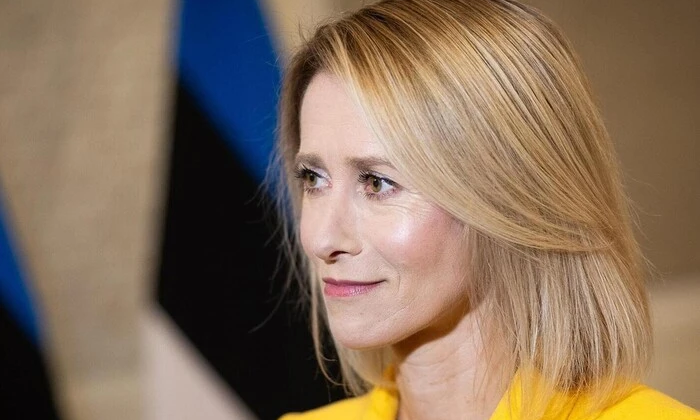
Kaja Kallas Appeals to Southeast Asian Countries
According to Главком: The European Union's top diplomat, Kaja Kallas, has called on Southeast Asian nations to avoid turning to Russia as an alternative fuel supplier. This plea comes in response to an energy shortage triggered by escalating tensions in the Middle East and the blockade of the Strait of Hormuz. Kallas stressed that the revenue Russia earns from oil sales is being channeled into funding its war efforts.
During her visit to Brunei, Kallas met with foreign ministers from the Association of Southeast Asian Nations (ASEAN). She urged them to look beyond the immediate energy crisis and consider the broader implications:
“Let me remind you that oil revenues are the funds Russia uses to finance the war. We have a vested interest in bringing this war to an end.” - Kaja Kallas
Kallas further warned that continued purchases of Russian oil by Asian countries would enable Moscow to sustain its military campaign:
“You are facing an energy crisis and need supplies. On the other hand, you must see the bigger picture-namely, that... if you buy Russian oil, they will be able to continue this war.” - Kaja Kallas
The Oil Market Situation
Moscow is attempting to exploit the fallout from the conflict involving Israel, the United States, and Iran. The Strait of Hormuz, through which one-fifth of the world's oil and gas shipments pass, is effectively blocked. As a result, several Asian nations-including Vietnam, Thailand, the Philippines, and Indonesia-are considering ramping up their imports of Russian crude. However, the 27-member European Union is seeking closer cooperation with ASEAN on enforcing sanctions against Russia.
Notably, in April, Russia's oil industry experienced a downturn not seen since the COVID-19 pandemic, with production dropping by hundreds of thousands of barrels per day due to infrastructure damage.
Kallas's appeal underscores the critical need for international coordination on energy security and highlights how economic decisions can shape geopolitical outcomes. The European Union is working to strengthen its global stance by encouraging solidarity amid an energy crisis driven by external factors like Middle Eastern conflicts. Closer ties with ASEAN could prove pivotal in ensuring regional energy stability while maintaining pressure on Russia through sanctions.
As Kaja Kallas emphasizes the urgent need for Southeast Asian nations to reconsider their energy sources, the broader implications of global energy dynamics become increasingly apparent. In a similar context, Trump's comments on energy leadership in the Persian Gulf have raised concerns among oil and gas executives, highlighting the interconnectedness of geopolitical tensions and energy security. Understanding these developments is crucial for comprehending the current landscape of global oil markets.

Read also