The Pole’s Card: How to Obtain It, Who Can Apply, and What Status it Grants in Poland

Poland has become one of the key countries for Ukrainian migrants due to its geographical proximity, linguistic kinship, and culture. Among the many legal ways to stay in this country, the so-called Pole’s Card occupies a special place. Thus, it is logical to ask how to obtain the Pole’s Card and what the Pole’s Card provides in general.
This document does not grant the right to permanent residency but opens up broad opportunities for those with Polish roots or who actively engage in Polish culture. The Pole’s Card is a confirmation of belonging to the Polish nation but does not mean acquiring citizenship. Its holders receive a number of benefits that significantly facilitate adaptation and living in Poland.
As of today, this document remains one of the most effective tools for legalizing residency for individuals of Polish descent. Understanding the application procedure (obtaining the Pole’s Card), the requirements for candidates, and the rights granted by the Pole’s Card is critically important for anyone planning to connect their future with Poland.
What is the Pole’s Card and its Legal Status
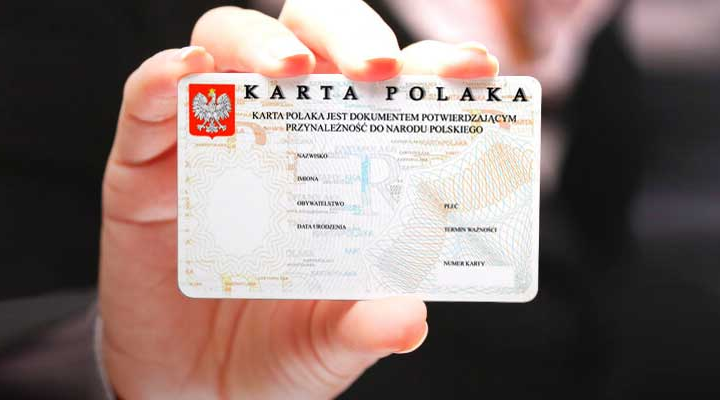
It is worth starting with what the Pole’s Card gives in Poland and who can obtain the Pole’s Card. The Pole’s Card is an official document that confirms a person's belonging to the Polish nation but is not an identity document or a document that grants the right to permanent residence. It is issued in accordance with the Act "On the Pole’s Card," which came into force in 2008 and has since undergone several changes, the latest of which came into effect in 2026.
This document does not confirm Polish citizenship and does not allow crossing the borders of the European Union without a visa. It is a kind of "certificate" of connection with Polish culture, language, and traditions. The Pole’s Card is issued by consuls of the Republic of Poland abroad or by voivodes in Poland itself. It is valid for 10 years. Legally, the Pole’s Card confirms that its holder is of Polish descent who does not hold Polish citizenship and has not received a permanent residency permit. This status is an intermediate step towards obtaining a permanent residency permit and subsequently citizenship.
What the Pole’s Card Provides in Poland
Holding the Pole’s Card grants foreigners numerous practical advantages that significantly ease life and adaptation in Poland. Holders of this document are entitled to:
- Free application for a national D-type visa for long-term residence for study or work purposes.
- Legal employment without the need for a separate work permit.
- Conduct business activities under the same conditions as Polish citizens.
- Free emergency medical assistance.
- Discounts on public transport fares.
- Preferential access to certain cultural and educational institutions.
- The opportunity to receive scholarships under programs for people of Polish descent.
One of the most significant advantages is the simplified procedure for obtaining a permanent residency permit. After one year of continuous residence in Poland based on a national visa, the holder of the Pole’s Card can apply for a permanent residency permit. This significantly shortens the time required for legalization (usually for other categories of foreigners it takes 5 years).
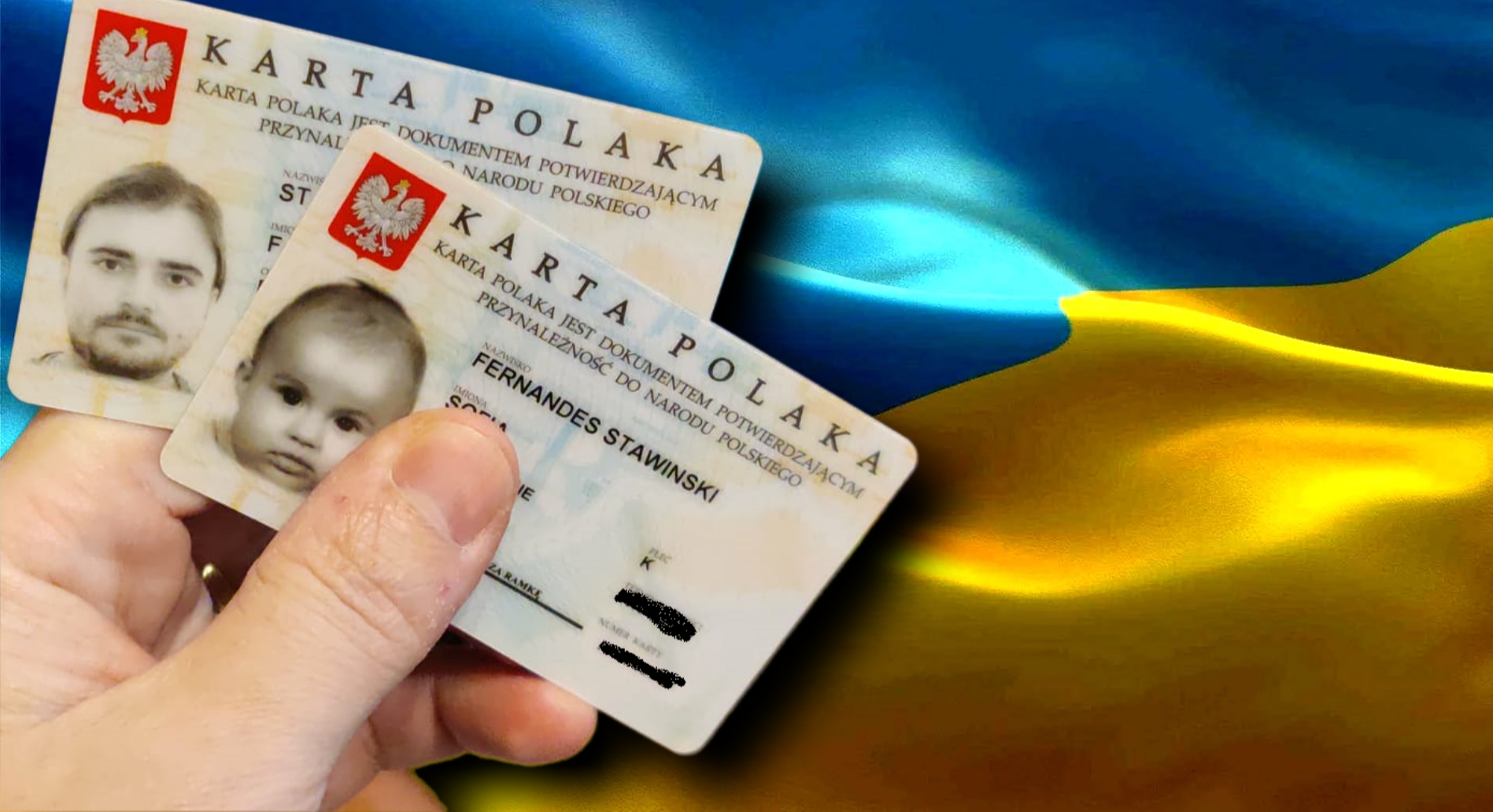
Moreover, language and cultural knowledge, which is confirmed when obtaining the Card, are taken into account during the further naturalization procedure. The Pole’s Card also grants the right to free education in public schools and universities, as well as the opportunity to receive scholarships from the Polish government. This document is a significant argument during the consideration of an application for Polish citizenship.
Who Can Obtain the Pole’s Card: Main Criteria
To understand how Ukrainians can obtain the Pole’s Card, it is essential to know the grounds for obtaining such status. As of 2026, Polish legislation establishes clear requirements for individuals who can apply for the Pole’s Card. The main criterion is to have Polish descent. This can be confirmed by providing documents indicating that at least one of the parents, grandparents, or great-grandparents was Polish by nationality. Moreover, the candidate must meet the following requirements:
- Possess Polish language skills sufficient for everyday communication.
- Declare belonging to the Polish nation.
- Know and respect Polish traditions and customs.
- Not hold Polish citizenship and not obtain a permanent residency permit.
- Submit the application in person at the Polish consulate or the voivodeship office.
Individuals holding Polish citizenship cannot obtain the Pole’s Card (in this case, they simply apply for a passport). Those who previously renounced Polish citizenship or were deprived of it will also be refused. Furthermore, the document is not issued to individuals posing a threat to public order or national security in Poland.
It is worth noting that having Polish relatives is a key factor but not the only one. Even in the absence of direct family ties, one can obtain the Pole’s Card through active involvement in Polish civic organizations and the promotion of Polish culture over the past three years.
How to Obtain the Pole’s Card as a Ukrainian
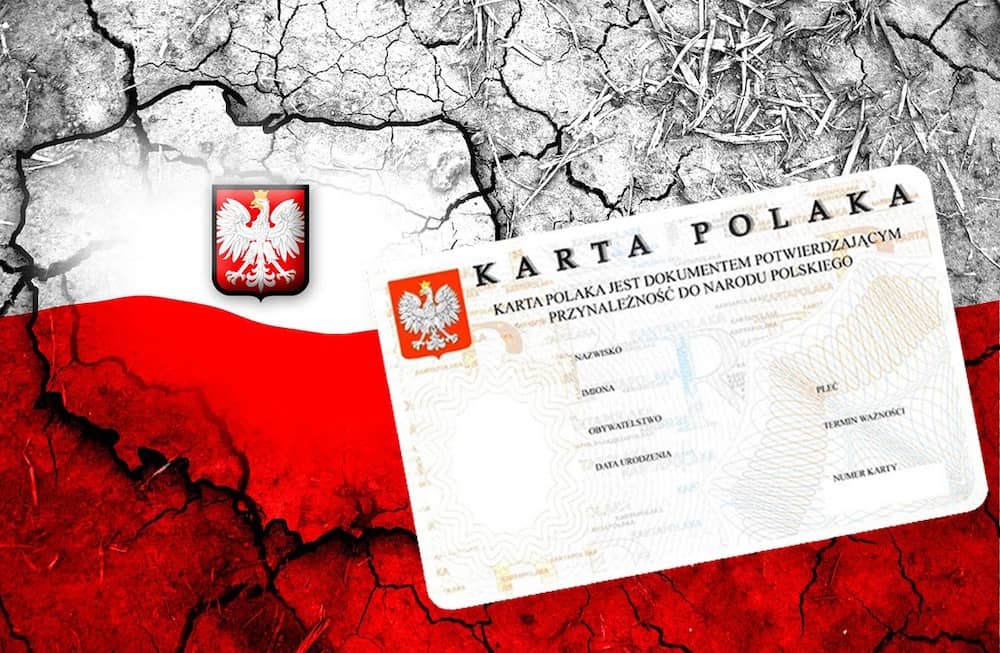
For Ukrainian citizens, the process of obtaining the Pole’s Card is relatively straightforward but requires careful preparation and document collection. The main agency that accepts applications is the consular sections of the Embassy of the Republic of Poland in Ukraine. Consulates are located in Kyiv, Lutsk, Lviv, Odesa, Kharkiv, and Vinnytsia. Applications can only be submitted in person. The algorithm of actions for a Ukrainian is as follows:
- Gather documents confirming Polish descent.
- Confirm proficiency in the Polish language (conversation with the consul or certification).
- Complete the application form of the established sample.
- Pay the consular fee.
- Submit documents personally to the consulate.
- Pass an interview with the consul in Polish.
After a positive decision, the consul issues the Pole’s Card. It is important to note that the review period for applications may take several months. In 2026, due to a large number of applicants, wait times may be significant. Therefore, it is recommended to schedule an appointment in advance. Ukrainian citizens have the right to submit documents either at the consulate in Ukraine or directly in Poland after legal residence on its territory. In the latter case, the application is accepted by the voivode at the place of residence.
Conditions and Grounds for Obtaining the Pole’s Card
The grounds for obtaining the Pole’s Card can be divided into several categories. These include:
- Polish descent: confirmed by documents about the birth of parents, grandparents, or great-grandparents. This is the most common ground. It is essential that at least one of the ancestors was Polish by nationality.
- Activity in Polish organizations: if an individual has actively participated in the activities of Polish civic associations for the last three years, they can obtain the Card without confirming family ties.
- Knowledge of the language and culture: the candidate is required to communicate fluently in Polish and demonstrate knowledge of traditions. The language level should be sufficient for conducting a dialogue.
- Absence of Polish citizenship: this is a mandatory condition. If an individual holds a Polish passport, they do not need the Card.
- Declaration of belonging to the Polish nation: the candidate must declare in writing their belonging to the Polish nation.
Refusal to issue the Pole’s Card may occur due to false information in documents, insufficient language knowledge, or if the individual has previously renounced Polish citizenship.
How the Process of Obtaining the Pole’s Card Works
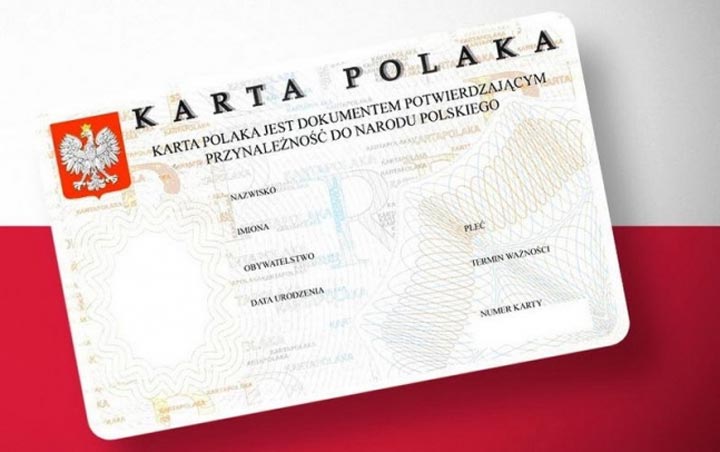
The process of obtaining the Pole’s Card consists of several key stages. Understanding each of them will help avoid mistakes.
The first stage is document collection. The primary document is the birth certificates confirming family ties. If the documents are lost, it is possible to refer to archives. All documents must be translated into Polish by a sworn translator.
The second stage is submitting the application. The completed form is submitted in person to the consulate. Originals of the documents need to be presented. The consular fee is paid on-site.
The third stage is the interview. The consul speaks with the candidate in Polish, asking questions about Polish traditions, history, and culture. The purpose of the interview is to check the level of language proficiency and the sincerity of intentions. The duration of the interview usually lasts 15-30 minutes.
The fourth stage is waiting for the decision. The consul checks the submitted documents and makes a decision. The usual review period for applications can take several months. The decision is communicated in writing.
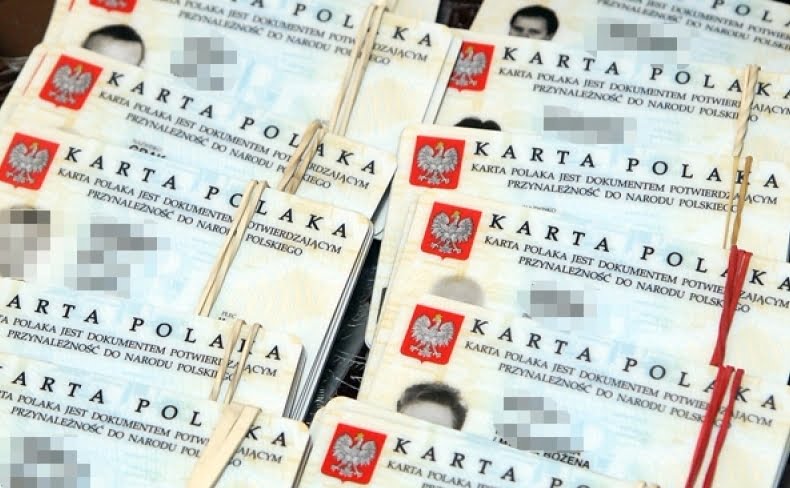
The fifth stage is obtaining the Card. After a positive decision, the consul issues the Pole’s Card. The document is produced on a special form and contains the owner’s photograph. The Card can be obtained in person. The first Card is issued for a period of 10 years.
How to Make the Pole’s Card: Stages of the Application Process
The process of applying for the Pole’s Card requires patience and careful preparation. The entire process can be conditionally divided into six sequential stages, each with its nuances.
The first stage is preliminary preparation. At this stage, it is necessary to determine the grounds for obtaining the Card (Polish descent or activity in Polish organizations), find all necessary documents (birth certificates, marriage certificates, archive certificates), and assess the level of Polish language proficiency. It is recommended to begin studying Polish history and culture in advance, as questions in the interview may relate to national symbols, historical figures, and state holidays. It is also advisable to find a sworn translator who can certify document translations.
The second stage is gathering and legalizing documents. All documents issued in Ukraine must be translated into Polish by a sworn translator registered with the Polish Ministry of Justice. The translation must be certified with the translator’s stamp and signature. The originals of the documents should be shown to the consul during the application submission.

The third stage is filling out the application. The application for the Pole’s Card should be filled out in Polish using block letters. It can be downloaded from the consulate's website or obtained directly at the institution. The application must contain personal data, information about Polish ancestors, justification of language and culture knowledge. Errors or inaccuracies in the application may be grounds for refusal. Therefore, it should be filled out very carefully, preferably with help from individuals who have already gone through this process.
The fourth stage is registration in the consular system. Registration for application submission is done through the consular registration electronic system. Pre-registration is mandatory. Due to the large number of applicants, available slots may appear several months in advance. Therefore, planning a visit to the consulate should be done ahead of time.
The fifth stage is a personal visit to the consulate. On the appointed day, one must personally arrive at the consulate with the complete package of documents. The consul checks the documents, asks questions in Polish, and conducts the interview. The duration of the visit usually lasts from 30 to 60 minutes. After the interview, the consul informs about the next steps and the processing timeline of the application.
The sixth stage is obtaining the Card. In case of a positive decision, the consul informs about the document's readiness. The Pole’s Card can be collected in person. The processing time for the document after the application approval is from 30 to 90 days.
Confirmation of Polish Descent or Connection with Polish Culture
The most common ground for obtaining the Pole’s Card is confirming Polish descent. This means that the applicant must prove that at least one of their parents, grandparents, or great-grandparents was Polish by nationality. The main documents for confirmation are birth certificates, marriage certificates, archive certificates. These documents must state the nationality as "Polish" or "Polish woman." If the surname has changed (for example, due to marriage), documents confirming this change must be provided. In the absence of direct documents, indirect evidence can be submitted: residence certificates, witness testimonies.
An alternative way is to confirm active ties with Polish culture. This path is suitable for individuals who lack Polish roots but have actively participated in the activities of Polish civic organizations over the past three years. This can be confirmed through certificates from such organizations, diplomas, or acknowledgements. It is important that this method is more complex and requires significant effort to promote Polish culture. Consuls carefully check the sincerity of such activities.
In any case, knowledge of the Polish language is mandatory. The language level must be adequate for conducting dialogue on everyday topics, describing oneself and one’s family, as well as for answering questions about Polish culture, history, and traditions. Proficiency can be confirmed either during conversation with the consul or by using a language certification issued by authorized bodies.
Common Mistakes and Reasons for Refusal to Issue the Pole’s Card
Statistics show that a significant number of applicants are refused the Pole’s Card due to typical mistakes. Knowing these mistakes will help prepare correctly.
The most common reasons for refusal include:
- Insufficient proficiency in the Polish language. The consul evaluates not only vocabulary but also listening comprehension, the ability to construct complex sentences, and the use of appropriate vocabulary. The interview is a decisive stage.
- Failure to provide all necessary documents. The absence of a birth certificate of any relative can prove fatal.
- Unproven Polish descent. If the nationality is not indicated on the relatives' birth documents or another nationality is indicated, the consul may refuse. Archive certificates confirming nationality must be provided.
- Incorrectly formatted translations of documents. The translation must be performed by a sworn translator. Amateur translations are not accepted.
- False information in the application. If the consul discovers that the applicant deliberately provided false information, the issuance of the Card will be denied, and the possibility of reapplying will be complicated.
- Disrespect for Polish symbols or traditions. During the interview, one should behave respectfully, avoiding criticism of the Polish state or history.
- Lack of active ties with Polish culture (for the second category of applicants). Merely being a member of an organization is insufficient; real activity is needed.
In case of a refusal, the applicant has the right to appeal the consul’s decision administratively. For this, it is necessary to submit a complaint to the Polish Ministry of Internal Affairs. However, it is best to prepare thoroughly for the initial inquiry. Reapplication is possible after the reasons for refusal are rectified.

Read also