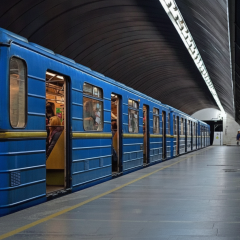
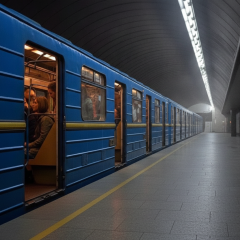
Three Kyiv Metro Stations Close Ticket Booths: How Passengers Will Pay Now


Kyiv Metro Goes Digital
According to Главком: On April 28, 2026, the Kyiv Metro stopped operating ticket booths at Vokzalna, Pochaina, and Vydubychi stations, making a complete shift to digital payments. This move aligns with a worldwide trend where traditional ticket counters are being replaced by automated payment systems, cutting costs and improving convenience for riders. An analysis of payment systems in metro networks across different global cities shows how the role of cashiers is changing and how new technologies are being adopted.
Global Trends in Metro Automation
In the New York City subway, the OMNY system became the only payment option as of January 1, 2026. This marks a full digital transformation, allowing passengers to pay for rides using bank cards. Similar changes happened in London, where almost all traditional ticket windows were closed in 2015–2016. In London, paper tickets cost nearly twice as much as a trip paid for with a bank card, encouraging passengers to choose cheaper alternatives.
The Tokyo Metro offers another example of successful automation: over 95% of transactions are handled by machines, simplifying the ticket-buying process. In Shanghai, which has a metro network spanning more than 800 km, the system carries over 10–12 million passengers on peak days. Shanghai's universal transport card has a refundable deposit of 20 yuan, adding to user convenience.
The Paris Metro still offers the option to buy tickets from staffed booths, but often only one entrance per station has a booth open. A single ticket in Paris is valid for two hours after validation, which is another example of adaptation to digital standards.
A common trend across all these metro systems is the transformation of cashiers into service and technical support staff. As the London Underground puts it:
“Your cashier is your bank”
, highlighting the new role of employees in customer service.
Thus, April 28, 2026, marked an important milestone for the Kyiv Metro, which joined the global trend of digitalizing transport systems, reducing the need for traditional ticket booths and improving service for passengers.
The Kyiv Metro's shift to a digital-only model reflects its drive to meet modern technological demands and enhance the passenger experience. This step could simplify travel within the city and make it more accessible, especially for younger riders and those accustomed to using digital technology. The global push for digitalization in transportation may also encourage further investment in metro infrastructure and other public transit options.
As the Kyiv Metro embraces a fully digital payment system, understanding the implications of this shift is crucial for passengers. For a deeper insight into how this transition compares with other major cities, including the closure of the last ticket booths in Kyiv, check out our article on the last ticket booths in the city and new payment methods.

Read also