North Korea's Leadership Shuffle: Kim Jong Un Reappointed, Daughter's Role Sparks Succession Debate

Political Developments in North Korea
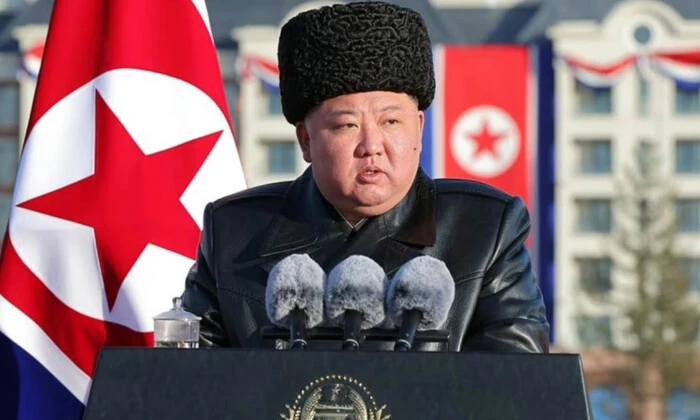
According to Главком: North Korean state media recently condemned the actions of the United States and Israel against Iran, but made no mention of the death of Ayatollah Ali Khamenei. The nation's leader, Kim Jong Un, is meticulously analyzing every step of American operations, demonstrating a restrained and cautious approach in his responses. For decades, the DPRK has worked to perfect its system for protecting its leader, which includes extensive underground bunkers and specialized security units. This focus on security intensified after the 2003 U.S. invasion of Iraq, when Kim Jong Il vanished from public view, highlighting the regime's fear of potential threats.
In the current geopolitical climate, North Korea has officially declared its nuclear status 'irreversible,' underscoring its intent to retain this capability as its primary trump card in international affairs. In a significant internal move, Kim Jong Un has appointed his 13-year-old daughter, Kim Ju Ae, to a leadership position within the missile administration, fueling widespread discussion about her potential future role. South Korea's National Intelligence Service has identified Kim Ju Ae as the 'most likely candidate' to succeed her father as the next leader of North Korea.
Internal Changes and International Challenges
Furthermore, the ruling Workers' Party of Korea has reappointed Kim Jong Un as its General Secretary. Amid regional instability and broader international challenges, Kim Jong Un and his administration appear hesitant about re-engaging in diplomacy with Donald Trump, a caution informed by the failed Hanoi summit in 2019. This raises critical questions about the DPRK's next steps on the global stage. The situation under Kim Jong Un remains tense, shaped by these persistent international pressures and internal shifts.
The appointment of Kim Ju Ae to a key post in the missile program strongly suggests the regime is planning for dynastic succession, a move with potential long-term consequences for regional stability. North Korea's unwavering stance on its nuclear arsenal and its attempts to maintain influence internationally continue to be the cornerstones of its foreign policy, presenting an ongoing challenge to global security frameworks.

Read also