Analyst Outlines Three Key Obstacles to Chinese Military Aid for Iran

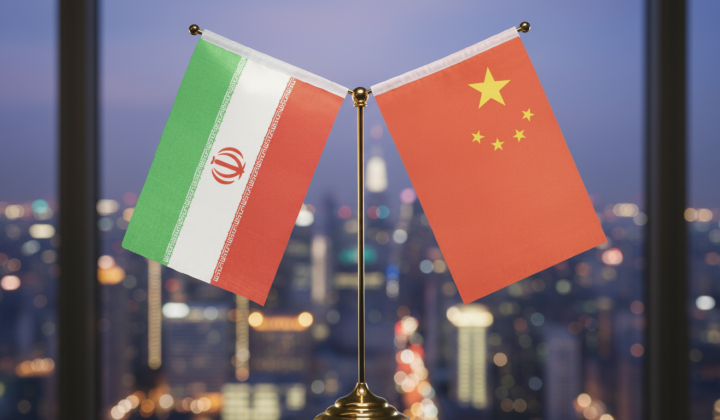
China's Military Support for Iran
According to ХВИЛЯ: Analyst George Friedman argues that China lacks the physical capability to support Iran in a hypothetical war against the United States and Israel, citing a series of military, logistical, and political hurdles. He notes that the distance to Iran complicates China's ability to rapidly deploy military force, while the delivery of weapons is hindered by Iran's lack of direct sea access and the closure of the Strait of Hormuz. This assessment comes amid longstanding tensions in the Middle East, where China has significant economic interests.
Friedman emphasizes that Beijing's primary interest in the region is oil.
"The Chinese are not capable of easily applying military force at a distance and are not interested in getting involved,"
he stated. The expert also points out that nations act according to their own interests:
"Nations do what is in their interest, and that is the only thing you can rely on. The idea that an alliance is a marriage, in which the parties are devoted to each other forever, is irrational."
Primary Obstacles for China
The main barriers preventing China from offering potential support to Iran are threefold:
- The vast geographical distance to Iran
- The inherent difficulty of projecting military power over such a distance
- Major challenges in delivering military resources and supplies
Historically, China has demonstrated military activity in disputes, such as during border clashes with India and by providing aid to Vietnam during the Vietnam War. However, these instances do not indicate a readiness to engage in a conflict on the scale of a hypothetical war involving Iran.
Friedman's analysis underscores the complexity of geopolitical relations in the Middle East, where the interests of major powers frequently clash. While China is a significant global player, its capacity for military intervention in distant conflicts is limited, a factor that will likely influence its future strategic decisions. Understanding these constraints is crucial for forecasting developments in the region and the broader landscape of international relations.
As tensions in the Middle East continue to evolve, understanding Beijing's restrained approach towards Iran becomes increasingly important. The interplay of military capability and geopolitical interests shapes China's foreign policy, highlighting the complexities behind its decisions in the region.

Read also