China Pressures Iran Over Strait of Hormuz, Demanding Ceasefire to Protect Its Oil Supply

China's Economic Leverage Over Iran
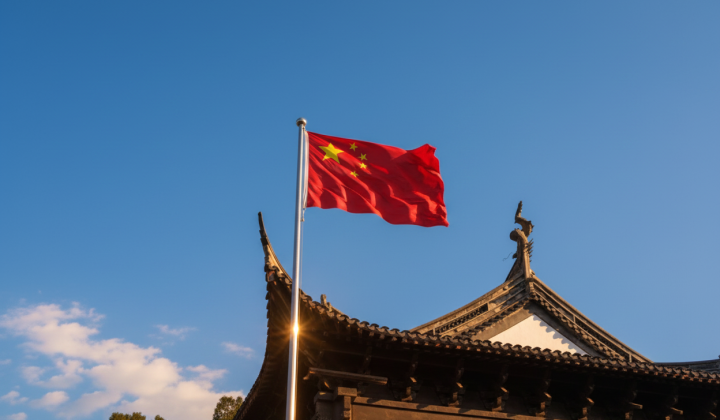
According to Главком: As the largest buyer of Iranian crude oil, China is actively using its economic influence to pressure Iran into agreeing to a ceasefire. This move is driven by China's need to protect its own economic security, which is threatened by the potential blockade of the Strait of Hormuz-a vital waterway for roughly 20% of the world's oil shipments. While China is avoiding any military commitments, it intends to leverage this situation to push the United States into lifting sanctions. The Strait is a critical global chokepoint, making its security a paramount concern for energy importers.
New Transit Rules and Their Global Impact
Amidst this tension, the movement of oil tankers through the Strait of Hormuz remains obstructed. In response, Iran plans to implement new transit regulations, categorizing foreign nations into three distinct groups:
- hostile,
- neutral,
- friendly.
This policy could significantly reshape international relations in the region and disrupt global energy markets.
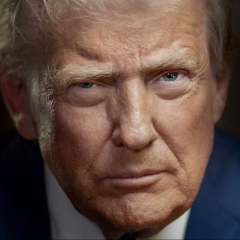
Demonstrating its push for regional stability, China has also consulted with Pakistan to secure a two-week truce. Concurrently, U.S. President Donald Trump warned Tehran against plans to impose transit fees for tankers, stating on his Truth Social platform:
“such actions are unacceptable and called for an immediate abandonment of this initiative”
- Donald Trump. This remark underscores the ongoing friction between the U.S. and Iran and highlights China's emerging role as a mediator in this geopolitical standoff.
The unfolding scenario illustrates the complex interplay of economic interests, security concerns, and political ambitions in the Middle East. Iran's proposed transit rules could either spark new conflicts or pave the way for diplomatic reconciliation, depending on the reactions of other international actors. By attempting to stabilize the situation, China may play a pivotal role in forging new economic and political alliances, which would, in turn, have profound consequences for global energy markets and the broader geopolitical landscape.
As tensions escalate, China's role as a mediator is becoming increasingly significant. The recent announcement of a ceasefire and negotiations between Iran and the U.S. highlights the intricate dynamics at play. This development not only aims to stabilize the region but also reflects China's strategic interests in maintaining its oil supply routes through the Strait of Hormuz.

Read also