Beijing Bars Its Firms from Adhering to U.S. Sanctions on Iranian Oil

Prohibition Against Complying with American Restrictions
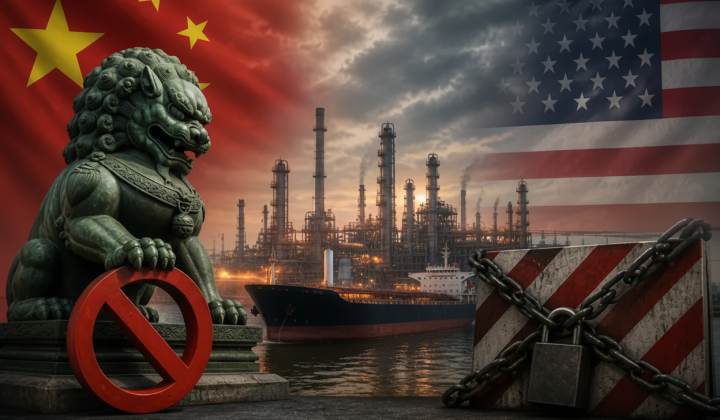
According to Главком: China has formally prohibited its companies from following U.S. sanctions targeting refineries involved in Iranian oil trade. The directive, issued by China’s Ministry of Commerce, marks the first application of a blocking statute enacted in 2021. This ban covers the recognition, enforcement, and observance of American limitations on five entities, including Hengli Petrochemical Refinery Co.
Implications for China’s Economy
As one of the largest buyers of Iranian crude, China now forces its firms to choose between Washington’s demands and Beijing’s orders. This could shift financial settlement methods, with banks increasingly adopting yuan-based transactions to reduce reliance on the U.S. dollar.
The prohibition arrives just weeks before an anticipated meeting between Chinese leader Xi Jinping and U.S. President Donald Trump. It highlights growing friction between the two nations and underscores China’s determination to defend its economic interests amid international sanctions.
This move signals China’s expanding economic autonomy and its willingness to resist pressure from the United States.
On global markets, the decision could significantly impact energy security and oil prices. As one of the world’s largest energy consumers, China continues to strengthen ties with Iran. It may also reshape international financial systems, boosting demand for alternative currencies in petroleum trade.
In light of China's recent directive, it's essential to consider the broader implications of this stance. The government's order to its companies to disregard U.S. sanctions echoes a similar move where Beijing mandated firms to reject American restrictions. This trend not only highlights the growing tensions between China and the U.S. but also suggests a potential shift in global economic dynamics, particularly in energy trade.

Read also