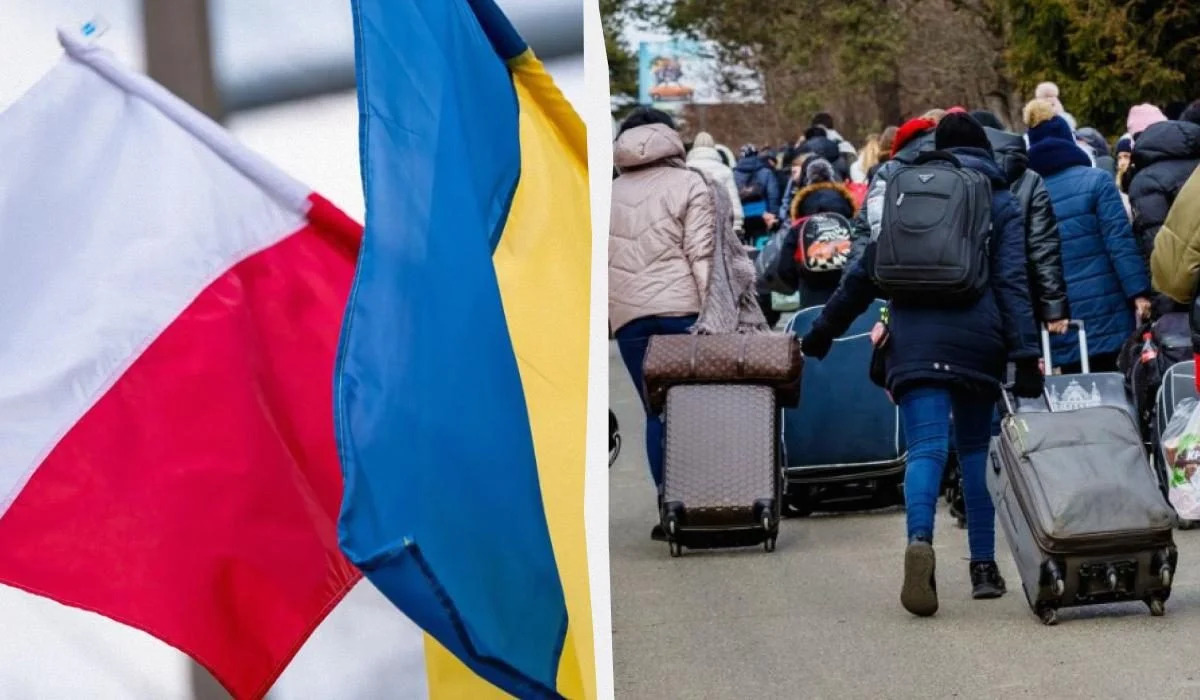
Border controls stay in place as Italy dismisses Spanish ultimatums

Rome’s reply to Madrid’s demands
According to Укрінформ — Мігранти: Italy has rebuffed Spain’s call to remove checks on its internal air and sea borders. The decision follows the huge migrant influx around the Spanish exclave of Ceuta, where about 50,000 people entered from Morocco on July 31 within a single day. The Italian government says inspections will remain in force at least until August 15, citing security risks and an anticipated new migration surge.
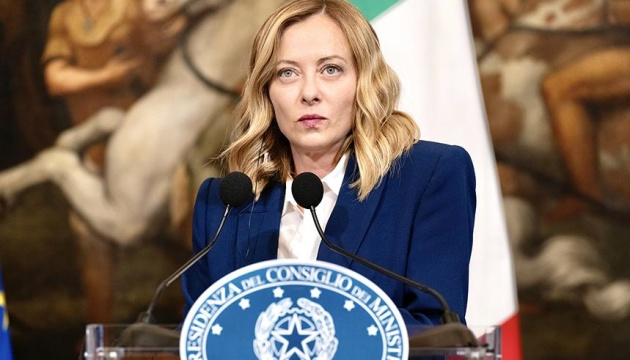
Spain had warned it would take proportionate action if Rome refused to end the checks and lift the temporary suspension of the Schengen agreement by August 9. Italian Prime Minister Giorgia Meloni responded firmly:
“Italy does not accept ultimatums or demands from abroad on matters of national security and border control.”
Europe’s migration challenge
The Italian government went on to say that
“only once we are sure there are no security or terrorism risks for Italy, no new wave is coming, and no irregular migrants are heading toward European territory, can the decisions already taken be reviewed.”
More than 48,300 irregular migrants have reportedly returned from Ceuta to Morocco.
Migration pressures remain high, and Italy is determined to keep controlling its frontiers against the growing risks. The dispute highlights the strains inside Europe's border-free Schengen area, where temporary internal checks are legally possible but diplomatically sensitive.
This episode underscores how hard it is for EU states to reconcile national security with international obligations. As migrant arrivals rise, Italy’s hard line may deepen disagreements within the bloc, making coordinated management of migration flows ever more urgent.
The ongoing tensions surrounding border controls are indicative of broader issues within the EU regarding migration management. As Italy stands firm against Spain's demands, Spain's appeal to the EU not to criticize Morocco sheds light on the complexities of international relations amid the crisis. This situation not only affects bilateral ties but also raises questions about the EU's collective response to migration challenges.

Read also