Humanoid Robot Debuts on the Factory Floor at Chinese Automaker Seres

Seres Unveils Humanoid Robot Development
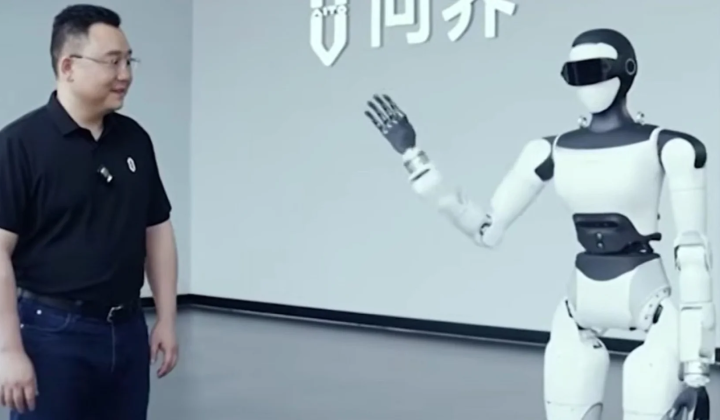
According to НВ — Техно: On June 17 at 9:30 PM, the company announced a humanoid robot capable of visual recognition, autonomous greetings, and voice-based conversation. Seres leadership revealed plans to launch several similar models by year's end. These advancements are part of a broader digital ecosystem the company has deployed, which includes over 1,600 smart devices and 3,000 industrial robots operating at the facility.
Cutting-Edge Technologies in Use
The Seres factory leverages advanced technologies like 5G, the Internet of Things (IoT), big data, and digital twins. Specifically, the Xiaosai 01 model handles quality control during chassis assembly, while the Xiaosai 02 inspects the exterior of finished vehicles. As part of its strategy, Seres has partnered with Volcengine, a ByteDance subsidiary, focusing on decision-making systems and cloud-based multimodal data exchange.
Separately, Hyundai plans to deploy over 25,000 Atlas humanoid robots in the United States by 2028, with an annual production rate potentially reaching 30,000 units. Chinese brands Xpeng and BYD are also accelerating their efforts in this field. Meanwhile, Aimoga, backed by Chery, has begun direct retail sales of its own humanoid robots, priced at around $42,260.
The development of humanoid robots, as seen with Seres, underscores the growing integration of automation and artificial intelligence into industry. This not only boosts production efficiency but also opens up new consumer possibilities, potentially reshaping the labor market. Competition among companies in this sector-ranging from established players like Hyundai to emerging Chinese manufacturers-points to significant growth in the humanoid robot market in the coming years.
The advancements in humanoid robotics are not limited to Seres. For instance, Zoomlion's latest model has captured attention with its impressive Tai Chi performance, showcasing the versatility and potential of robots in various applications. As the industry continues to evolve, these innovations highlight the competitive landscape and the diverse capabilities being developed by companies worldwide.

Read also