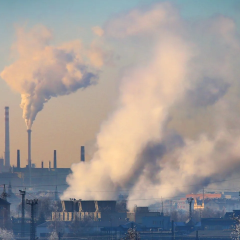
Heat-Related Deaths Reach 710,000 in 2023 as Climate Crisis Declared a Global Health Emergency

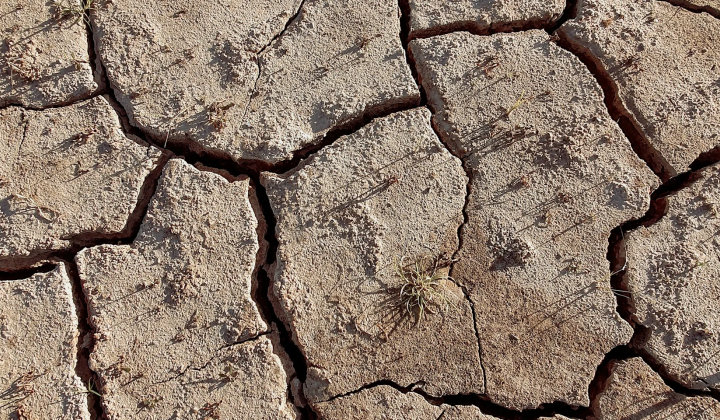
Experts Urge Recognition of Climate Change as a Critical Global Health Threat
According to НВ — Техно: On October 28, 2023, over 140 leading international specialists involved in The Lancet Countdown 2026 project issued a call to officially designate climate change as a global health emergency. This appeal comes in response to unprecedented heat-related mortality rates and substantial economic damages linked to the ongoing climate crisis. Drawing on a decade of data monitoring environmental impacts on human health, these experts highlight the slow pace of international action addressing this escalating threat.
According to their findings, heatwaves caused approximately 710,000 deaths worldwide in 2023, with 71.5% of these fatalities directly attributable to climate change. Between 2016 and 2023, the annual average death toll from extreme heat reached 540,800, with climate-related factors rising from 55% in the previous decade to 68%. The most severely affected regions include Southeast Asia and Africa, where economies heavily rely on agriculture and construction. Furthermore, global productivity losses due to heat-related work disruptions are projected to hit $1.07 trillion by 2025.
How the Climate Crisis Threatens Health and Economic Stability
Beyond the tragic loss of life, the climate emergency intensifies food and water shortages by driving prolonged droughts and exacerbates burdens on healthcare systems through increased outbreaks of infectious diseases. The experts urge organizations such as the World Health Organization (WHO) and the United Nations (UN) to lead coordinated efforts among governments worldwide, prioritizing human health in climate policies. Key recommendations include:
- phasing out fossil fuel extraction;
- boosting grant funding for environmental initiatives.
Marina Romanello emphasized: "Despite advances in clean energy transitions and healthcare preparedness, the overall response speed remains alarmingly inadequate."
This expert appeal underscores the urgent need for decisive action against climate change, which is already severely impacting global health and economic resilience.
Declaring climate change a health emergency draws attention to the critical necessity of immediate interventions to prevent further loss of life and economic damage. With rising mortality rates and economic costs, the global community faces mounting pressure to respond swiftly to climate-related crises, protect vulnerable populations, and strengthen healthcare systems’ resilience. Achieving this demands close collaboration between nations and international bodies to develop effective adaptation and mitigation strategies.
As the climate crisis escalates, understanding its multifaceted threats becomes increasingly important. The urgent call from experts to recognize climate change as a global health emergency highlights just one aspect of the broader challenges humanity faces today. For a deeper insight into the various risks, including technological threats and geopolitical tensions, explore the impacts of key dangers confronting humanity in the 21st century.

Read also