Koh Lipe's Paradise Lost: How a Tourist Boom Transformed an Island in 19 Years

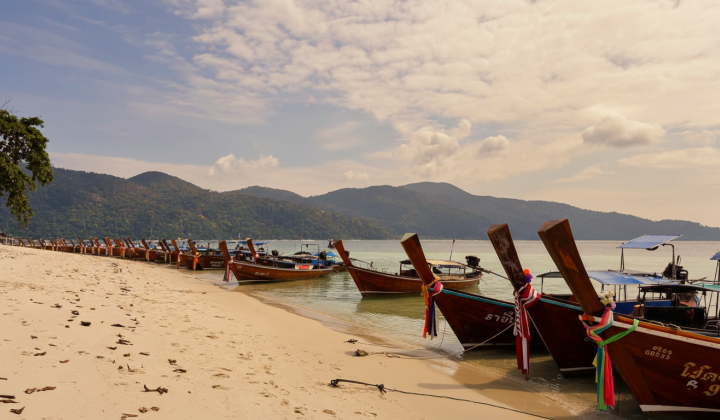
The Transformation of Koh Lipe
According to Nomadic Matt: Returning to the Thai island of Koh Lipe after 19 years, the author observed dramatic changes driven by excessive tourist development, which has severely impacted its infrastructure, ecology, and social fabric. In 2006, electricity was available only a few hours per day, and basic beachfront bungalows cost around $2. Now, much of the island is paved, and the old walking paths have been replaced by concrete roads for cars and construction vehicles.
Ecological and Social Consequences
The changes are stark: luxury resorts with swimming pools have replaced palm groves. This development is particularly challenging as the island lacks a natural freshwater supply. Construction continues at a rapid pace despite these environmental strains. The surrounding coral reefs are dying due to anchor damage from boats, pollution, and overfishing. The beaches are crowded with vessels, their exhaust fumes further degrading the water quality.
The tourism boom has also triggered social upheaval. Many local residents have been displaced from their homes, forced to sell land to mainland developers. Most of the island's workforce now consists of mainlanders, indicating a fundamental shift in the community's social structure. While Koh Lipe remains accessible via ferry from Langkawi, Malaysia, the author suggests considering alternative, less-developed islands such as:
- Koh Lanta
- Koh Jam
- Koh Muk
These islands may offer more appealing options for visitors seeking a less commercialized experience.
The transformation of Koh Lipe reflects a common pattern of tourist development in many popular destinations, where natural resources and cultural heritage are placed at serious risk by commercialization.
This underscores the critical need to balance ecological health and social equity against growing tourist numbers. Situated in the Andaman Sea near the Thai-Malaysian border, Koh Lipe's story is a cautionary tale for Southeast Asia. By choosing less-developed destinations, travelers can help preserve fragile ecosystems and support local communities, which is vital for the sustainable development of such regions.

Read also