Ex-Odessa Council Deputy Avoids Prison in Illicit Enrichment Case: Court's Terms

Verdict from the High Anti-Corruption Court
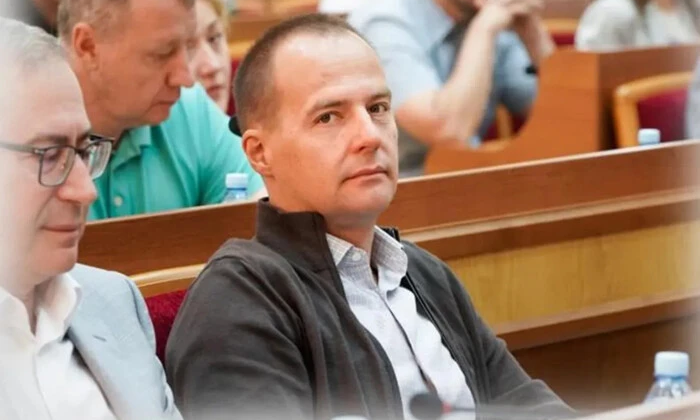
According to Главком: The High Anti-Corruption Court has approved a plea bargain for a former deputy of the Odessa Regional Council in an illicit enrichment case. While the court imposed a five-year prison sentence, it released the defendant from serving the term. Instead, he is required to pay funds into the state budget and to support the Armed Forces of Ukraine.
The case was heard on April 9, 2026. The defendant acquired real estate, including a residential house and structures in a dacha-building cooperative in the Odessa region during 2023-2024. The investigation established that the amount of unexplained income was 11,021,837 hryvnias. According to the verdict, the punishment is not being enforced based on Part 2 of Article 75 of the Criminal Code of Ukraine. The court also set a probationary period with obligations under clauses 1 and 2 of Part 1 of Article 76 of the Criminal Code of Ukraine.
Significance of This Case
The ruling will become legally binding 30 days after its announcement if no appeal is filed. It is noteworthy that Ukraine's National Anti-Corruption Bureau (NABU) and Specialized Anti-Corruption Prosecutor's Office (SAPO) had previously served a notice of suspicion to Member of Parliament Oleksandr Kachny regarding illicit enrichment. This case is part of a broader, ongoing effort to hold Ukrainian officials accountable for unexplained wealth, a critical issue for a nation at war. The allegations against Kachny involved purchasing a seaside cottage and land on the Black Sea coast, as well as a 132.6-square-meter apartment in central Kyiv, with the amount of income discrepancy reaching nearly 13 million hryvnias.
The accused in the Odessa case is obligated to transfer 11 million hryvnias, equivalent to the proceeds of the crime, to the state budget, and an additional 2 million hryvnias to support the Armed Forces of Ukraine through the 'Come Back Alive' charitable foundation. This agreement underscores the state's dual commitment to combating corruption and funding military needs during the ongoing conflict.
This case reflects the efforts of the Ukrainian authorities to fight corruption, especially under wartime conditions, when the country's resources are critically important for maintaining defense capabilities.
The mandated payments to the state budget and the military send a clear signal that state bodies aim not only to punish offenders but also to channel funds toward vital national priorities. This process, along with similar cases, could influence public attitudes toward corruption and set new standards of accountability for public officials.
The recent ruling highlights the ongoing challenges in addressing corruption among Ukrainian officials. Similar to the case of another ex-deputy, who was mandated to pay 13 million hryvnias to evade imprisonment, the current verdict underscores the government's efforts to tackle illicit enrichment. For more insights on this parallel case and its implications, see our detailed report regarding the financial penalties imposed on former officials.

Read also