Former U.S. Diplomat Sees Patriot Missile Shortage as Opening for Gulf State Aid

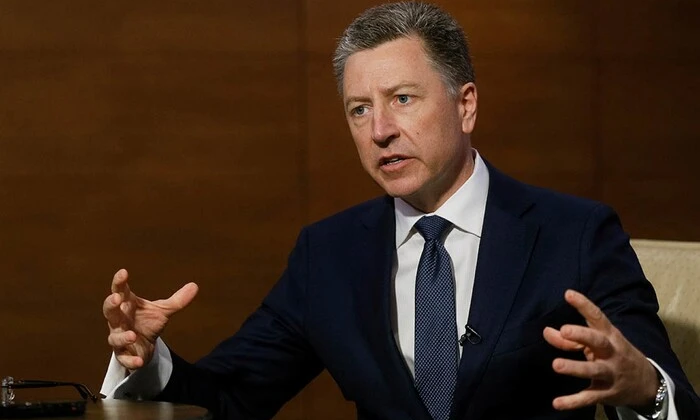
Ukraine Aid Talks Slow Amid Middle East Tensions
According to Главком: Kurt Volker, a former U.S. Special Representative, stated that negotiations for supporting Ukraine have slowed due to the escalating situation in the Middle East. He suggested, however, that this could create new opportunities for cooperation with nations in the Persian Gulf region.
Volker stressed that there is currently a shortage of missiles for Patriot air defense systems. He noted that Russia is being gradually pushed out of the Middle East, losing its footing in Syria, while its ally Iran has been significantly weakened. According to him, Russia lacks substantial influence in countries such as:
- Israel
- Gaza
- Lebanon
- Saudi Arabia
This indicates a weakening of its regional position.
“Russia is being gradually pushed out of the Middle East. It has lost its position in Syria, its ally Iran is significantly weakened. It lacks substantial influence in Israel, Gaza, Lebanon, Saudi Arabia. So its position has weakened considerably. Ukraine can take advantage of this, particularly through its experience with cheap and effective air defense,” Volker noted.
Static Front Lines and Potential Financial Assistance
He further emphasized that the front line in Ukraine is largely static, with Russia unable to make significant advances.
“Russia is doing everything possible to capture or destroy Ukraine, but it is not succeeding. The front line is barely changing. Russia cannot advance significantly. We see attacks on civilian infrastructure that cause damage, but Ukraine is able to withstand it,” said Volker.
He also speculated that if the war in Ukraine continues but the conflict involving Iran concludes, regional countries might provide financial aid to Ukraine, similar to the European Union's support. “If the war in Ukraine continues, but the war in Iran ends-though I doubt that will happen-then they would likely provide Ukraine with some funding to help it withstand attacks until Russia agrees to a ceasefire,” he stated.
Additionally, Volker raised the possibility of a limited Russian operation against Estonia or Lithuania in the coming years. He highlighted that, according to Ukrainian Ambassador to Estonia Volodymyr Boiechko, Tallinn could mobilize up to 50,000 people for defense in the event of aggression from Moscow.
Volker's comments reflect the complex state of international politics, where conflicts in different regions can significantly impact global security. The slowdown in Ukraine aid talks against the backdrop of Middle East tensions underscores the need for international coordination in resolving crises and the potential for a shift in support from traditional partners to new ones. This could open additional avenues for Ukraine in its fight for independence and security amid Russia's ongoing aggression. The evolving dynamics highlight how regional power shifts can create unexpected diplomatic and military opportunities.
As the situation in the Middle East evolves, the implications for global geopolitics become increasingly complex. The ongoing challenges faced by Russia, which finds itself in a strategic deadlock, could further influence its ability to engage in other conflicts. For a deeper understanding of why Russia struggles to achieve victory in Ukraine or to conclude the conflict, explore this analysis that highlights the current limitations of Moscow's strategy.

Read also