NASA’s Swift Space Telescope to Reenter Earth’s Atmosphere Uncontrolled After Nearly Two Decades in Orbit, Risk Remains Extremely Low

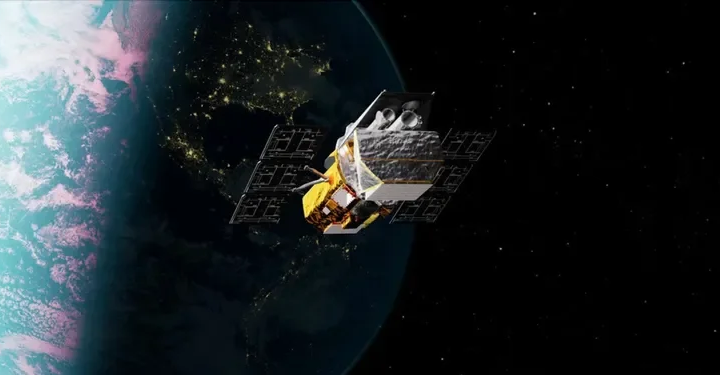
NASA’s Swift Telescope Set for Uncontrolled Reentry
According to НВ — Техно: Launched in November 2004, NASA’s Swift space telescope is approaching an uncontrolled descent back to Earth after almost 20 years of operation. As of October 20, the spacecraft’s orbital altitude had dropped to 275 kilometers, and it weighs approximately 1,500 kilograms. Upon reentry, the telescope will begin to glow and break apart due to intense atmospheric heating. While most of the structure will disintegrate and vaporize, some heat-resistant components may survive and reach the Earth’s surface.
Assessing the Risks and Impact Zones
At around 78 kilometers altitude, the solar panels and antennas are expected to detach from the main body. The debris could fall across oceans and populated areas spanning Africa, Asia, and Latin America. Despite this broad range, the chance of any harm to people remains very low, estimated at less than one incident per 10,000 reentries. The majority of fragments are predicted to land in water, further reducing potential dangers.
The growing challenge of safely deorbiting satellites is becoming increasingly urgent amid the expanding number of spacecraft orbiting Earth. Key heat-resistant elements likely to survive the fiery descent include several heavy reaction wheels, titanium parts, mirrors, and lenses. Swift’s orbit, inclined roughly 21 degrees from the equator, highlights the diverse regions potentially affected by falling debris.
This upcoming reentry of the Swift telescope highlights a critical issue facing the modern space sector: managing satellite end-of-life safely. With the surge in orbital satellites, developing reliable methods for controlled deorbiting is essential to minimize risks to both people and the environment. Having contributed valuable scientific data throughout its mission, Swift’s uncontrolled fall marks the end of an era and underscores the importance of responsible space debris management practices worldwide.
The uncontrolled reentry of NASA’s Swift telescope draws attention to the broader issue of space debris management. Similar incidents, such as the recent breakup of the Soviet Meteor 2-7 satellite, highlight the increasing risks posed by fragmented satellites to operational space crews. Understanding these events is crucial as we strive to develop safer protocols for deorbiting aging satellites.

Read also