EU States Split Over Proposal for Special Envoy to Russia

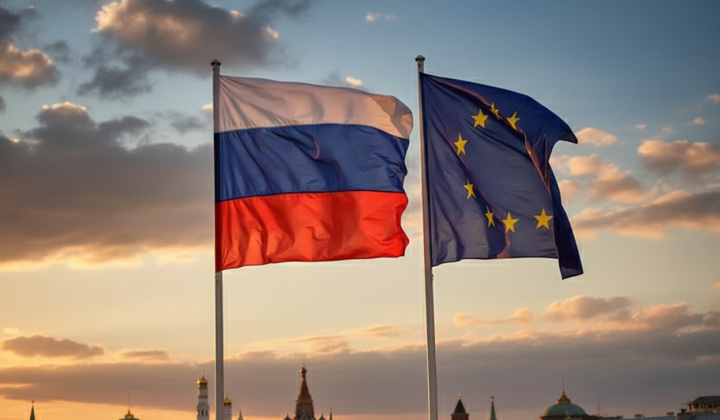
Diverging Views Within the EU on Appointing a Russia Negotiator
According to Главком: Ahead of an informal meeting of EU foreign ministers, member states have clashed over whether to appoint a special envoy to handle contacts with Moscow. Countries that strongly support Ukraine-including Poland, Estonia, and Lithuania-oppose the idea, fearing it could lead to concessions to the Kremlin. This internal rift highlights the broader challenge the bloc faces in balancing diplomatic outreach with steadfast support for Kyiv.
Potential Candidates for the Envoy Role
Several prominent figures have been floated as possible candidates for the position of special representative for Russia talks:
- European Council President António Costa
- Finnish President Alexander Stubb
- Former European Central Bank President Mario Draghi
- Former Finnish President Sauli Niinistö
- Former European Commission President Jean-Claude Juncker
Stubb has signaled he would consider taking on the role, but only if EU leaders formally request it and a sustainable ceasefire is in place.
The situation is further complicated by a phone call on May 24 between French President Emmanuel Macron and Belarusian self-declared President Alexander Lukashenko-initiated by the French side. However, the European Union does not view Belarus as a potential mediator in talks to end the war in Ukraine.
“We do not want Ukraine to see us as someone pressuring them into compromises.” – Radosław Sikorski
As a result, EU member states remain divided, and the question of appointing a special envoy continues to be a pressing issue in international relations. This underscores the complexity and multi-layered nature of the situation the European Union faces amid the war in Ukraine, as well as the need to find common solutions that support Ukraine without giving the Kremlin additional room to maneuver. Given current developments, the future trajectory of these negotiations remains uncertain, and the outcomes could significantly affect regional stability.
The ongoing discussions among EU member states reflect a broader context of diplomatic efforts, particularly as potential direct talks with the Kremlin are also being considered. This highlights the complexity of the EU's position in navigating relations with Russia while maintaining its commitment to Ukraine's sovereignty.

Read also