NATO's Deepest Crisis: Can Europe Defend Itself and Ukraine Without U.S. Guarantees?

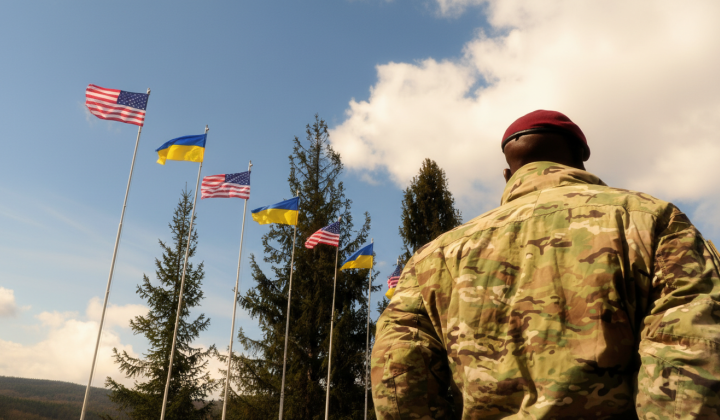
NATO's Crisis and Its Impact on European and Ukrainian Security
According to ХВИЛЯ: The alliance is facing its most severe crisis in 77 years, triggered by the policies of former U.S. President Donald Trump. Ivo Daalder, a former U.S. ambassador to NATO, has declared the core idea of the 1949 treaty to be dead. This has created a profound dilemma for European nations, forcing them to question the reliability of U.S. security guarantees and seriously consider the necessity of building an independent defense capability. This crisis emerges as the security architecture that has underpinned transatlantic relations since the Cold War is being fundamentally challenged.
Support for Ukraine and the Drive for Defense Autonomy
European nations are actively supporting Ukraine, with French President Emmanuel Macron noting that Paris provides two-thirds of the country's intelligence data. Meanwhile, Ukraine's domestic arms production now covers 60% of its military needs, demonstrating its growing self-reliance. The first Franco-Italian SAMP/T NG air defense systems are expected to arrive in Ukraine this year, highlighting the importance of international cooperation in bolstering defense. However, reducing Ukraine's dependence on American aid raises questions about the true cost of such autonomy.
NATO Secretary General Mark Rutte has indicated that achieving genuine self-sufficiency could require European defense spending to rise from 5% to 10% of GDP. This would demand massive investment, including billions of euros to develop an independent nuclear deterrent. Carlo Masala, a professor at the Bundeswehr University in Munich, clarifies that the goal is not to match U.S. military power, but simply to become more capable than Russia. The threat is not just potential abandonment by the U.S., but outright hostility, casting doubt on Europe's ability to act alone.
As the nature of the war evolves, allies are beginning to take the lead in intelligence, further underscoring the need for greater military independence. These factors highlight the complex situation confronting NATO and Europe. The current tensions between the U.S. and its European allies could have long-term consequences for regional security. While Ukraine's growing military self-sufficiency shows its determination to ensure its own defense, it requires immense resources and effort. In a shifting global balance of power, strategic coordination among European nations is crucial to counter potential threats from external actors.

Read also