NATO Alliance Faces Internal Crisis Over U.S. Sanctions Shift and Iran Conflict

Transatlantic Alliance in Crisis
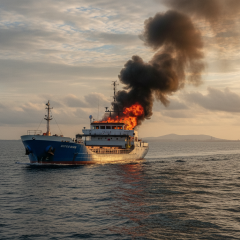
According to ХВИЛЯ: A rift within the transatlantic alliance has been triggered by the U.S. military campaign against Iran and the Trump administration's decision to ease sanctions on Russia. In a critical escalation, Iran has blockaded the Strait of Hormuz, a vital maritime chokepoint between Oman and Iran. This waterway is a conduit for one-fifth of the world's oil supply, a disruption that has sent crude prices soaring above $100 per barrel.
In response to these events, French President Emmanuel Macron called Iranian President Masoud Pezeshkian. Analysts estimate Russia is now earning approximately $150 million per day from the surge in oil prices. Ukrainian President Volodymyr Zelenskyy warned that the sanctions relief could provide Russia with an additional $10 billion. The leaders of the G7 nations convened an emergency meeting to discuss the consequences of these decisions.
Global Leaders Respond
The Trump administration justified its sanctions relief as a technical adjustment. U.S. Treasury Secretary Scott Bessent stated the easing was temporary and would remain in effect until April 11. The U.S. and its allies announced a release of 400 million barrels of oil from strategic reserves. However, British Prime Minister Keir Starmer refused to join the American sanctions decision, and Spain restricted U.S. military access to a key Mediterranean naval base. The European Union formally declared it would not suspend sanctions against Russia.
Amid the turmoil, German politician Friedrich Merz stated,
"We consider the easing of sanctions-for whatever reason-a mistake,"
adding,
"The primary question remains: when will this war end and what strategy will be used to end it? These questions remain unanswered."
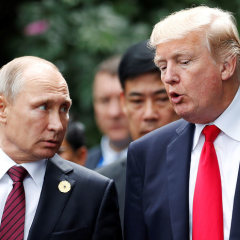
In a pointed remark, U.S. President Donald Trump commented, 'This is no Churchill.'
The crisis, stemming from U.S. actions, threatens NATO unity and raises concerns about future cooperation among member states. The situation remains tense, with the next steps by world leaders being crucial for determining the course of events. This episode underscores the fragile balance between energy security and geopolitical alliances, particularly when key strategic partners diverge on critical policy.
This crisis highlights the complexity of global security and economic relations, particularly in the context of rising oil prices and their impact on national economies. The international community's response to U.S. actions and their consequences for regional stability is crucial. Cooperation among NATO allies could be jeopardized if a path to resolving the conflict and avoiding further escalation is not found soon.

Read also