Cuba Rejects U.S. Talks on Leadership, Focuses on Trade and Financial Claims

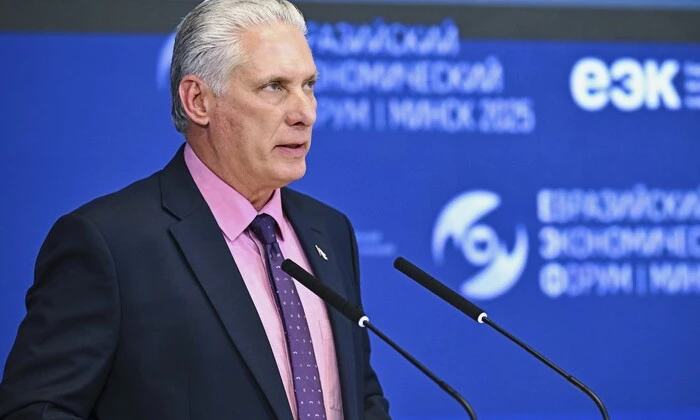
Cuba's Refusal to Discuss Political Change
According to Главком: Cuba has firmly declined to engage with the United States on matters concerning its political leadership or the presidential term of Miguel Díaz-Canel. Cuban Deputy Foreign Minister Carlos Fernández de Cossío emphasized that
"Cuba's political system is not up for negotiation, and certainly, neither the president nor the position of any official is a subject for discussion with the United States"
. He added that
"these are very complex issues... they require dialogue and negotiation"
.
Despite this refusal to discuss political change, Cuba has confirmed that certain negotiations with the U.S. are indeed taking place. The parties may discuss:
- Trade
- Financial claims
The administration of Donald Trump had previously considered options to influence Cuba's political situation, including a potential economic deal with Havana. Such an agreement could have entailed a relaxation of sanctions in exchange for Díaz-Canel's departure from power.
Furthermore, the Trump administration attempted to persuade Miguel Díaz-Canel to voluntarily leave his post. Donald Trump stated he was considering an option for Cuba to come under U.S. control. Meanwhile, Miguel Díaz-Canel issued a statement warning Washington of the Cuban people's readiness to resist any aggression. This historical tension between the two nations, stemming from the Cold War era, continues to shape the diplomatic landscape. Thus, the situation remains tense, and future talks between the two sides could significantly impact Cuba-U.S. relations.
Sovereignty and Economic Negotiations
Cuba's refusal to discuss changes in its government underscores Havana's clear stance on sovereignty and political independence. At the same time, the continuation of talks on economic issues may indicate a potential for compromise in other areas, despite the political disagreements. For the United States, it is important to find a balance between pressuring the Cuban government and pursuing a normalization of relations, which could substantially affect regional stability and the economic prospects of both countries.
The current refusal of Cuba to engage in discussions about its political leadership highlights a broader context of U.S.-Cuba relations. This stance is particularly significant given the previous efforts by the Trump administration to influence leadership changes on the island, which included contemplating U.S. control over Cuba. Understanding these historical dynamics can provide deeper insights into the ongoing tensions and negotiations between the two nations.

Read also