Iran Braces for Potential Kurdish Incursion from Iraq, Backed by US and Israel

Developments in Iraqi Kurdistan
According to ХВИЛЯ: According to a report in The Atlantic, thousands of Kurdish militants in Iraqi Kurdistan are preparing for a potential ground incursion into Iranian territory, with support from the United States and Israel. The operation is reportedly being coordinated by the Democratic Party of Iranian Kurdistan (PDKI). This activity coincides with the recent unification of five Iranian Kurdish political parties into the Coalition of Political Forces of Iranian Kurdistan, signaling a rise in political mobilization among Kurdish groups in the region. The Kurdish population in Iran, a significant ethnic minority, has long sought greater autonomy.
The PDKI, which is a consultative member of the Socialist International, is leading the planning. Its leader, Mustafa Hijri, recently held a telephone conversation with former U.S. President Donald Trump. The Komala Party of Iranian Kurdistan has also joined the coalition as its sixth member, and like the PDKI, it holds consultative status within the Socialist International.
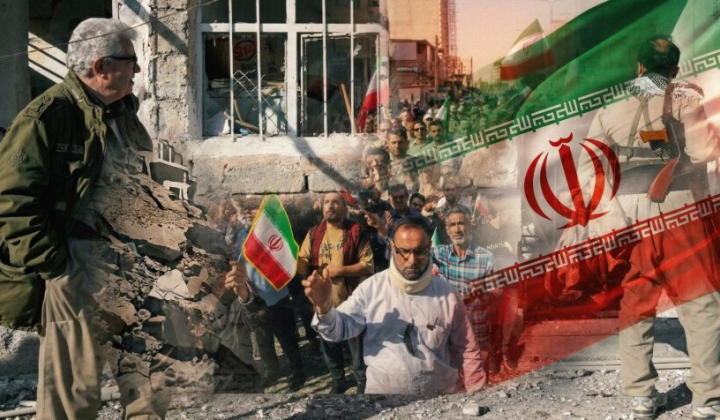
In response to this heightened activity, Iranian security forces, particularly the Islamic Revolutionary Guard Corps (IRGC), have conducted strikes against bases in Iraqi Kurdistan. Yesterday, the IRGC carried out attacks involving 230 combat drones. Today, authorities have requested the evacuation of residents from the city of Marivan, which has a population of 200,000. Separately, a senior Iraqi Kurdish official has declared the region's neutrality in the conflict.
Political Repercussions and Expert Analysis
The situation has raised significant concerns among regional analysts. Behnam Ben Taleblu warned that
"supporting an armed ethnic insurgency in Iran would be the greatest strategic, moral, and political mistake."
Similarly, Amir Hossein Ganjbaksh cautioned that
"the U.S. and Israel would be making their biggest mistake if they implement this plan."
It is noteworthy that in 2012, the U.S. State Department removed the Mujahedin-e Khalq (MEK) from its list of foreign terrorist organizations. Iran's population is approximately 90 million, about 90% of whom are Shia Muslims. In a related development last December, the Baluch militant group Jaish al-Adl established a political wing called the Front of Popular Combatants, further indicating a trend of militant groups in the region forming political structures.
The escalating situation highlights the potential for a serious regional confrontation. U.S. and Israeli backing for Kurdish militants could introduce new geopolitical tensions and impact stability within Iran, where the Shia majority and ethnic minorities like the Kurds could become focal points of conflict. The Iranian government's military response will likely be a decisive factor in shaping the course of events.

Read also