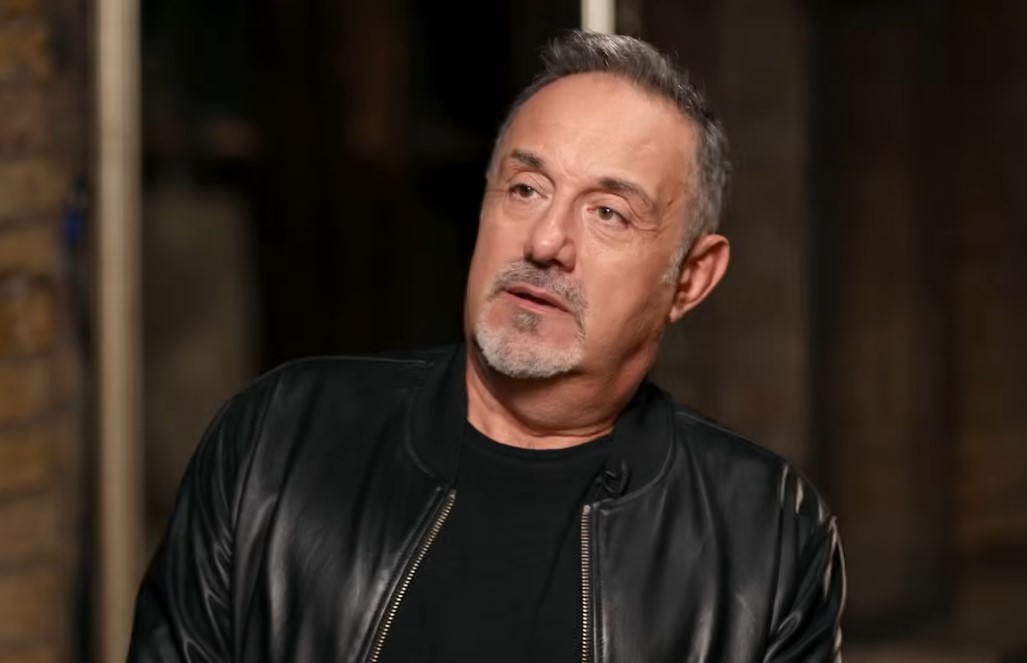
Epolets Frontman Calls X-Factor Appearance a Catastrophic Misstep

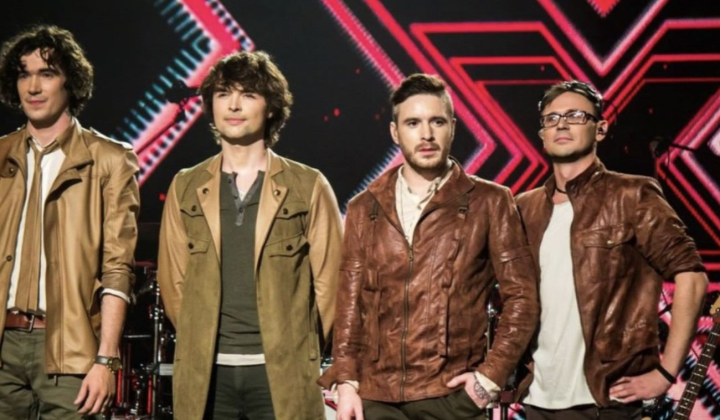
Pavlo Varenytsia Reflects on the Band's X-Factor Experience
According to РБК-Україна — Lite: In 2014, the Ukrainian band Epolets faced a tough decision. Struggling financially and lacking concert opportunities, they agreed to join the sixth season of the talent show X-Factor. Now, frontman Pavlo Varenytsia looks back on that choice with regret, describing it as a fatal error that fractured the group. He explains that the show's unfavorable terms, accepted out of desperation, sparked internal conflicts among members.
Country's Turmoil and the Show's Aftermath
Ukraine was in crisis in 2014, with widespread economic hardship and a sharp decline in live music events. Varenytsia recalled:
“It was 2014, people had very little money, and our concert situation deteriorated badly” – Pavlo Varenytsia.
The band had just released what he called their 'strongest album,' yet they had no means to tour, no funds, and no clear prospects.
Although 2015 unexpectedly brought a surge of festival invitations, the decision to appear on X-Factor had already been made.
“2015 suddenly hit us with a huge number of festivals, but we had already decided to go there before that” – Pavlo Varenytsia.
Following their television appearance, tensions erupted within the group. Each member began to feel they could succeed independently, valuing their individual potential over the collective. “Everyone realized they could do something alone. And as a separate unit, they considered themselves far more important than the group itself,” he emphasized.
Despite his negative experience with X-Factor, Varenytsia speaks favorably about Ukraine's National Selection for Eurovision. He believes participation in such contests should be a one-time opportunity, stating: “The only rule should be that you can take part only once.” He also suggested that more frequent, sponsor-backed competitions could invigorate the music scene. “If we had more contests like this, sponsored by someone, that would be really cool, because it would motivate people, musicians,” he concluded.
Varenytsia's remarks highlight the difficult choices musicians face under financial pressure and how talent competitions can disrupt group dynamics. The conflicts that emerged after X-Factor show how such shows can shift priorities within a band. At the same time, his approval of the Eurovision National Selection suggests that well-structured, sponsor-supported contests can benefit the Ukrainian music industry when designed thoughtfully.
As the music landscape continues to evolve, the implications of competition in talent shows like X-Factor are becoming increasingly apparent. This is especially relevant in light of recent plagiarism allegations surrounding Eurovision, where the pressures of originality and identity are at the forefront. Such controversies highlight the delicate balance artists must navigate between individual ambition and group dynamics, a challenge that Epolets faced after their own tumultuous experience on the show.

Read also