Only One in Four Employees Feels Valued: 32 Benefits That Can Fix This

Modern Strategies for Employee Benefits
According to Achievers: In today's competitive job market, effective employee benefits are crucial for attracting and retaining talent. According to the Achievers Workforce Institute's '2026 Engagement and Retention Report', only about one in four workers feels engaged, and just one in four feels genuinely valued at work. This highlights a critical need for companies to rethink their people management strategies. The AWI study reveals that employees who feel truly valued are 12 times more likely to find their work meaningful and 17 times more likely to see a long-term future with their organization.
Distinguishing Between Benefits and Perks
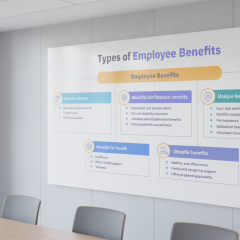
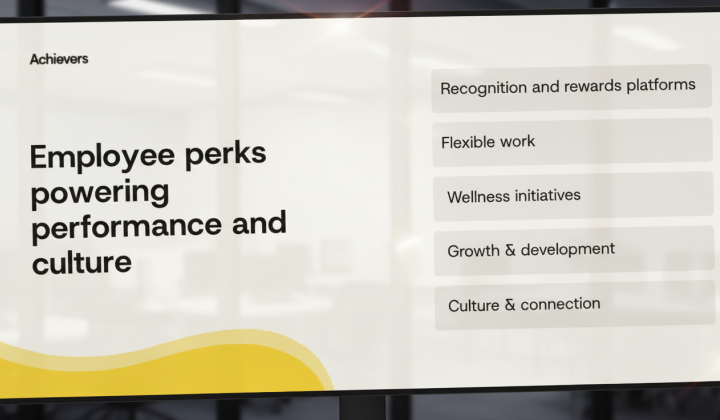
It's essential for modern businesses to understand the distinction between core benefits and supplementary perks. Benefits encompass a wide range of programs designed to improve the work environment and boost employee satisfaction. The most effective perks for employees can be grouped into several key categories, including:
- Points-based recognition programs
- Peer-to-peer recognition
- Instant rewards from managers
- Flexible work schedules
- Hybrid or remote work options
- Benefits navigation services
- Scholarships for learning and development
- Internal mobility opportunities
- Employee Resource Groups (ERGs)
- Experiential and lifestyle rewards
In total, 32 perks that enhance culture and productivity are organized into these categories: Recognition & Rewards (8 items), Flexibility & Work-Life Balance (7 items), Supplementary Perks (6 items), Growth & Development (6 items), and Culture & Connection (5 items).
The hallmarks of top-tier perk programs also deserve attention. These include a clear purpose, leadership involvement, fairness and inclusivity, ease of use, and data-driven improvements. To effectively track the performance of these perks, key metrics must be considered, such as perk utilization rates, employee Net Promoter Score (NPS) for rewards and benefits, and participation levels by team or role. However, common mistakes can undermine their effectiveness, such as:
- Treating perks as annual events rather than daily signals of appreciation
- Designing perks only for office-based staff
- Offering one-size-fits-all rewards
- Prioritizing cost savings over perceived value for employees
In summary, modern employee benefits play a vital role in building a productive and satisfied workforce. Implementation strategies must account for employee needs and actively promote higher engagement and loyalty. For many companies, this shift is a necessary investment, not an optional expense.
Tailoring benefits to employee needs has become a prerequisite for business success. In an era of globalization and intense competition for talent, organizations that focus on developing a culture of recognition and support achieve better results in attracting and retaining skilled workers. Evolving approaches to perks can be a significant factor in strengthening corporate culture and boosting overall productivity, making them a strategic priority for forward-thinking leaders.
As organizations strive to enhance employee satisfaction, understanding the significance of benefits becomes paramount. The upcoming Employee Benefits Day 2026 will highlight how strategic benefits can play a vital role in retaining staff and fostering a supportive workplace culture. Exploring this connection can provide valuable insights for businesses aiming to improve their employee engagement strategies.

Read also