New Security Pact Signed by London and Warsaw

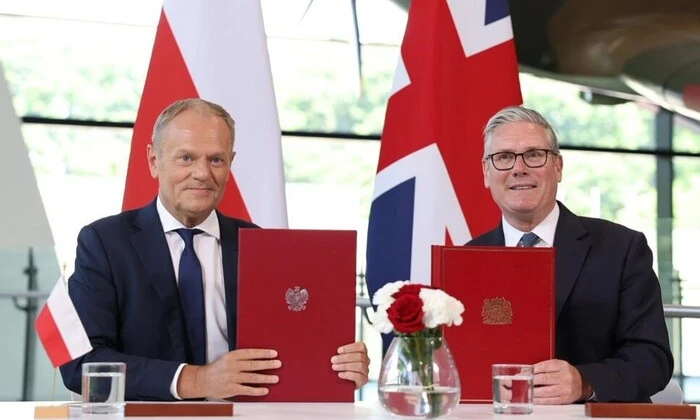
Landmark Security Agreement Between the UK and Poland
According to Главком: British Prime Minister Keir Starmer and Polish Prime Minister Donald Tusk have formalized a new security agreement during their meeting in London. The pact expands military cooperation, advances air defense systems, and establishes joint efforts to counter cyberattacks. Additionally, it includes measures to strengthen border protection, combat organized crime, and deepen defense collaboration with the European Union.
Core Components of the Deal
The treaty is primarily designed to address modern threats, with both nations identifying Russia as a strategic danger. Tusk emphasized that Warsaw and London view Russian activities as a key concern. The parties plan to tackle:
- rising hybrid attacks
- cyber threats
- espionage incidents
Security remains a central focus in this context.
A dedicated section of the agreement addresses cybersecurity. Poland considers itself a primary target for Russian cyberattacks, disinformation, and intelligence operations. The UK highlighted that the pact will combine industrial and technological resources to develop next-generation weaponry.
This move aligns with broader efforts, coinciding with U.S. President Donald Trump's calls for European nations to take a more active role in continental security. The UK has previously signed similar agreements with France and Germany, underscoring the growing significance of international security cooperation.
Warsaw has also inked a defense treaty with France, set to take effect in 2025, and is working on a comparable deal with Germany. Polish Foreign Minister Radosław Sikorski noted:
'Russia is currently unable to launch a large-scale offensive against NATO countries, which may indicate a degree of stability in the region at this time.'
The new London-Warsaw pact highlights the importance of collective security amid rising Russian threats and demonstrates Poland and the UK's commitment to bolstering their defense capabilities. Given the intensification of military actions and hybrid threats across Europe, such cooperation could prove vital for ensuring regional stability and security.
As security dynamics evolve in Eastern Europe, Ukraine's decision to send military advisors to Latvia further emphasizes the region's commitment to collaborative defense efforts. This move aligns with the recent agreement between the UK and Poland, highlighting a collective approach to countering threats from Russia and enhancing military readiness among NATO allies.

Read also