Lukashenko appoints scholarship to his son Nikolai: how much will students receive

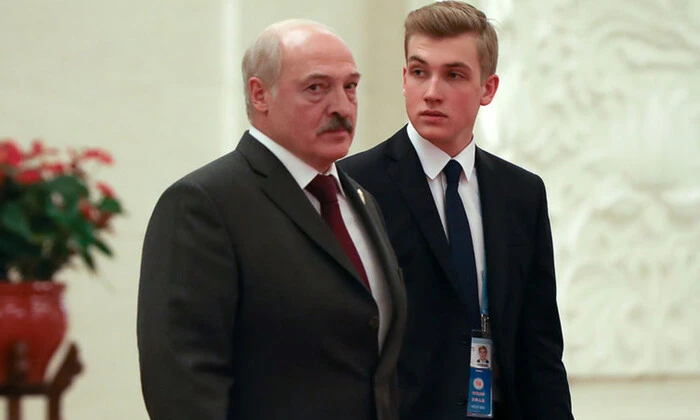
Appointment of Scholarship for Nikolai Lukashenko
According to Главком: Alexander Lukashenko signed an order to appoint a scholarship for his son Nikolai, as well as approximately 200 gifted students. The scholarship will amount to 251.99 Belarusian rubles per month. The payment of the scholarship is planned for the first semester.
Nikolai Lukashenko is a fourth-year student at the Belarusian State University. This decision became known on December 31, 2025, when the relevant order was signed. In total, around 200 students can expect to receive scholarships, indicating the state’s efforts to support gifted youth.
Scholarships in Ukraine and their comparison
It is worth noting that on December 8, 2025, the state budget for 2026 was published in Ukraine, which allocated 6.6 billion UAH for the payment of academic and named scholarships. It is expected that starting from September 1, 2026, scholarships in Ukraine will be increased, and the amount of funds for scholarships in Ukraine will be 1.2 billion UAH greater than in 2025. However, these figures are not directly related to the scholarship appointed by Lukashenko.
Thus, the appointment of the scholarship for Nikolai Lukashenko has attracted attention in the context of supporting students in Belarus, while changes in the scholarship system are ongoing in Ukraine.
This decision by Lukashenko may be perceived as an attempt to emphasize the state's attention to youth and education, although it also raises discussions about the political motives behind such an appointment.
Source: unknown
Furthermore, against the backdrop of changes in the scholarship system in Ukraine, these events may indicate different approaches to supporting students in both countries. It is important to note that both scholarship systems operate within different socio-economic contexts, which affects their effectiveness and accessibility for students.

Read also